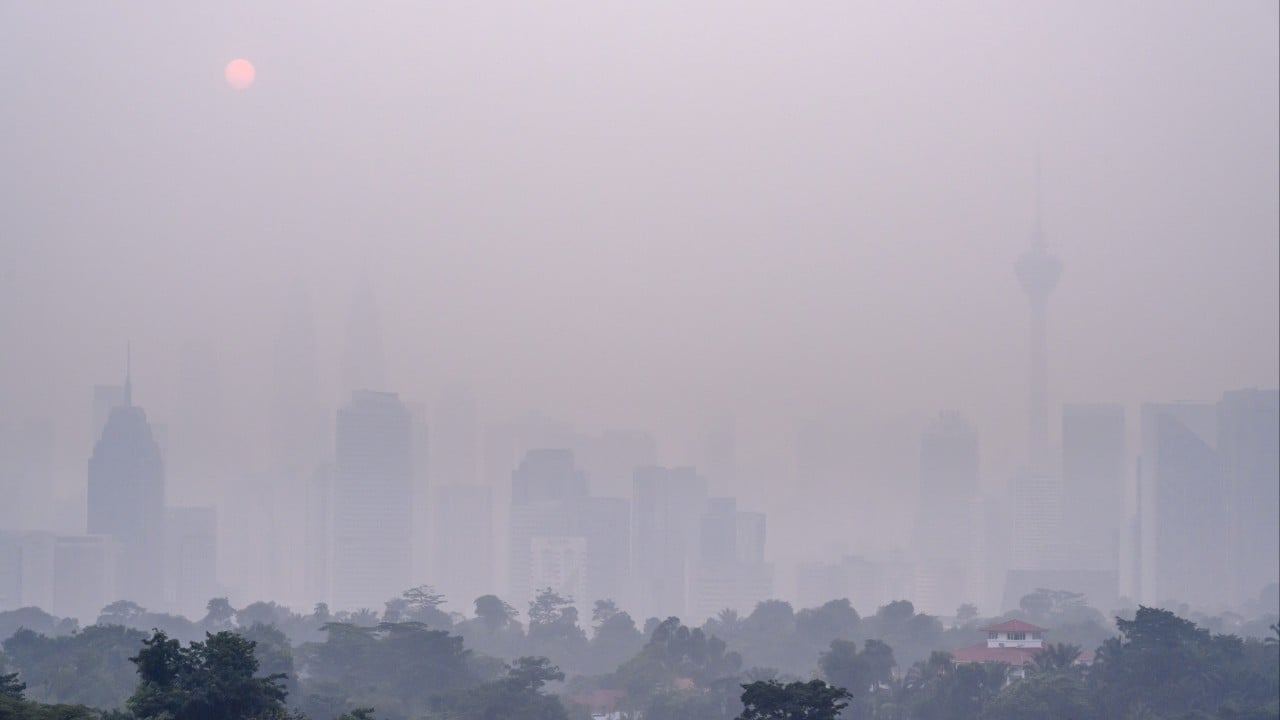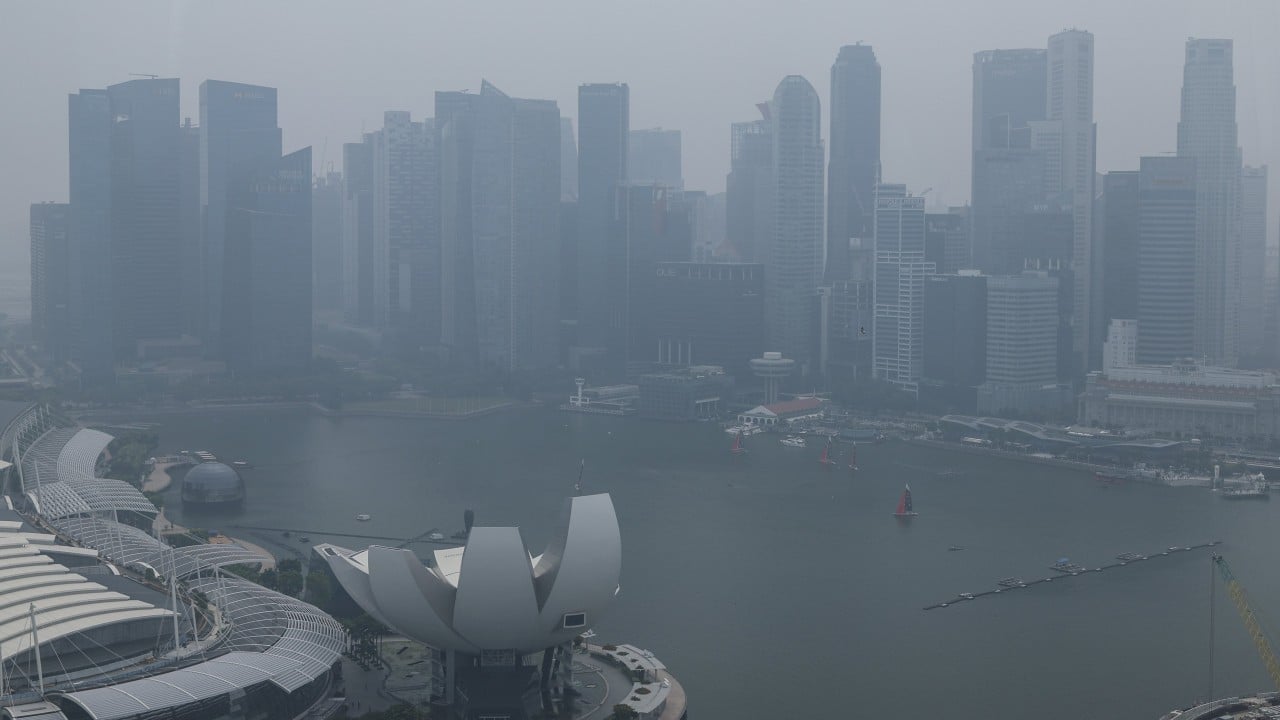
Transboundary particulate pollution operates as an acute macroeconomic and public health shock, testing the fiscal resilience and clinical logistics of densely populated urban city-states. When regional biomass combustion elevates fine particulate matter concentrations into hazardous thresholds, governance structures face a dual optimization problem: mitigating immediate systemic morbidity while preventing workforce absenteeism from destabilizing economic output.
The activation of targeted fiscal interventions, such as Singapore's Haze Subsidy Scheme, provides a practical framework for examining how public health systems absorb acute exogenous shocks through primary care networks.
The Etiology of Regional Particulate Shocks
Atmospheric degradation during seasonal burning cycles is governed by a predictable vector matrix: prolonged regional dry conditions, El Niño-driven climatic anomalies, and prevailing low-level wind trajectories that transport combustion byproducts across maritime boundaries. The primary pollutant of concern, fine particulate matter measuring 2.5 micrometers or less in diameter, bypasses the upper respiratory tract's natural filtration defenses, penetrating deep into the pulmonary alveoli and entering the systemic circulation.
This particulate infiltration triggers a cascade of systemic physiological consequences:
- Acute exacerbations of chronic obstructive pulmonary disease and asthma
- Increased incidence of upper respiratory tract infections and allergic rhinitis
- Systemic endothelial dysfunction and heightened cardiovascular morbidity
The economic cost function during these episodes is split between direct medical expenditures—driven by primary care utilization and pharmaceutical consumption—and indirect losses stemming from diminished labor productivity, canceled outdoor commercial activities, and constrained tourism logistics.
The Primary Care Transmission Mechanism
When air quality indices transition into unhealthy or hazardous bands, outpatient clinics experience a rapid surge in patient volume. Without state intervention, out-of-pocket pricing friction creates an adverse selection problem: economically vulnerable populations delay seeking clinical treatment, leading to acute exacerbations that ultimately require intensive, high-cost secondary care in emergency departments.
To optimize healthcare resource allocation, the state deploys a decentralized primary care buffering strategy. By leveraging Public Health Preparedness Clinics alongside national polyclinics, health authorities expand diagnostic and therapeutic capacity across the island.
The operational mechanics of this subsidy model rest on three structural pillars:
- Tiered Co-Payment Caps: Out-of-pocket expenditures for eligible citizens are capped based on socioeconomic status and age brackets, eliminating cost as a barrier to early medical intervention.
- Formulary Restriction: Subsidies target specific clinical conditions directly exacerbated by particulate exposure—such as acute bronchitis, conjunctivitis, and severe upper respiratory inflammation—preventing resource leakage into unrelated health expenditures.
- Temporal Elasticity: The framework is designed for rapid activation and deactivation, aligning fiscal outlays precisely with the lifecycle of the meteorological pollution event.
Systemic Limitations and Policy Bottlenecks
While targeted subsidization effectively cushions the domestic population against immediate health shocks, it remains fundamentally reactive. Subsidies address the downstream symptoms of regional agricultural and forestry practices without altering upstream combustion incentives.
Furthermore, outpatient administrative workflows face operational bottlenecks during peak surges. Verifying eligibility tiers across disparate assistance cards introduces friction at the clinic reception interface, occasionally delaying rapid triage for elderly cohorts who face the highest risk of hospitalization.
Strategic Allocation of Resources
To minimize systemic vulnerability during recurring particulate crises, urban planning and health administration must coordinate around three operational directives:
- Institutionalize automated electronic verification for subsidy eligibility to eliminate front-desk delays during high-volume surges.
- Expand indoor air filtration mandates and centralized mechanical ventilation standards for public commercial and educational infrastructure to reduce cumulative exposure.
- Maintain a strict clinical audit trail on pharmaceutical distribution within primary care networks to optimize stockpiles of bronchodilators and anti-inflammatory therapies ahead of seasonal dry spells.
Haze chokes Singapore as city tops global pollution rankings ahead of F1
This video provides an on-the-ground visual and analytical breakdown of how acute particulate pollution surges impact major metropolitan events and regional air quality standings.