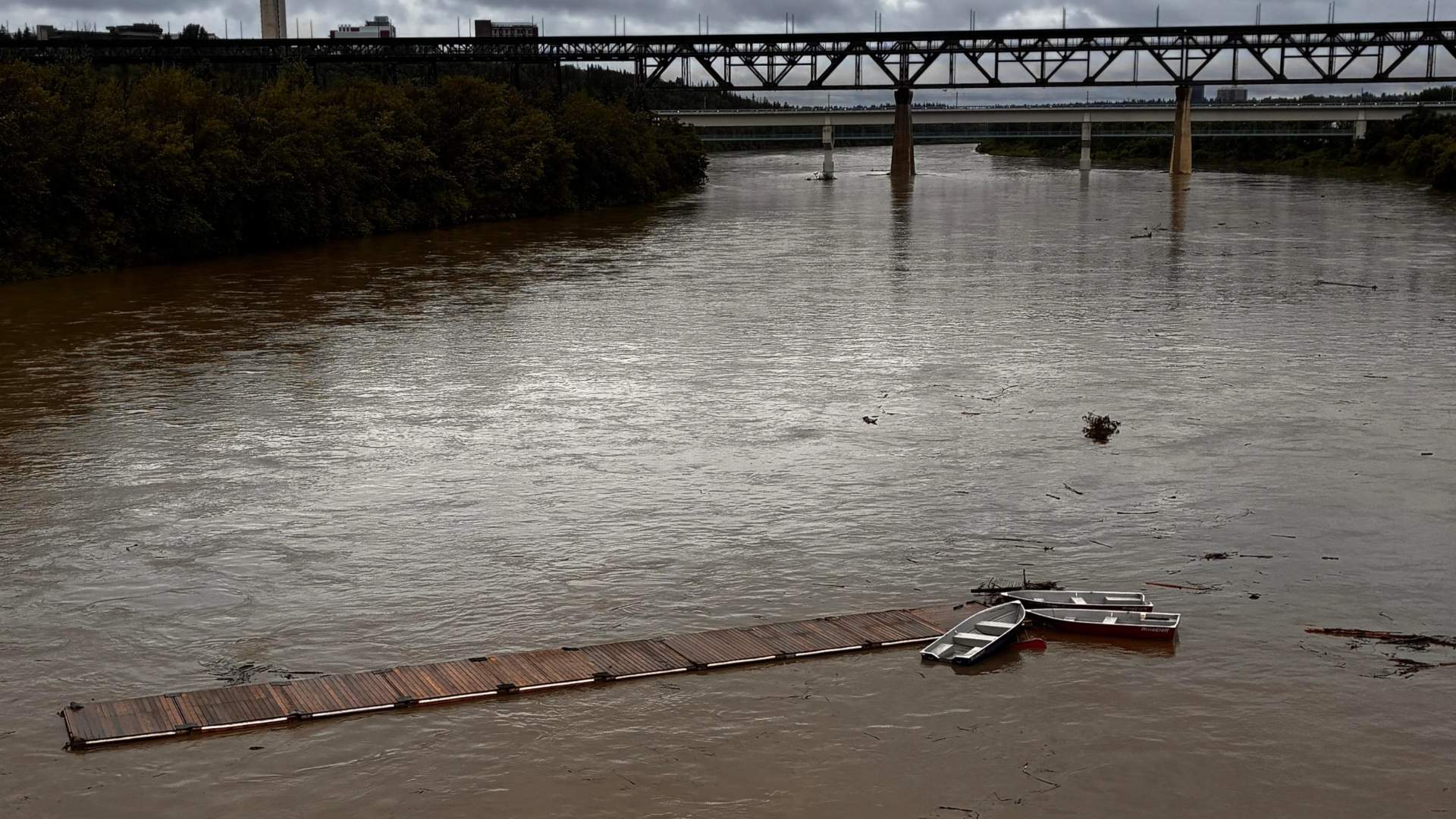
Nature does not care about your property lines. When heavy rainfall hits Edmonton, the North Saskatchewan River transforms from a scenic backdrop into a raging torrent capable of tearing apart solid infrastructure. We saw this reality clearly when an entire dock, with multiple boats still securely attached to it, ripped free from its moorings and floated down the river.
People look at a massive dock and think it is permanent. It is not.
When upstream precipitation swells the river basin, the water level rises fast. The current accelerates to dangerous speeds. If you own watercraft or manage a dock along the Edmonton river valley, you cannot rely on standard anchoring methods. Nature wins every single time you underestimate the force of moving water.
The Reality of the North Saskatchewan River Current
The North Saskatchewan River is deceptive. On a calm summer afternoon, it looks lazy. Do not let that fool you. The river flows through a vast drainage basin, meaning heavy rainfall miles away in the mountains or foothills can cause a sudden, dramatic surge in Edmonton hours later.
Water weight is immense. A single cubic meter of water weighs exactly one metric ton. When millions of these tons move at high speeds, they act like a liquid bulldozer.
When debris like logs and branches get caught under a floating structure, they create a sail effect. The river pushes against the debris, multiplying the strain on your chains and anchors. Most retail-grade anchoring systems fail under this specific type of pressure. They simply are not designed for the hydrodynamic drag generated during major weather events.
Why Standard Boat Docks Fail in Flash Floods
Most people make the mistake of anchoring their docks for average conditions rather than extreme events. That is a recipe for disaster.
- Insufficient cable slack prevents the dock from rising with the water level, causing the river to pull the anchor right out of the riverbed.
- Undersized ground anchors slip easily when the riverbank soil becomes completely saturated and turns into mud.
- Weak connection points between the dock sections shear off under the twisting forces of turbulent water.
If your dock is held in place by standard earth augers screwed into soft river silt, it will wash away during a severe storm. Saturated soil loses its gripping strength. Once the anchor loses its hold, the entire structure becomes a floating hazard.
What to Do Before the Next Storm Hits
You need a clear plan before the sky turns gray. Waiting until the river starts rising to secure your boat is a guaranteed way to get injured or lose your investment.
Check the Flow Rate Data Regularly
The City of Edmonton and the provincial government track river flow rates continuously. Pay attention to these numbers. When flow rates exceed normal summer averages, it is time to take action. Do not wait for an official evacuation or flood warning.
Secure Small Watercraft on High Ground
If you have kayaks, canoes, or small motorized boats, pull them completely out of the water. Do not leave them tied to a floating dock. Haul them up the bank past the high-water mark and tie them to deeply rooted trees or permanent land structures.
Upgrade to Heavy Duty Anchor Systems
Lightweight chains will snap like twigs under tension. Use heavy-duty, hot-dipped galvanized steel chains rated for industrial loads. Your shore winches should be anchored into solid concrete pads poured well back from the unstable riverbank edge.
The Logistics of Recovering a Runaway Dock
What happens if the worst occurs and your property floats away? You cannot just hop in a small boat and chase it down.
Navigating a swollen river filled with hidden debris is incredibly dangerous. Runaway docks can weigh several tons, especially with boats attached. They turn into battering rams that can destroy bridge pillars, damage water intake facilities, or crush other boats downstream.
Report the loss immediately to emergency services and the authorities managing river safety. Let professional recovery teams handle the situation. Trying to salvage a heavy floating structure in a fast current without commercial-grade tugs or salvage equipment is a life-threatening mistake.
Property can be replaced. Your life cannot. Take the river seriously, respect the power of heavy rainfall, and build your shore infrastructure to survive the absolute worst-case scenario. Check your insurance policy today to see if it even covers river-related structural losses, because many standard policies exclude flood and current damage entirely. Get those details sorted before the next big storm rolls through Alberta.