Football clubs are basically massive tech startups nowadays, and billionaires from Silicon Valley know it. Eduardo Saverin, one of the co-founders of Facebook, has reportedly been approached to join a high-powered consortium trying to purchase a substantial minority stake in Liverpool Football Club.
When people think of sports ownership, they usually picture old-school local magnates or oil states. But elite soccer has transformed into a hyper-global media asset. Saverin's potential involvement points to a deeper shift in how football business operates. Let's break down why this move makes total sense and what it means for the future of Anfield.
The Silicon Valley Playbook Meets English Football
Tech wealth doesn't just buy assets for vanity anymore. Modern investors look at clubs like Liverpool and see vast, untapped monetization networks.
Look at what Ryan Reynolds and Rob McElhenney pulled off at Wrexham. They proved that digital storytelling, global streaming reach, and American marketing techniques can supercharge a club's value. Saverin brings a different scale entirely. Based in Singapore and sitting on a massive net worth tied to tech ventures, his network spans Asian markets where Liverpool already commands millions of devoted fans.
Football clubs are no longer local community projects run by wealthy industrialists. They are international entertainment franchises. Buying a minority stake in a Premier League titan gives investors access to broadcast rights, global merchandise sales, and digital ecosystem expansion that traditional businesses simply cannot match.
Why Target Liverpool FC Right Now
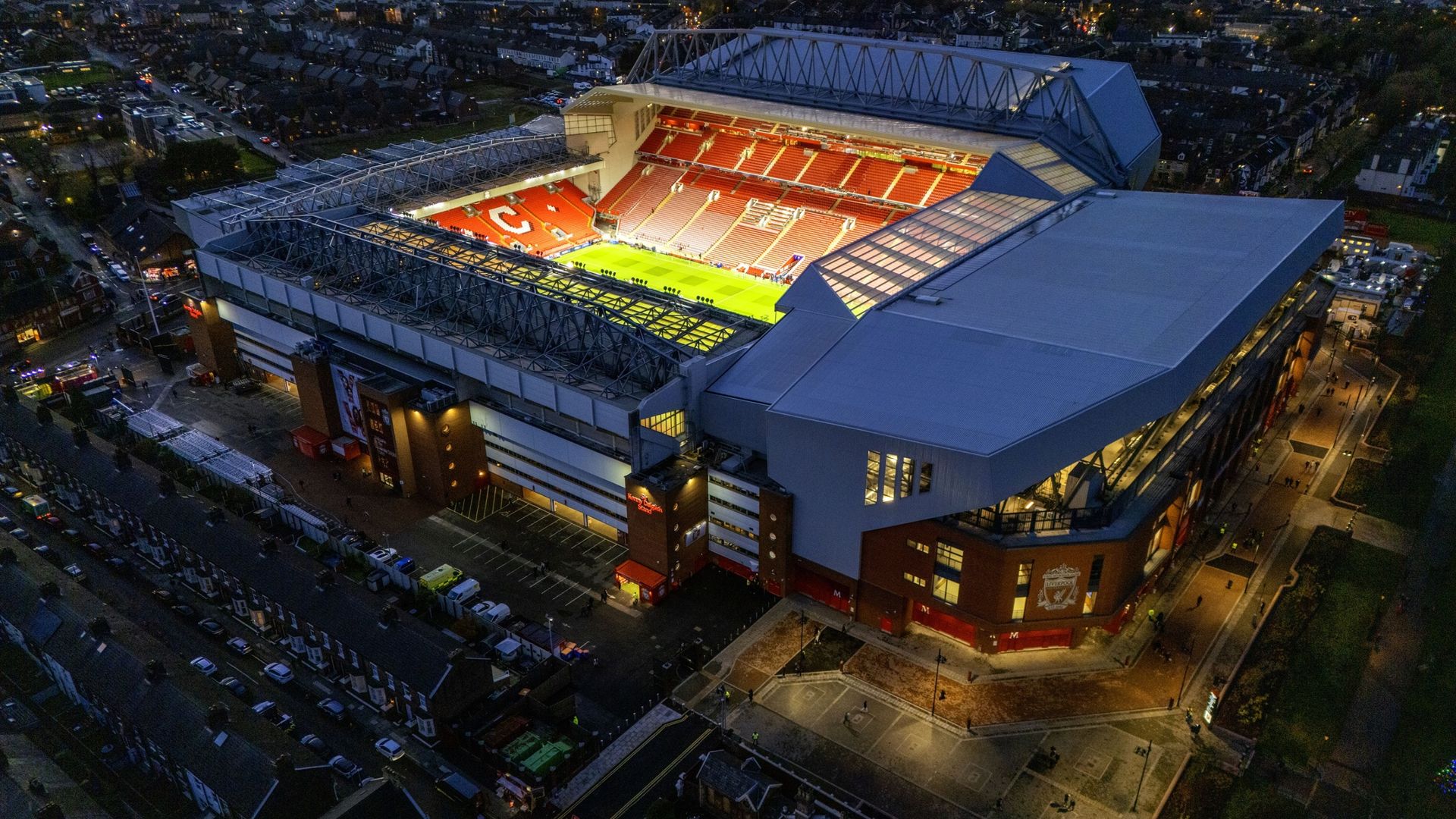
Fenway Sports Group has mastered the art of running Liverpool with financial discipline. Unlike clubs that rely on endless cash injections from single owners, Liverpool operates on a sustainable model. They generate massive commercial revenue, build out infrastructure like the Anfield Road Stand expansion, and rely heavily on data analytics for player recruitment.
That exact philosophy appeals to tech billionaires. Saverin isn't someone who drops cash blindly. He invests where algorithms, data infrastructure, and global scaling intersect. If a consortium brings him on board, they aren't just buying a seat in the director's box. They are buying into a data-driven sporting machine.
There is also the broader financial landscape of the Premier League to consider. With new financial regulations, squad cost ratios, and tighter governance rules coming into play, clubs need sophisticated financial backers. Owners need deep pockets to navigate transfer windows without violating profit and sustainability rules. Bringing in ultra-wealthy minority partners provides the necessary cushion without destabilizing club operations.
What Happens Next Behind Closed Doors
Consortium talks move slowly until they suddenly accelerate. Right now, intermediaries are sounding out investors to gauge appetite, valuation limits, and governance rights. A minority stake doesn't mean taking over the club completely, but it does mean securing influence over commercial strategy and international expansion.
If Saverin agrees to put his capital behind this bid, expect Liverpool's digital footprint in Asia to explode. We could see localized app integrations, massive regional partnerships, and digital fan engagement models that blur the line between social media and matchday fandom.
Football business is changing fast, and the billionaires backing the next era won't just be traditional tycoons. They will be the architects of the digital age. Keep your eyes on how these consortium talks develop over the coming weeks.