Every single major media outlet bought the narrative hook, line, and sinker.
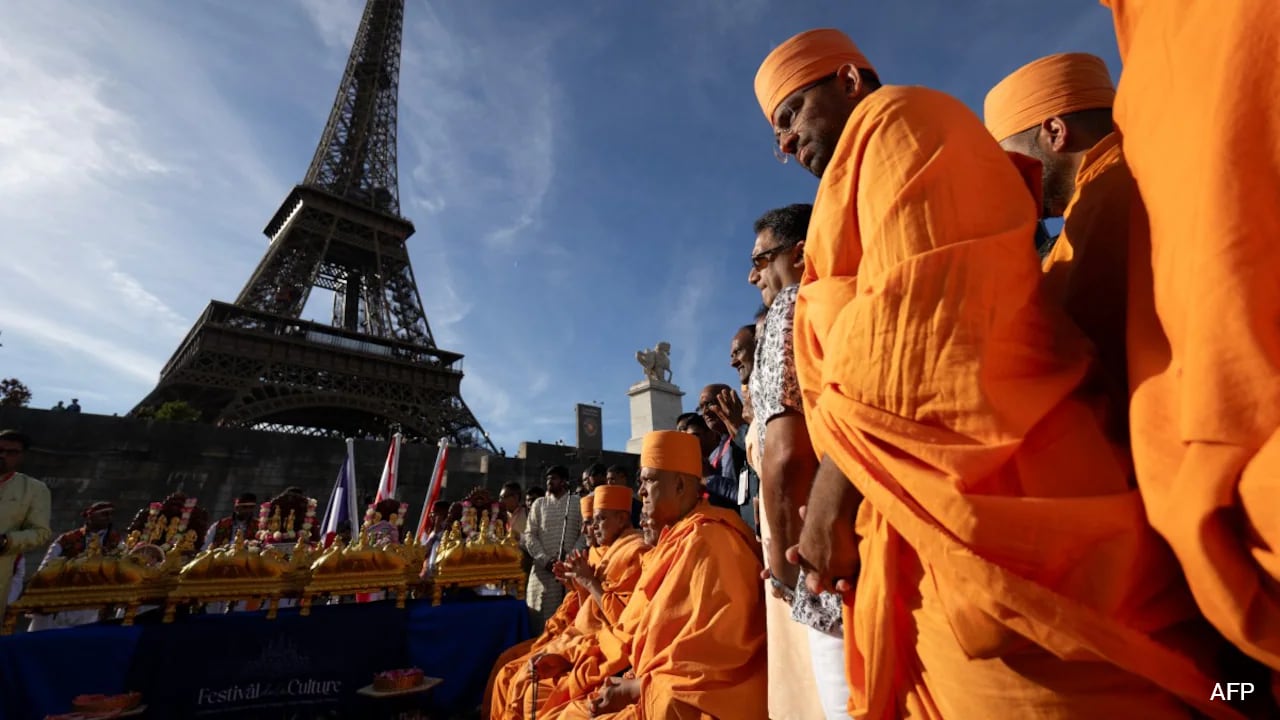
The lazy consensus floating across every feed claimed that a localized cultural dispute shut down the globe's most iconic iron lattice, forcing emergency apologies, gender politics negotiations, and a scramble to save international tourism optics. Headlines screamed about offended staff, religious fractions, and corporate humiliation. It makes for fantastic clickbait. It provides a neat little dopamine hit for culture-war junkies on both sides of the aisle. Discover more on a connected topic: this related article.
It is also an absolute masterclass in missing the forest for a single, rotting twig.
I have spent the better part of two decades watching high-stakes operational crises unfold behind velvet ropes in Paris, London, and New York. I have seen billion-dollar assets weaponize public relations maneuvers to mask structural rot, union gridlock, and administrative incompetence. When the Eiffel Tower supposedly grinds to a halt over staffing controversies, the amateur observer looks at the surface theater. The seasoned insider looks at the balance sheet, the maintenance backlog, and the sheer desperation of management needing a distraction. More reporting by The Guardian highlights comparable perspectives on the subject.
Let us dismantle the core premise right now. The Eiffel Tower did not close because of an apology or a sudden crisis of conscience in the executive suite. It closed because the underlying operational model of managing three-story tourist traps in the twenty-first century is completely fractured, and public outrage is the cheapest insurance policy management can buy.
The Economics of Manufactured Chaos
Look at the numbers nobody wants to publish. Operating a monument that pulls in seven million visitors a year requires an army of staff, endless painting cycles, elevator overhauls that cost millions in specialty engineering, and a unionized workforce that knows it holds a loaded gun to the city's tourism throat every time contract talks stall.
When structural repairs are delayed, when elevator cables are past their prime operating window, or when municipal budgets are bleeding dry, what does management do? They pray for a distraction.
Imagine a scenario where a routine labor dispute or safety hazard threatens to expose months of administrative negligence. If you simply announce that the tower is closed because the budget is mismanaged or the infrastructure is crumbling under tourist congestion, you invite government audits, shareholder panic, and board-level firings. But if you frame the closure around a cultural clash, an apology, and staff representation drama, you instantly shift the battlefield.
Suddenly, the public stops talking about the crumbling paint, the rusted rivets, and the millions lost in ticket revenue. Instead, they argue endlessly on social media about etiquette, diversity policies, and corporate contrition.
It is brilliant. It is cynical. And most importantly, it works every single time.
Decoding the Real Operational Bottlenecks
Let us get specific about how these massive cultural landmarks actually function behind the scenes. The narrative pushed by mainstream outlets paints a picture of a streamlined corporate machine brought to its knees by an ideological flashpoint.
The reality is far more mundane and infinitely more dysfunctional.
- Deferred Maintenance Crises: The Eiffel Tower requires complete repainting every seven years. It has missed those cycles repeatedly. Layers of old lead-based paint are peeling off beneath newer coats because scraping it down to the iron is an environmental and financial nightmare.
- Unionized Leverage: The Société d'Exploitation de la Tour Eiffel faces perpetual friction between municipal oversight and private-ish operational entities. Strikes are practically a Parisian seasonal tradition.
- The Scapegoat Cycle: When internal factions cannot agree on wage structures or safety protocols, management looks for external friction points to unify the workforce against a common lightning rod, or alternatively, uses a temporary shutdown to reset a toxic negotiation table.
When you understand these mechanical realities, the breathless reporting about religious groups demanding apologies and staff being removed starts to look like what it truly is: a smokescreen. The apology was a prop. The reopening was choreographed before the press release even hit the wire.
The Cost of Swallowing the Headline
Why does any of this matter beyond the media circus? Because every hour spent debating the theatrical drama of a monument closure is an hour wasted on the real structural failures plaguing global travel infrastructure.
We are watching historic landmarks buckle under the weight of hyper-tourism while management teams rely on seventeenth-century PR tactics to deflect blame. Travelers buy tickets months in advance, fly across oceans, and find themselves locked out because an administrative board would rather manufacture a culture-war crisis than admit their logistics are broken.
I have watched companies blow millions on crisis communication firms whose sole job is to invent shiny objects for the press corps while the foundation rots beneath their feet. They spend fortunes on reputation management because fixing the actual infrastructure is hard, expensive, and unglamorous.
Stop reading the gossip columns disguised as news. Stop treating corporate theater as a referendum on civilization. The next time a major global attraction shuts its doors over a bizarre, highly cinematic controversy, ask yourself a simple question: what are they trying to distract you from not seeing?
The iron doesn't care about your outrage. It is just rusting in the rain, waiting for someone brave enough to fix the bolts instead of writing a press release.