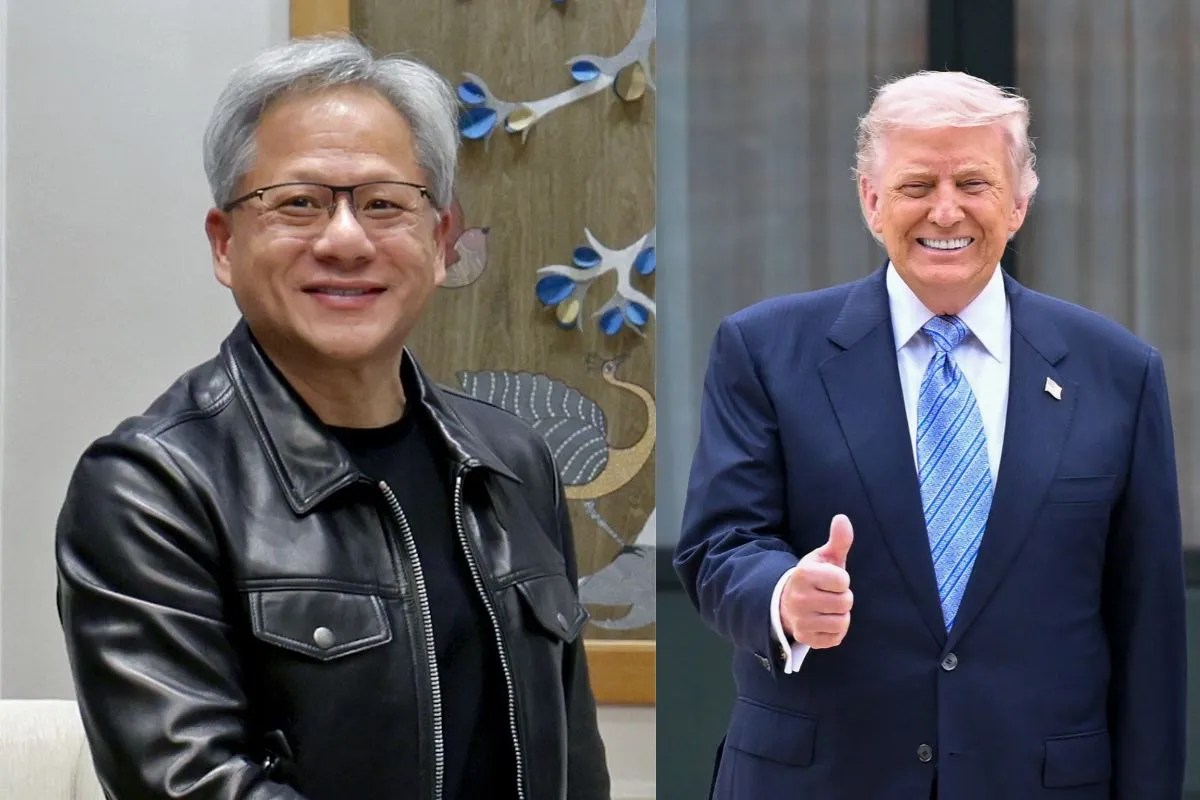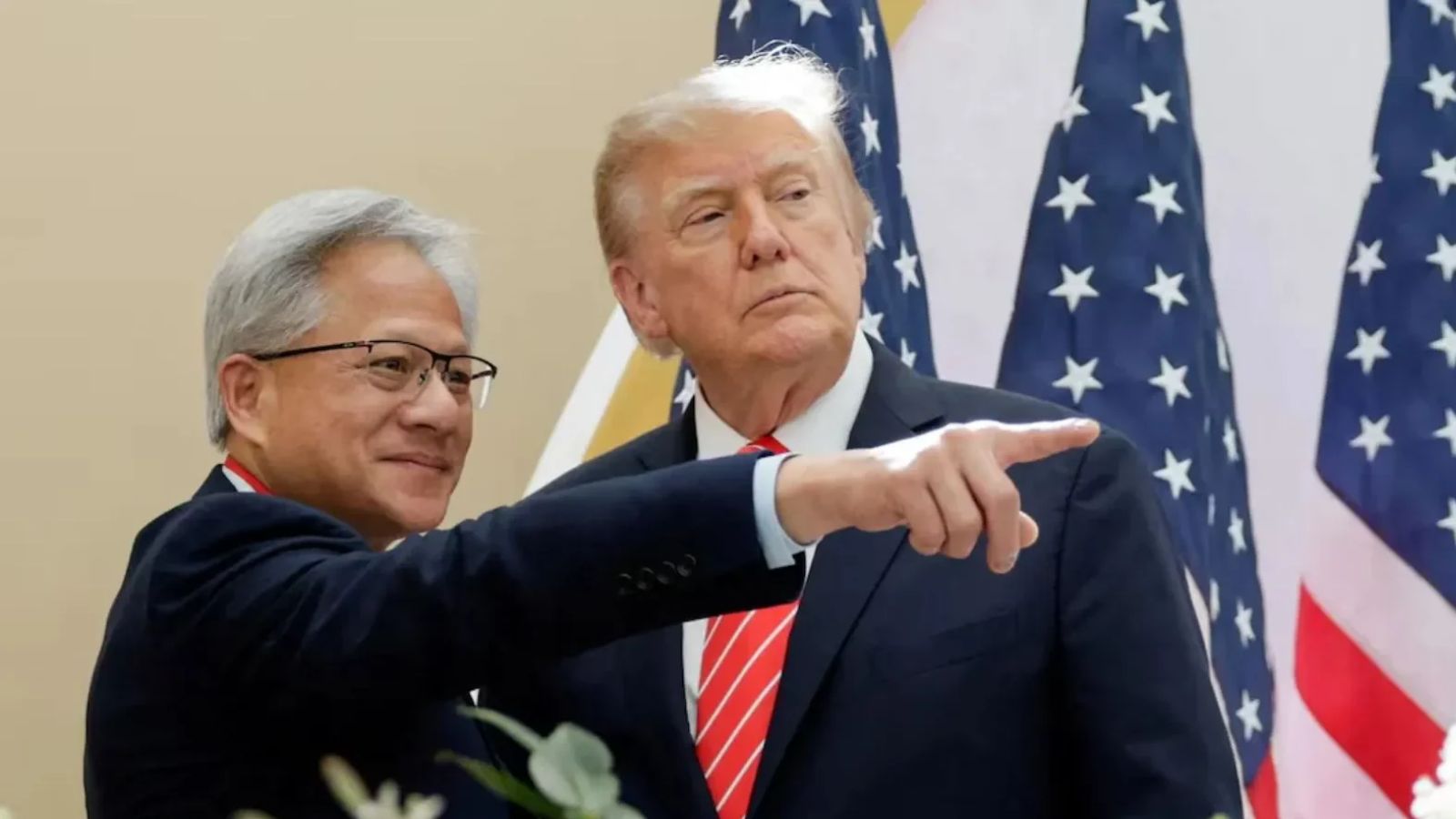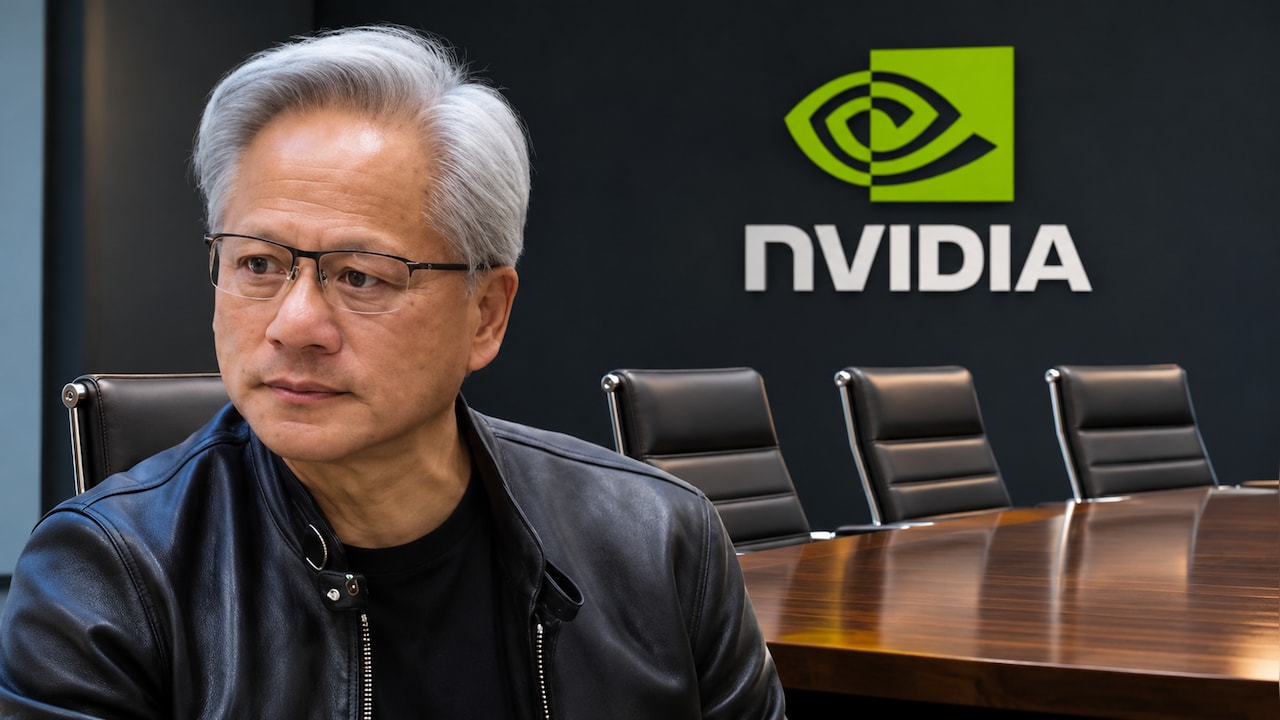
Two words on X sent tech Twitter into an absolute frenzy, yet almost nobody stopped to read the room properly. When Elon Musk replied "Mistake corrected" to news about Jensen Huang's return to Nvidia's operational center, the internet immediately started writing fan fiction about boardroom coups, secret exits, and dramatic comebacks.
Here's the reality. Jensen Huang never actually left Nvidia.
If you've tracked Silicon Valley leadership over the last three decades, you already know that Huang is one of the longest-serving tech CEOs alive, having co-founded Nvidia in 1993 alongside Chris Malachowsky and Curtis Priem. What Musk was actually reacting to—and what the live-blogging news cycle spun into clickbait—was a mix of hyperbole, shifting executive focus around Nvidia's massive AI infrastructure buildout, and the ongoing public bromance between two men who control the supply and demand of global compute.
Let's strip away the breathless live-update framing and look at what actually happened, why Musk weighed in, and what this means for anyone watching Nvidia's stock or AI dominance.
The Anatomy of a Viral Tech Headline
Live-update blogs are built for speed, not nuance. Whenever Nvidia hits a major milestone, drops an earnings report, or sees a shift in its hardware roadmap, financial outlets spin up rolling live blogs to capture search traffic.
During one of these news cycles, a post circulating on X framed Huang's renewed hands-on focus with core GPU architecture and supply chain logistics as a "return" to Nvidia's trenches. Musk, never one to scroll past an opportunity to drop a two-word commentary, chimed in with "Mistake corrected."
That was it. Two words.
Suddenly, headlines started popping up implying that Huang had stepped back, made a strategic blunder, and was now rectifying it under the watchful eye of his biggest customer. That's completely backwards. If you look at Nvidia's SEC filings, corporate governance records, and Huang's own public schedule, the man hasn't taken a real sabbatical since the 1990s.
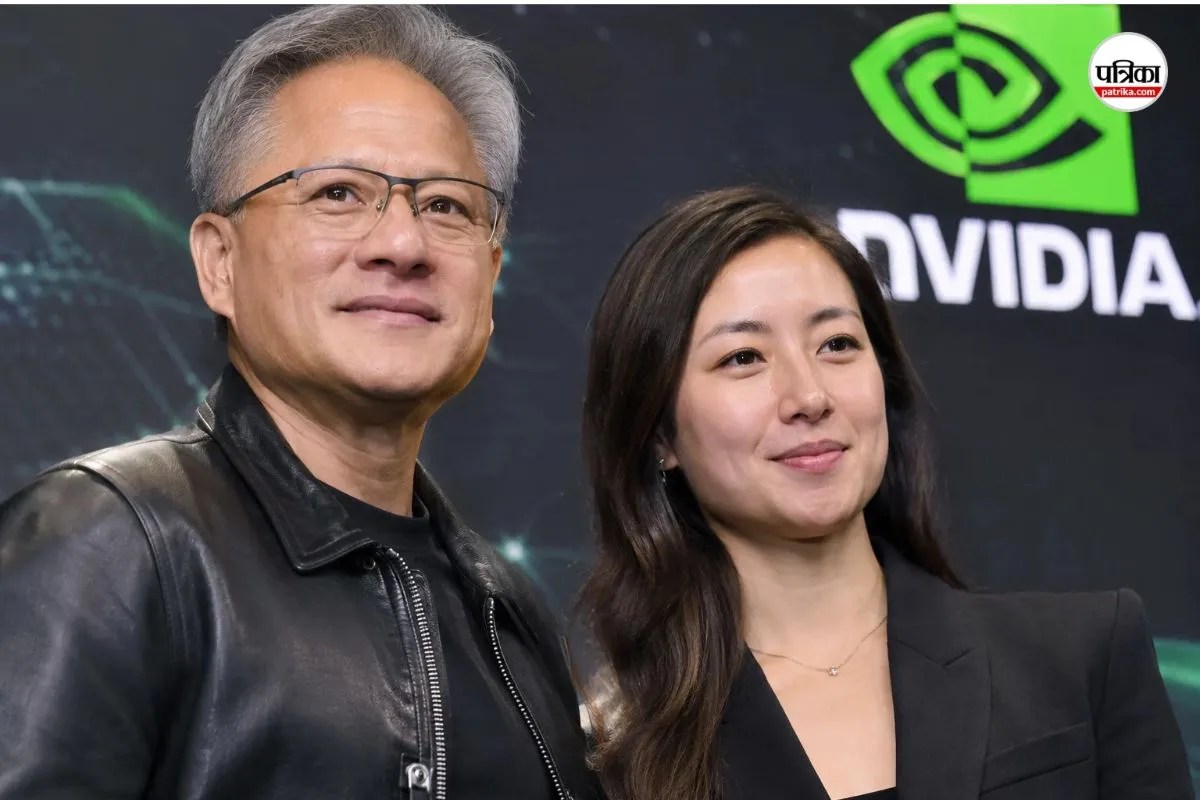
What did happen was a noticeable pivot in how Huang allocates his time. During the peak frenzy of generative AI's initial boom, Huang spent months on a global diplomatic tour—meeting prime ministers in Japan, India, and across Europe to pitch "sovereign AI" infrastructure. While he was evangelizing national data centers on stage in his signature leather jacket, Nvidia's engineering teams were wrestling with massive architectural transitions, moving from the Hopper generation to the Blackwell platform and beyond.
When word got out that Huang was pulling back from endless keynote appearances to lock himself back into daily engineering and supply-chain reviews, industry insiders cheered. Musk's "Mistake corrected" comment wasn't a dig at Huang's competence. It was a billionaire CEO validating another billionaire CEO for ditching PR tours to focus on hardware engineering.
Why Elon Musk Cares So Much About Jensen Huang's Schedule
To understand Musk's comment, you have to understand the financial tether binding Tesla, xAI, and Nvidia together. Musk isn't just a casual observer commenting from the sidelines. He's arguably Jensen Huang's most demanding, highest-spending, and loudest customer.
Think about the sheer scale of compute Musk has been hoarding:
- xAI's Colossus Supercomputer: Built in Memphis, Tennessee, xAI assembled a cluster of 100,000 Nvidia H100 GPUs in a matter of months—a feat Huang himself publicly called "superhuman" because no one else had ever stood up a liquid-cooled cluster of that size so quickly.
- Tesla's Dojo and FSD Training: Despite Tesla building its own custom Dojo training tiles, the company still poured billions of dollars into Nvidia hardware to train its Full Self-Driving neural networks.
- Future Blackwell Allocations: Every major tech giant—Microsoft, Meta, Google, Amazon, and xAI—is fighting tooth and nail for early allocations of Nvidia's next-generation chips.
When you're spending north of $10 billion a year on one vendor's silicon, you don't want that vendor's CEO spending half his month cutting ribbons at overseas conferences. You want him breathing down the necks of TSMC executives in Taiwan, inspecting packaging yields, and making sure your server racks ship on time.
Musk operates his own companies with a notorious "founder mode" mentality, frequently sleeping on factory floors during production hell at Tesla or rewriting code reviews at X. Seeing Huang step away from the global hype circuit and dive back into granular product execution aligns directly with Musk's worldview. In Musk's mind, any CEO who lets marketing or politics pull them away from engineering is making a mistake. Returning to the engineering trenches is the correction.
The Myth of the "Absent" Nvidia CEO
Even the premise that Huang was ever truly distracted doesn't hold up under scrutiny. Unlike almost every other Fortune 500 tech company, Nvidia operates with a remarkably flat organizational structure.
Huang doesn't have a traditional layer of buffer executives shielding him from day-to-day operations. Reports from inside Nvidia have consistently noted that Huang has around 40 to 60 direct reports. He doesn't do standard one-on-one meetings unless someone specifically asks for one, preferring instead to resolve issues in open group settings so information travels across the company without corporate gatekeeping.
He's also famous for his "Top 5 Things" email system, where employees across various tiers send him bulleted lists of what they're working on and what's blocking them. He reads them at night and replies directly.
So when headlines talk about Huang "returning" to Nvidia, don't picture a retired founder dusting off his old badge. Picture a relentless micromanager shifting his focus from external evangelism back to internal bottleneck-clearing.
What Actually Shifted Inside Nvidia
If you're analyzing Nvidia from an investment or industry perspective, the real story isn't gossip on X. It's the brutal engineering reality Nvidia faces right now.
Moving from one GPU generation to the next used to happen on a two-year cadence. Nvidia compressed that timeline to an annual release cycle. That means before one architecture even finishes rolling out to cloud providers, the next one has to be taped out, tested, and entering mass production.
Compressing a hardware cycle like that creates massive friction:
- Packaging Bottlenecks: Advanced chips rely heavily on TSMC's CoWoS (Chip-on-Wafer-on-Substrate) packaging technology. Supply has been chronically tight, requiring constant executive intervention to secure capacity.
- Thermal and Power Limits: Modern AI accelerators draw staggering amounts of power. Moving from air cooling to liquid cooling at data center scale introduces plumbing, leakage, and rack-density headaches that didn't exist three years ago.
- Design Flaws and Mask Revisions: Even Nvidia hits snags. Early production runs of complex multi-die chips occasionally require silicon mask changes to improve manufacturing yields, which ripples through delivery schedules for customers like Musk.
When supply chains tighten and architectural transitions get messy, Nvidia relies on Huang's personal relationships with Taiwanese manufacturing partners—relationships he's cultivated since the mid-1990s. Nobody else on Nvidia's executive bench carries the same weight in Hsinchu or Taipei. His physical presence and direct involvement aren't optional during a major product ramp.
How Financial Media Turns Routine Tweets Into "Live Updates"
If you clicked on a "Nvidia Live Updates" article expecting breaking news about a corporate shakeup, you probably walked away confused. That's by design.
Modern financial newsrooms rely heavily on programmatic live blogs whenever a mega-cap stock moves by more than a couple of percentage points. When Nvidia's valuation swings by $100 billion in a single trading session, editors aggregate everything remotely connected to the ticker—analyst price target tweaks, Taiwanese supply chain rumors, and Elon Musk's X replies—into a single scrolling feed.
The problem with this format is that it strips away context. A sarcastic or supportive two-word reply from Musk gets elevated to the same visual hierarchy as a quarterly earnings miss or a Department of Justice inquiry. Readers skimming the headlines see "'Mistake Corrected': Elon Musk On Jensen Huang's Return To Nvidia" and reasonably assume something dramatic happened in Santa Clara.
Nothing dramatic happened. Two billionaires exchanged a brief public nod while Wall Street algorithms tried to figure out whether to buy or sell semiconductor stocks before the closing bell.
What Investors and Tech Watchers Should Actually Track
If you want to know whether Nvidia is actually executing or stumbling, ignore the social media commentary and watch the metrics that actually move silicon.
First, keep your eyes on gross margins. During the initial AI gold rush, Nvidia's gross margins surged past 75% because customers were willing to pay almost anything for H100 GPUs. As Nvidia transitions to newer, more complex rack-scale systems—selling entire server cabinets rather than just individual chips—margins naturally face slight compression. If margins stay comfortably above 70%, Nvidia's pricing power remains intact.
Second, watch hyperscaler capital expenditure (CapEx) guidance. Nvidia doesn't control its own destiny entirely; it depends on the checkbooks of Microsoft, Alphabet, Meta, Amazon, and xAI. Every time those companies report earnings, listen to what they say about data center spending. As long as they keep raising their CapEx budgets to avoid falling behind in the AI race, Nvidia's order books stay full.
Third, pay attention to custom silicon adoption. Google has its TPUs, Amazon has Trainium, Microsoft has Maia, and Tesla has Dojo. Every major Nvidia customer is actively trying to reduce their dependence on Jensen Huang's hardware. Musk himself has been vocal about wanting alternatives, even while buying tens of thousands of Nvidia chips. The real threat to Nvidia isn't Huang taking a week off to give speeches; it's whether big tech companies can make their internal chips efficient enough to handle inference workloads without paying the "Nvidia tax."
Stop Reading Into Two-Word Tweets
Elon Musk and Jensen Huang understand the media machine better than almost anyone in business. Musk knows a two-word reply will generate dozens of articles within an hour, keeping his own AI ventures tethered to the hottest company on Wall Street. Huang knows that keeping Musk happy—and publicly praised—ensures xAI keeps wiring billions of dollars to Nvidia instead of funding competitors like AMD.
Next time you see a sensational headline built around a cryptic X reply, check the underlying business fundamentals before reacting. Look at TSMC's monthly revenue reports, read the CapEx lines in Big Tech earnings releases, and track actual data center deployments—because in the semiconductor business, factory output always speaks louder than social media.