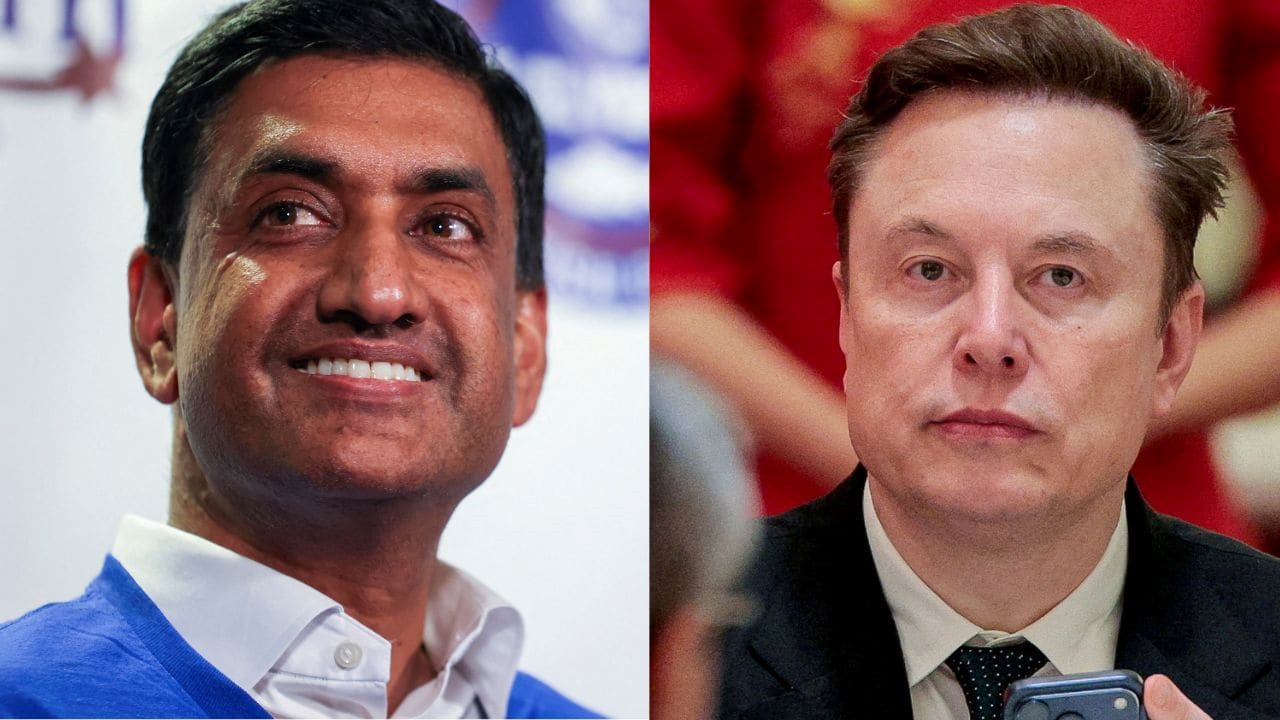
Elon Musk is trading punches with California Congressman Ro Khanna in a brutal public feud that is quickly escalating beyond typical social media drama. It is a collision of raw political power, newly minted trillionaire status, and deep policy cuts that could actually land both men in front of a judge.
The spark for this explosive fight comes down to a single acronym: DOGE. After Musk stepped down from his advisory role leading the Department of Government Efficiency, the political fallout from his severe federal budget cuts started catching up to him. Don't miss our recent article on this related article.
When Khanna openly accused Musk of creating policies that essentially endangered millions of vulnerable people, the tech mogul didn't just fire back with a defensive statement. He threatened a massive lawsuit, threw around prison demands, and branded the Silicon Valley congressman with a permanent nickname: "Ro the Robber."
But this isn't just an unhinged internet flame war. The fight exposes a massive, systemic battle over federal accountability, the legality of congressional stock trading, and how the US manages foreign aid. To read more about the context here, TIME provides an excellent breakdown.
The Trillion Dollar Spark and the Fight Over DOGE Cuts
To understand why this situation turned so toxic so fast, look at the timeline. Earlier this month, a blockbuster SpaceX initial public offering pushed Musk's net worth past the historic $1 trillion mark. For progressive Democrats, that massive accumulation of wealth was a glaring flashing light.
Khanna, who represents California's 17th Congressional District—ironically sitting right in the absolute heart of Silicon Valley—decided to hit Musk where it hurts. Appearing on the I've Had It podcast, Khanna lashed out at Musk's recent aggressive restructuring of the U.S. Agency for International Development (USAID) under his DOGE mandate.
Khanna brought a hammer to the interview. He pointed out that while corporate circles are celebrating Musk creating 4,400 new millionaires through the SpaceX IPO, nobody is talking about the devastating human cost of dismantling USAID. Citing a peer-reviewed health study from The Lancet, Khanna claimed that severe cuts to foreign aid programs could systematically cause the deaths of 4.5 million children under five by 2030 due to a total lack of medical aid and severe malnutrition.
"He needs to answer for that," Khanna argued, demanding that a future Democrat-led Congress issue subpoenas and launch a full criminal investigation into Musk's government efficiency cuts. "It's not just 'let's move on.'"
Musk Fires Back With Lawsuits and Prison Demands
Musk didn't take the accusation lightly. Within hours, he took to X to call the congressman an outright liar, stating point-blank that it was "time to sue this liar."
According to Musk, the standard applied by his cost-cutting team was simple, logical, and transparent. The group merely required foreign aid organizations to provide direct contact information for recipients to verify that US taxpayer money wasn't being stolen by corrupt local officials. Musk doubled down on his defense by pointing to real-world corruption cases, specifically highlighting a Department of Justice bribery case where a former USAID official and multiple corporate executives actually pleaded guilty to stealing millions in aid money.
But Musk didn't stop at defending his policy. He turned the weapon around and went straight for Khanna's throat, accusing him of using his political position to game the market.
"Liars and stock insider traders like Ro the Robber should be in prison!!" Musk posted to his millions of followers.
He was tapping directly into a real, deep public anger. Musk's team immediately highlighted reports tracking congressional financial disclosures, which showed that Khanna's family reported thousands of stock trades totaling tens of millions in trade volume. Musk even signaled his approval for the ultimate escalation, replying with a simple "Yes" to a social media post calling for Khanna's actual arrest.
The Return of the Robber Barons
Khanna didn't back down. Instead of retreating, he flipped Musk's newly minted nickname on its head, leaning heavily into a classic piece of American economic history.
Khanna countered by labeling Musk the true robber, framing the entire battle as "Ro against the Robber Barons of our time." It is a deliberate callback to the late 19th-century ultra-wealthy titans like Andrew Carnegie and J.P. Morgan, who amassed massive personal fortunes while being accused of exploiting the public and crushing the working class.
The congressman admitted to CNBC that having the world's richest man tell millions of people you belong in prison is highly unpleasant. Yet, he immediately weaponized the moment by challenging Musk to a live, televised debate to argue the actual merits of government spending, the results of the DOGE cuts, and the wealth tax proposals currently floating through Washington.
Khanna has been a vocal champion of the "Make Billionaires Pay Their Fair Share Act"—a heavy-hitting legislative proposal engineered alongside Senator Bernie Sanders that would impose a strict 5% annual wealth tax on individual assets valued above $1 billion. A law like that would cost Musk tens of billions of dollars every single year.
What This Bitter Clash Means for You
This feud isn't just standard political theater. It is a live-action preview of the deep ideological warfare defining modern American governance, and the ripple effects matter to everyone.
First, it signals a massive shift in how public figures handle corporate and political accountability. If Democrats regain congressional majorities, subpoenaing private tech leaders over their advisory roles with the executive branch will become a standard political weapon. Second, it shines a massive, unblinking spotlight back on the deeply controversial issue of congressional stock trading. Win or lose, Musk's loud focus on Khanna's financial disclosures keeps the pressure on lawmakers who trade stocks while writing federal laws.
If you want to track where this goes next, keep a close eye on federal court filings in the coming weeks to see if Musk actually pulls the trigger on a high-profile defamation lawsuit. At the same time, watch the congressional dynamic surrounding the Sanders-Khanna wealth tax bill. The true battleground isn't the social media timeline—it's the courtroom and the legislative floor.


