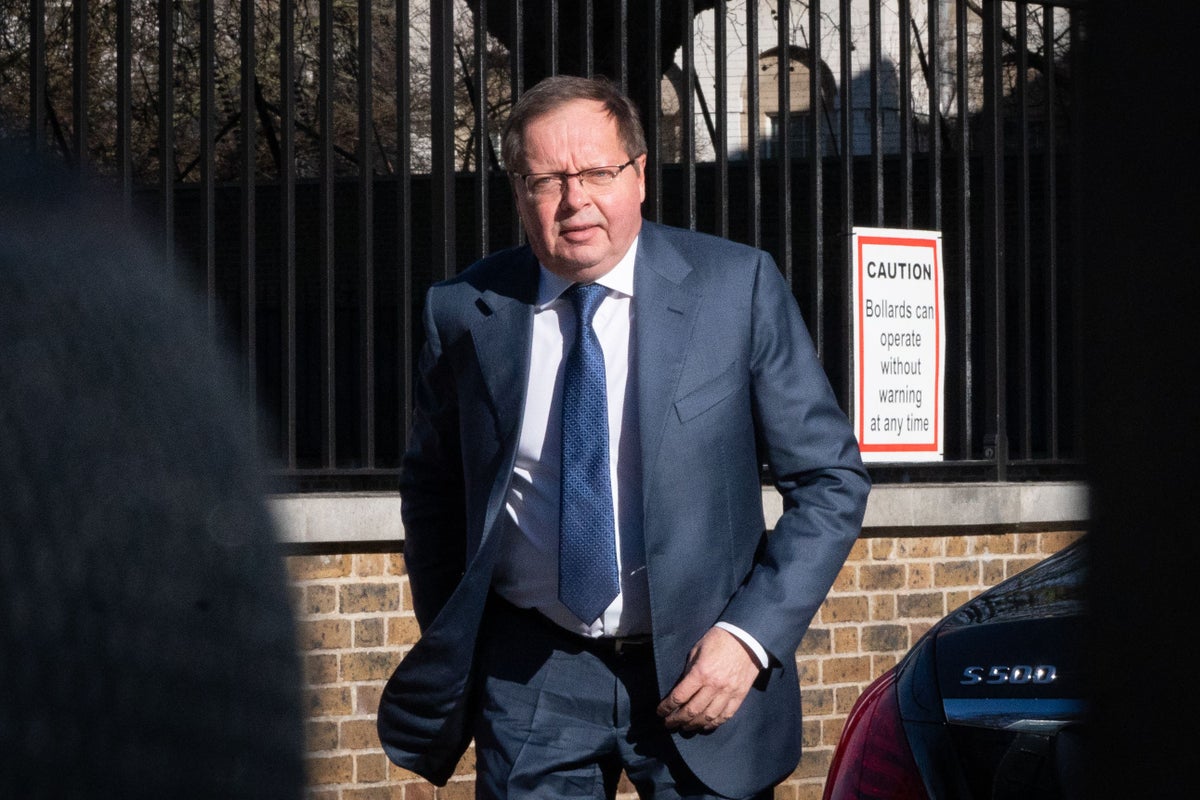
The lazy consensus running through every mainstream foreign desk is simple: Moscow's decision to pull its ambassador from London without a replacement is a sign of Russian isolation. It is framed as a defiant snub, a childish diplomatic cold shoulder reflecting a Kremlin backed into a corner by British resolve over Ukraine.
It is a comforting bedtime story for Whitehall. It is also entirely backwards.
When a superpower leaves an embassy headless, running it on the skeletal crew of a chargé d'affaires while refusing to name a successor for a multi-year incumbent like Andrey Kelin, they aren't retreating. They are signaling that the bilateral relationship has dropped below the threshold where a high-ranking ambassador is even worth the expense of diplomatic theater.
Stop viewing this through the sentimental lens of traditional statecraft. London has spent years treating diplomacy with Moscow as a moral soapbox rather than an operational reality. Now, they are paying the price for turning embassies into media stages.
The Myth of Diplomatic Pressure
Conventional commentary insists that Moscow's move is a panicked reaction to British weapon supplies or a desperate bid to force the UK to abandon Kyiv. This assumes Russia measures its grand strategy through the daily news cycle of Westminster.
Look at the mechanics of modern state-level communication. Ambassadors exist to negotiate, de-escalate, and transmit raw intelligence back to central command. When you withdraw the ambassador and leave a middle-ranking manager in charge, you are telling the host nation: You no longer possess independent agency worth negotiating with.
"Downgrading a diplomatic relationship by default is not a cry for help. It is administrative indifference."
For years, British foreign policy toward Russia has been outsourced to soundbites. I have watched successive administrations treat diplomatic expulsions like football transfers, swapping tit-for-tat measure for measure without any long-term strategic architecture. In May 2024, the UK revoked the credentials of a Russian defense attaché and slapped arbitrary time limits on Russian diplomats. Moscow responded by booting British staff.
Britain cheered these moves as muscular defense. They were actually tactical self-sabotage.
The Cost of Flying Blind
When you systematically dismantle the diplomatic footprint of an adversary, you do not hurt them; you blind yourself.
Imagine a scenario where a corporate executive fires their entire sales team in a hostile market because they dislike the local CEO's politics. That isn't strength. That is corporate self-lobotomy. By cheering the degradation of diplomatic channels, British foreign policy architects have ensured that London has zero early-warning intelligence regarding Russian operational shifts, backchannel exit ramps, or third-party escalations.
The Foreign Office loves to talk about "rules-based international order," but realpolitik requires conversational friction. By reducing diplomatic representation to a ghost town on Kensington Palace Gardens, Britain has eliminated the friction and substituted it with a vacuum.
And vacuums always get filled by worse things.
The Real Winner of the Vacancy
Who benefits from an empty Russian embassy in London? Not Moscow. Maintaining zero high-level presence denies them direct lobbying avenues into British political corridors.
The real winner is the institutional inertia of the permanent security state on both sides. Without an ambassador to challenge the narrative of inevitable, permanent escalation, the hawks in London have total monopoly over public perception. They can paint every policy failure as moral virtue and every structural impasse as proof of enemy malice.
Meanwhile, the actual work of diplomacy—the gritty, unglamorous preservation of communication wires that prevent accidental nuclear escalation—is left to junior bureaucrats who can't even get a meeting with a mid-level desk officer.
Dismantling the Foreign Office Playbook
If you want to understand why this stunt matters, you have to stop asking whether Russia is "winning" or "losing" the diplomatic standoff. That is the wrong question entirely. The question is whether Britain has any strategic utility left in Europe independent of Washington's coattails.
The answer is grim. By allowing relations to atrophy to the point where Moscow doesn't even bother posting an ambassador, Britain has transformed from a global player into a megaphone.
Stop celebrating empty embassies as diplomatic victories. They are monuments to a bankrupt foreign policy that mistook noise for power.
Next time Whitehall boasts about standing up to Moscow by refusing to pick up the phone, remember one brutal truth: the other side stopped calling because nobody on the line was saying anything worth translating.