The fryers at the corner Wingstop usually hum with a kind of rhythmic, industrial optimism. It is the sound of a hundred lemon-pepper orders crackling in hot oil, a white noise that signals a neighborhood is fed, a franchise is thriving, and the gears of the service economy are turning exactly as they should. But lately, that hum has been interrupted by an unsettling silence.
The tables are cleaner than they used to be. Not because the staff is more diligent, but because there are fewer hands to smudge them.
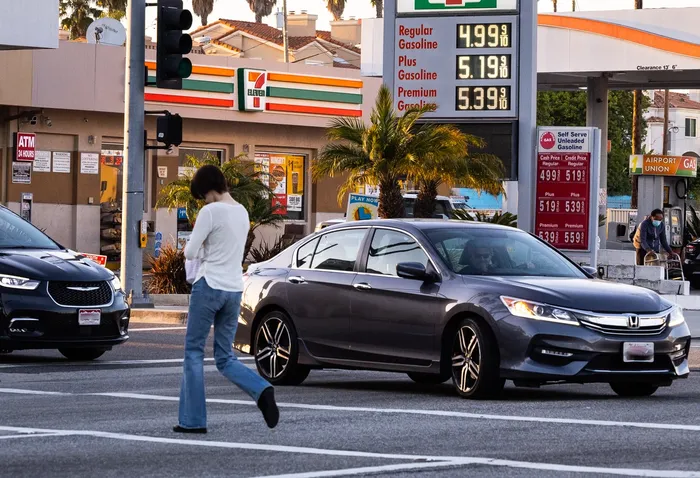
When corporate reports hit the wire, they speak in the dialect of the boardroom. They use words like "headwinds" and "macroeconomic volatility." They point toward maps of the Middle East, tracing the escalating tension of the Iran-Israel conflict, and then they point toward the flickering LED signs at the local Exxon station. The message from the executive suite is clear: Wingstop is hurting because the world is on fire, and the cost of the fuel to reach the chicken is becoming too high to justify the journey.
But statistics are just ghosts of human decisions. To understand why a massive fast-casual giant is watching its sales charts dip into the red, you have to look past the ticker symbol and into the driver’s seat of a 2014 Honda Civic idling in a driveway.
The Math of a Friday Night
Meet Sarah. She is a hypothetical composite of the millions of customers Wingstop is currently missing. It is 6:15 PM on a Tuesday. Her shift ended an hour ago. She is tired. The smell of vinegar and buffalo sauce is her comfort language—a small reward for a long week. Usually, this is the moment she opens the app.
Then she looks at her gas gauge.
The conflict in the Middle East feels light-years away from Sarah’s suburban reality, yet it sits right there on her dashboard. When tensions flare in the Strait of Hormuz, the shockwaves travel through global oil markets and land squarely in the pockets of people trying to buy a ten-piece combo.
For the executive team, the problem is "reduced foot traffic." For Sarah, the problem is a trade-off. If gas is nearly five dollars a gallon, the three-mile drive to the Wingstop and back isn't just a trip; it’s a calculated expense. Suddenly, that $15 order feels like $20. The "invisible tax" of inflation and energy costs has turned a casual impulse into a luxury.
She closes the app. She makes pasta at home.
This is the micro-tragedy of the current economy. A business isn't failing because its product changed; the lemon pepper is still zingy, the ranch is still peerless. It is failing because the bridge between the customer and the counter—the literal road they drive on—has become a tollway of anxiety.
The Geopolitical Butterfly Effect
It feels absurd to suggest that a drone strike or a naval blockade half a world away can dictate the quarterly earnings of a wing joint in Dallas or Detroit. Yet, our world is wired together with copper, oil, and intent.
When the threat of a wider war involving Iran looms, the market reacts with a preemptive flinch. Speculators drive up the price of crude. The logistics companies that deliver frozen poultry to thousands of locations hike their surcharges to cover their own rising fuel bills.
The company finds itself in a pincer move. On one side, the cost of the raw materials—the wings themselves—is subject to the whims of a strained supply chain. On the other, the customer is being squeezed by the very same forces. It is a shared exhaustion.
Consider the kitchen. The manager at a struggling location isn't thinking about international relations. He is looking at the labor schedule. If the sales aren't coming in, he has to send people home. That’s a cook who can't pay his own rent. That’s a cashier whose hours are being slashed because the "macro" environment has turned hostile.
The "company blames the war" headline makes it sound like an excuse, a convenient scapegoat for a bad quarter. But look deeper. It is a confession of vulnerability. It is an admission that even a brand with a cult-like following is ultimately at the mercy of a world that is increasingly expensive to inhabit.
The Psychology of the Small Luxury
There is a specific kind of heartbreak in the death of the small luxury.
During the Great Depression, the "lipstick effect" suggested that even when people couldn't afford a new car, they would buy a small tube of lipstick to feel a sense of normalcy. For the modern American worker, the chicken wing has long been that lipstick. It’s the affordable indulgence. It’s the "I had a hard day, let’s just get the good stuff" meal.
When even the small luxury becomes a source of financial stress, the psychological impact is profound. It breeds a culture of retreat. We stay home. We simplify. We tighten the belt until it leaves a bruise.
Wingstop isn't just losing sales; they are losing their place in the ritual of the American week. The company’s struggle is a canary in the coal mine for the entire fast-casual industry. If a brand built on flavor and portability can’t entice people out of their homes, what does that say about the health of the broader consumer soul?
We are living through a period where the "cost of living" has become the "cost of existing." The friction of daily life—the price of the commute, the heating bill, the insurance premium—is eroding the discretionary income that keeps the service industry alive.
The Invisible Stakes
Behind the falling stock price lies a forest of invisible stakes.
There are the franchisees—the small business owners who poured their life savings into a storefront, believing in the power of the brand. They are the ones watching the door, waiting for a chime that doesn't come as often as it used to. They aren't thinking about "year-over-year growth." They are thinking about the interest rate on their small business loan.
There are the delivery drivers. The gig economy is the first to feel the burn of high gas prices. When the cost to fill the tank rivals the earnings of the shift, the math stops working. Fewer drivers mean longer wait times. Longer wait times mean colder food. Colder food means a customer who never orders again.
It is a cascade. A falling domino in the Middle East hits a gas pump in Ohio, which hits a delivery driver’s wallet, which hits a family’s dinner plans, which finally hits a spreadsheet in a corporate office.
The "customer decrease" isn't a mystery. It isn't a lack of brand loyalty. It is a rational response to an irrational world. People are tired of being squeezed. They are tired of every small joy being scrutinized through the lens of a budget that no longer balances.
The Quiet Counter
Tonight, the fryers will still be hot. The blue-and-green neon will still flicker. But the rhythm is off.
The story of a dip in sales is rarely about the money itself. It is a story about the distance between us and our desires. It is about the way global conflict isn't something we just watch on the news, but something we feel when we check our bank accounts on a Friday evening.
We are watching a giant grapple with the reality that it cannot control the world outside its doors. No amount of clever marketing or celebrity endorsements can offset the raw, punishing reality of a five-dollar gallon of gas and the shadow of a distant war.
The real tragedy isn't found in the loss of a few cents per share. It is found in the quiet kitchens of people who really wanted some wings tonight, but decided they couldn't afford the drive.
In the end, we are all just trying to get home without the light on the dashboard coming on.