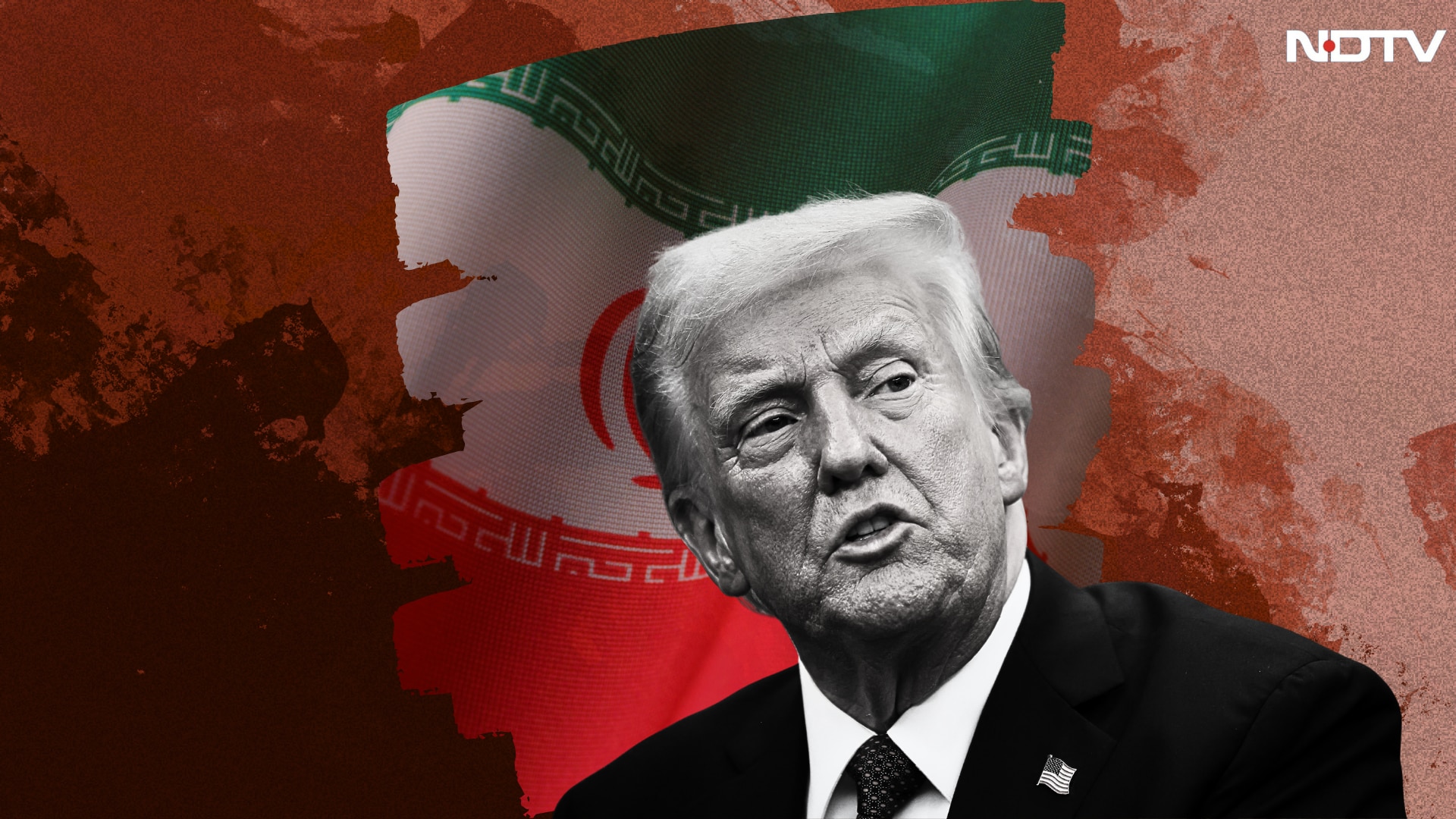
The headlines read like a bad mob movie script. Tehran demands compensation for decades of perceived American aggression, sanctions, and covert operations. The administration counters by pulling out an itemized ledger of American blood and treasure spilled in the Middle East, presenting Iran with a multi-billion-dollar bill of its own. The media treats this like high-stakes poker.
It is not poker. It is theater. And everyone covering it is missing the structural reality of sovereign debt and state liability.
I have spent two decades watching international legal frameworks get weaponized for domestic political consumption. I have seen administrations blow millions crafting punitive tariffs and unenforceable legal judgments that exist solely to satisfy cable news segments. The lazy consensus in every major newsroom right now is that this tit-for-tat invoicing is a novel diplomatic strategy, a bizarre negotiation tactic, or a dangerous escalation.
They are all wrong. This is not diplomacy. It is balance sheet pornography.
The Sovereignty Myth That Keeps Lawyers Rich
Let us clear up the core misconception right out of the gate. Sovereign nations do not pay war damages to each other outside of unconditional military surrender or total economic collapse.
When a court or a politician drafts a bill demanding trillions in reparations or damages from a hostile foreign power, they are performing a ritual. They are playing to an internal constituency. International law lacks a universal sheriff. There is no bailiff who can repossess the assets of the Islamic Revolutionary Guard Corps because they missed a payment on a sovereign invoice.
To understand why this current exchange is entirely toothless, you have to look at how state immunity functions in practice. The Foreign Sovereign Immunities Act in the United States and equivalent statutes globally create massive legal brick walls. You can win a default judgment in a federal district court against a sanctioned state actor all day long. Getting your hands on actual liquidity is an entirely different universe.
Imagine a scenario where a corporate debtor goes completely bankrupt, liquidates every asset, and leaves zero residual value. Now scale that up to a nation-state with a completely decoupled economy operating outside Western clearinghouses. Handing them a bill does not create leverage. It creates talking points.
The Cost Accounting Illusion
The mainstream narrative treats these demands as serious fiscal calculations. They are not. They are arbitrary numbers pulled from political thin air to match the severity of the news cycle.
When you tally up the cost of asymmetric warfare, proxy conflicts, and naval skirmishes, you are dealing with unquantifiable externalities. How do you price the psychological impact of a downed drone? What is the fair market value of disrupted shipping lanes in the Strait of Hormuz?
Economists and defense analysts who validate these itemized bills are engaging in professional malpractice. They know—or they should know—that modern fiat currency and sovereign debt architectures do not apply across hostile borders. You cannot garnish the wages of a theocracy.
I have sat in rooms where bureaucrats argue over the precise valuation of military hardware lost in regional skirmishes, knowing full well the ledger entries will never be reconciled in any physical bank. It is an exercise in bureaucratic displacement activity. When you do not know how to solve a sticky geopolitical stalemate, you hire accountants to measure it.
The Real Power Play Is Liquidity Denial
While the pundits obsess over who owes whom trillions of dollars in fictional damages, the actual mechanics of statecraft are happening entirely elsewhere.
The real power play has never been about sending bills. It is about access to the global financial plumbing.
Look past the theater of itemized invoices. The United States does not need to send Tehran a bill for war damages because it already holds the master key to the international dollar standard. By controlling SWIFT access, secondary sanctions, and primary reserve currency status, Washington inflicts daily economic damage that makes symbolic invoicing look like pocket change.
Conversely, Tehran uses asymmetric proxy networks and regional energy choke points to impose real-world friction costs on global commerce. That is the actual ledger. It is written in oil prices, insurance rates for cargo ships traversing the Persian Gulf, and defense spending allocations in Washington.
Neither side is ever going to pay the other a single cent of court-ordered or politically demanded restitution. To pretend otherwise is to misunderstand the fundamental nature of modern power.
Stop Playing Ledger Theater
If you want to understand why these public invoice exchanges keep happening, follow the media incentives. A multi-billion-dollar demand makes for a great twenty-four-hour news cycle. It lets politicians look tough without requiring any actual strategic recalibration.
The next time you see a headline about a government demanding war damages or flipping financial tables on a geopolitical rival, ask yourself one simple question. Is this an operational move or a press release?
Almost every single time, it is the latter.
Stop buying the ledger theater. Real power does not send invoices. It sets the terms of trade, controls the currency, and lets the lawyers chase ghosts.