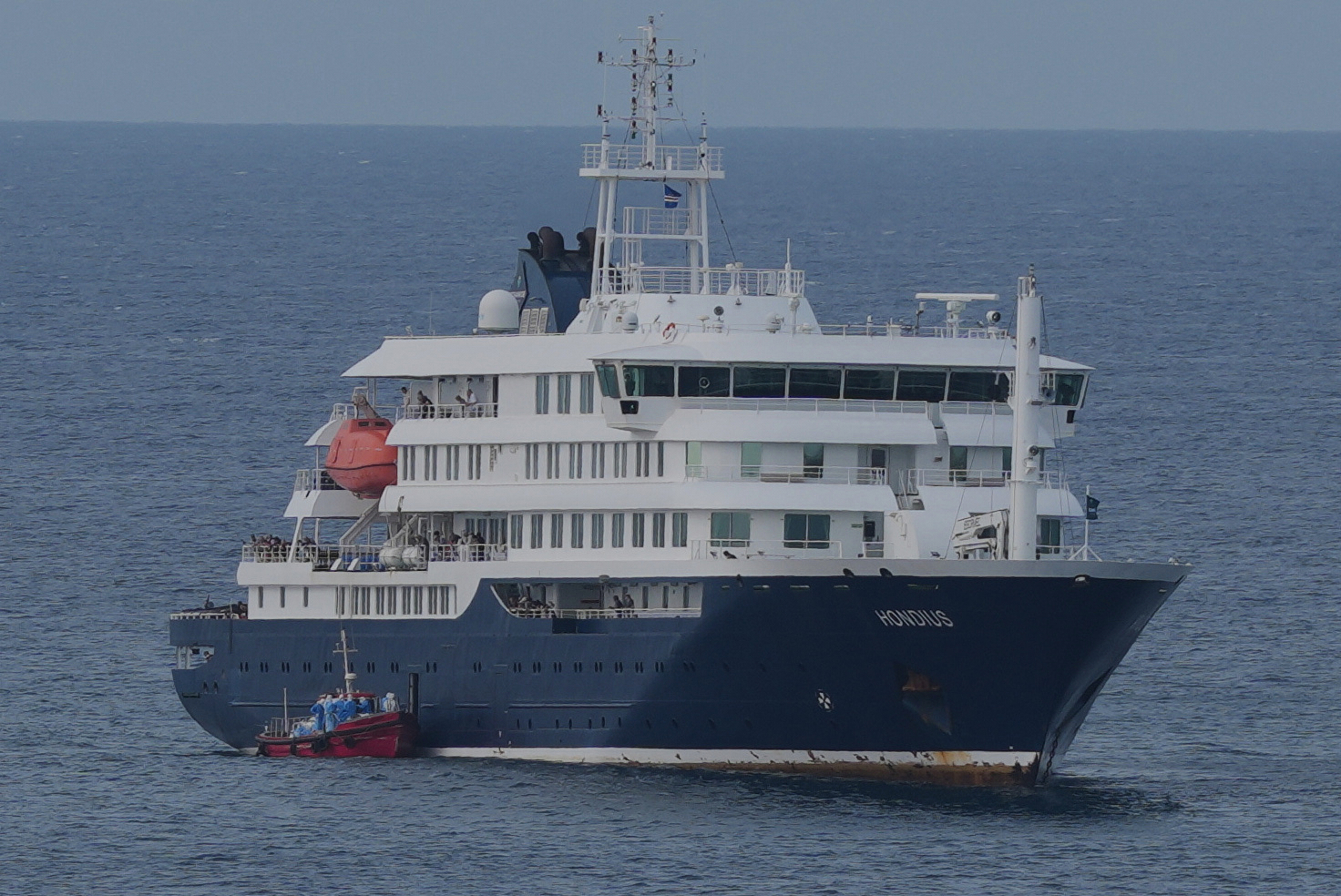
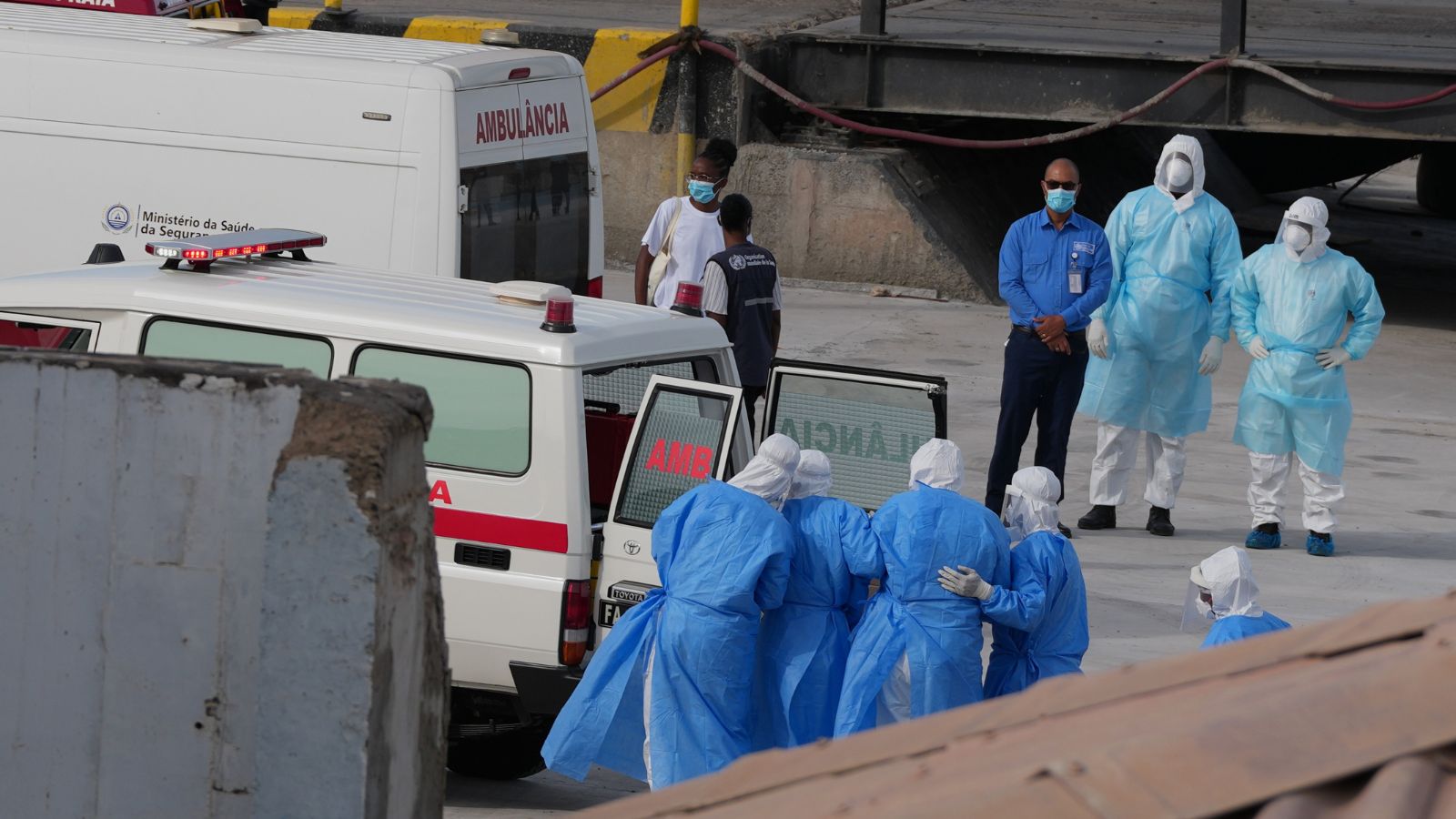
The emergence of suspected hantavirus cases within Singapore’s maritime borders necessitates a shift from reactionary reporting to a structural analysis of viral kinetics in high-density, closed-loop environments. While the immediate public health concern focuses on two specific residents, the underlying threat lies in the failure of the "vessel-as-a-vector" containment strategy. The viral risk profile of a cruise ship differs fundamentally from terrestrial urban environments due to the intersection of diverse geographical biosignatures and the artificial concentration of human-rodent interaction points.
The Mechanistic Path of Orthohantavirus Transmission
Hantaviruses are not a monolithic threat; they are a genus of RNA viruses hosted primarily by rodents, shrews, and moles. In the context of a cruise ship outbreak, the focus narrows to the Old World hantaviruses, such as the Hantaan or Seoul strains, which typically manifest as Hemorrhagic Fever with Renal Syndrome (HFRS). Unlike respiratory viruses that rely on aerosolized droplets from human coughing, hantavirus enters the human host via the inhalation of aerosolized excreta—urine, saliva, or droppings—from infected rodents. For a closer look into similar topics, we suggest: this related article.
The transmission chain in a maritime setting follows a three-stage progression:
- Niche Infiltration: Rodents, specifically Rattus norvegicus (the brown rat), infiltrate vessel superstructures during docking or through contaminated cargo.
- Environmental Seeding: The ship's HVAC and ventilation systems serve as a distribution network. If nesting occurs near air intake or circulation hubs, the viral load is mechanically distributed across multiple decks.
- Human Internalization: High-touch surfaces and recycled air become the primary delivery mechanisms, bypassing traditional social distancing measures that would mitigate other viral threats.
The Singaporean cases highlight a critical vulnerability in the incubation window. With an incubation period ranging from one to eight weeks, a passenger may disembark long before the onset of febrile symptoms, turning a localized shipborne event into a distributed urban health challenge. For further context on this topic, detailed analysis can be read on World Health Organization.
The Logistics of Containment Failure
The detection of two cases in Singapore following a cruise outbreak suggests a breakdown in the Maritime Health Barrier. This barrier relies on the "Ship Sanitization Control Certificate" system, which often prioritizes visible hygiene over microbiological screening. The failure to prevent an outbreak of a rodent-borne virus on a modern cruise liner points to a lapse in Integrated Pest Management (IPM) protocols.
Three specific variables dictate the severity of a maritime hantavirus outbreak:
- The Density-Dependent Transmission Rate: Cruise ships operate at a human density far exceeding that of most land-based habitats. This creates a target-rich environment for any virus that achieves environmental stability.
- Vector Persistence: Hantavirus can remain infectious in the environment for several days depending on temperature and humidity. The controlled, humid climate of a ship’s interior provides an ideal stability chamber for viral RNA.
- Diagnostic Lag: Because early symptoms—fever, chills, and muscle aches—mimic influenza or COVID-19, clinical suspicion for hantavirus remains low. This delay prevents the early isolation of the primary infection source.
Quantifying the Risk to Singapore’s Biosecurity
Singapore’s status as a global transshipment hub makes it uniquely susceptible to "bio-hitchhiking." The arrival of symptomatic residents from a known outbreak site triggers the Contact-Trace Multiplier. If the virus involved is the Seoul strain, which is found worldwide and associated with urban rats, the risk of the virus jumping from the vessel to the local rodent population—and thus becoming endemic—is the primary strategic concern.
The Ministry of Health (MOH) response must account for the Sero-diagnostic Bottleneck. Definitive confirmation of hantavirus requires specialized serological testing (ELISA) or Polymerase Chain Reaction (PCR) assays that are not standard in primary care clinics. Until these tests are completed, the public health apparatus must operate under the assumption of a "worst-case" viral virulence, specifically monitoring for renal failure or pulmonary edema, which characterize the later stages of the disease.
Structural Vulnerabilities in Modern Maritime Engineering
Modern vessel design inadvertently facilitates rodent movement through utility raceways and cable conduits. These "internal highways" allow vectors to bypass traditional traps and visual inspections. Furthermore, the massive volume of food waste generated and stored on cruise ships creates a high-calorie draw for rodents, which can easily be brought aboard in bulk dry good shipments.
The transition from a localized outbreak to a public health crisis is governed by the Vector-Host Interface Ratio. In a controlled environment, this ratio should be zero. Any non-zero value indicates a failure of the physical hull integrity or the supply chain’s biosecurity protocols. The Singapore cases serve as a "canary in the coal mine" for the cruise industry’s post-pandemic health frameworks, which have focused heavily on respiratory pathogens while neglecting the persistent threat of zoonotic, vector-borne diseases.
Tactical Response and Epidemiological Forecasting
Effective management of this outbreak requires a transition from individual patient care to systematic environmental remediation. The "wait and see" approach to diagnostic results creates a window where the source remains active.
A rigorous containment strategy must involve:
- Molecular Sourcing: Utilizing genomic sequencing to trace the viral strain back to a specific geographic origin. This identifies whether the infection was "picked up" at a specific port or if the vessel itself maintains a resident infected rodent population.
- HVAC Sterilization: Standard HEPA filtration is insufficient for long-term hantavirus mitigation if the source is not removed. Active disinfection of ductwork using hydrogen peroxide vapor or specialized UV-C arrays is required to neutralize aerosolized excreta.
- Cross-Border Data Integration: Singapore must synchronize its "National Pulse" surveillance system with international maritime health logs. If these two residents were part of a larger cohort, the data must be aggregated to determine the attack rate among the ship's manifest.
The long-term strategic play for the Singaporean health authorities is not merely the recovery of these two individuals, but the implementation of a "Zero-Vector Entry" policy for all passenger vessels. This involves mandatory, third-party certified rodent inspections that go beyond visual checks, utilizing infrared thermography and environmental DNA (eDNA) sampling to detect rodent presence in inaccessible ship compartments.
The immediate priority for clinical teams is the monitoring of the Renal-Respiratory Pivot. In hantavirus infections, the transition from general malaise to organ-specific failure can occur within hours. Management requires aggressive fluid balance monitoring and, in severe cases, early intervention with ribavirin, although its efficacy varies significantly depending on the timing of administration. The focus must remain on the mechanical reality: the virus is an environmental contaminant, and until the environment is cleared, the human cases are merely the lagging indicators of a broader systemic failure.