The waiting room always smells exactly the same. It is a sharp, clinical cocktail of industrial lavender, rubbing alcohol, and the distinct, papery scent of a freshly unrolled examination table. For decades, this room has held a quiet, generational dread. Women sat here, shifting on vinyl chairs, waiting for results that could alter the trajectory of their lives in an instant. They waited for news about cervical cancer.
It was a thief that operated in the shadows of the human body, quiet and relentless. But outside these clinical walls, a quiet revolution has been unfolding. A medical miracle is quietly erasing a monster from our future. You might also find this similar coverage useful: Deconstructing Epidemic Acceleration Why Outbreaks Escalate Beyond Containment Thresholds.
We are standing on the precipice of a world where a specific, terrifying diagnosis simply ceases to exist for the next generation. Recent long-term data tracking thousands of young women reveals a stark, breathtaking reality. Children who receive the HPV vaccine have a near-zero risk of dying from cervical cancer before the age of 30.
Not a reduced risk. Near zero. As highlighted in recent reports by National Institutes of Health, the effects are widespread.
Think about that number. Zero is a heavy word in medicine. Doctors loathe it. They prefer hedges and buffers, using phrases like "significantly mitigated" or "strongly reduced." But the data coming out of long-term population studies is shouting what scientists have whispered for years. The vaccine works so well that it is effectively starving the disease of its future hosts.
To understand the weight of this victory, you have to look backward. Imagine a woman named Sarah, a hypothetical composite of the thousands who walked this path a generation ago. In her early twenties, Sarah is building a life. She is navigating a career, paying off student loans, and falling in love. She feels invincible because that is what twenty-somethings do. Then comes a routine screening, a phone call, and a word that stops time.
Cancer.
For Sarah’s generation, the Human Papillomavirus was a roll of the dice. It is an incredibly common virus, one that most adults encounter at some point. In most cases, the body clears it without a trace. But in some, the virus settles in, quietly rewriting the cellular code of the cervix over a decade or more. By the time it manifested as cancer in a woman's twenties or thirties, the battle was already fierce, painful, and deeply uncertain. The emotional toll was immense, fracturing dreams of fertility, career stability, and long life before they even had a chance to bloom.
The stakes were completely invisible because the virus doesn't knock. It doesn't cause a fever or a rash. It simply waits.
Then came the vaccine. When it was first introduced, it was met with a storm of societal anxiety. Parents hesitated. Conversations stalled around kitchen tables. It was a classic human miscalculation: we focused so heavily on the immediate discomfort of a conversation about a sexually transmitted virus that we lost sight of the long-term protection we were offering our children. We chose a shield of silence over a shield of science.
Consider what happens next when we zoom out to the macro level. Decades have passed since those first awkward clinic visits. The children who received those early doses are now adults in their twenties and thirties. They are the data. They are the living proof.
The latest epidemiological research has tracked these individuals across decades, comparing them to unvaccinated peers. The contrast is stark. While cervical cancer remained a devastating reality for the unvaccinated group, the vaccinated cohort showed an almost total erasure of early-onset mortality from the disease. The virus was stopped at the front door.
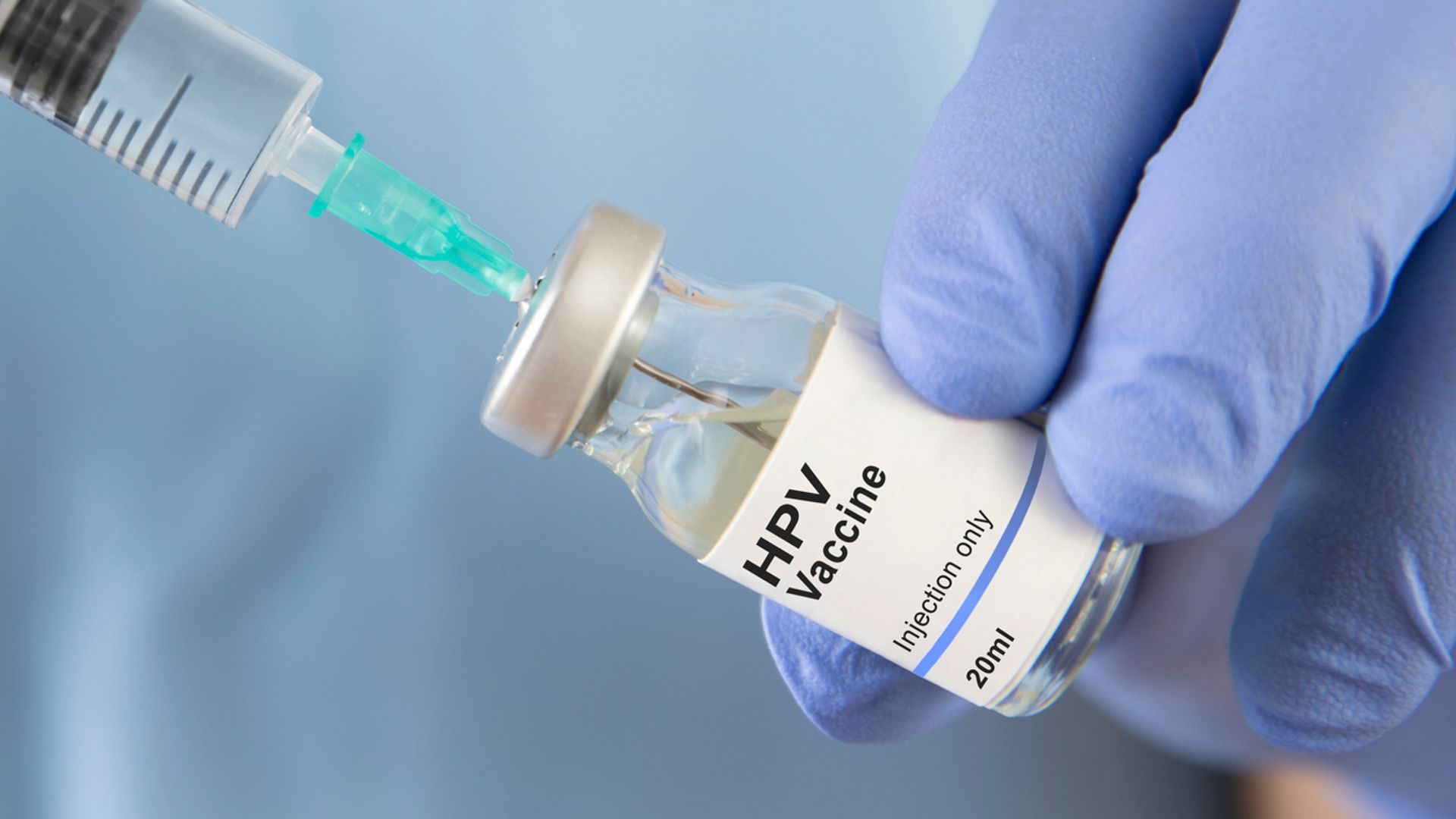
The science behind this is elegant, though it can feel confusing when buried under medical jargon. Think of the vaccine as a highly detailed "Wanted" poster distributed to your immune system. The vaccine does not contain the live virus; instead, it uses a harmless protein that mimics the virus's outer shell. Your immune system studies this poster, learns the exact shape of the enemy, and creates specialized defenses. Years later, if the actual virus attempts to invade, your body recognizes it instantly. The defense forces deploy immediately, neutralizing the threat before it can ever alter a single cell.
It is a preemptive strike on a cellular level.
This brings us to a fundamental shift in how we approach human health. For centuries, medicine was reactive. We waited for the fire to start, then rushed in with hoses, axes, and chemicals to put it out, often destroying parts of the house in the process. Chemotherapy, radiation, and invasive surgeries are the heavy artillery of reactive medicine. They save lives, but they exact a heavy toll.
The HPV vaccine represents the ultimate form of proactive medicine. It doesn't fight the fire; it fireproofes the structure before the spark can ever land.
Yet, despite the overwhelming triumph of the data, a gap remains. Skepticism, misinformation, and simple procrastination mean that thousands of children still miss out on this protection every year. Parents often ask if it is truly necessary to vaccinate a pre-teen against a virus associated with adult intimacy. The answer lies in the timeline of the human immune system.
The vaccine is most effective when administered in early adolescence, well before any potential exposure to the virus. At this age, the immune response is incredibly robust, creating a deep, lasting reservoir of antibodies that stand guard for decades. Waiting until adulthood to seek protection is like trying to install a security system while a burglar is already walking through the living room. It changes the math entirely.
The true impact of this medical milestone extends far beyond the statistics on a spreadsheet. It is found in the quiet absences. It is found in the empty oncology wards that will never have to host these young women. It is found in the careers that won't be interrupted, the families that won't be shattered by premature grief, and the weddings, graduations, and quiet Sunday mornings that will happen simply because a virus was denied its foothold.
We are witnessing the slow, deliberate erasure of a ghost that has haunted humanity for generations. The fear that once hung heavy over the vinyl chairs of the waiting room is evaporating, replaced by the quiet confidence of a generation protected before they ever knew they were at risk.
The needles are small. The appointments are brief. But the result is a legacy of life, stretching out into a future completely unburdened by a preventable tragedy.