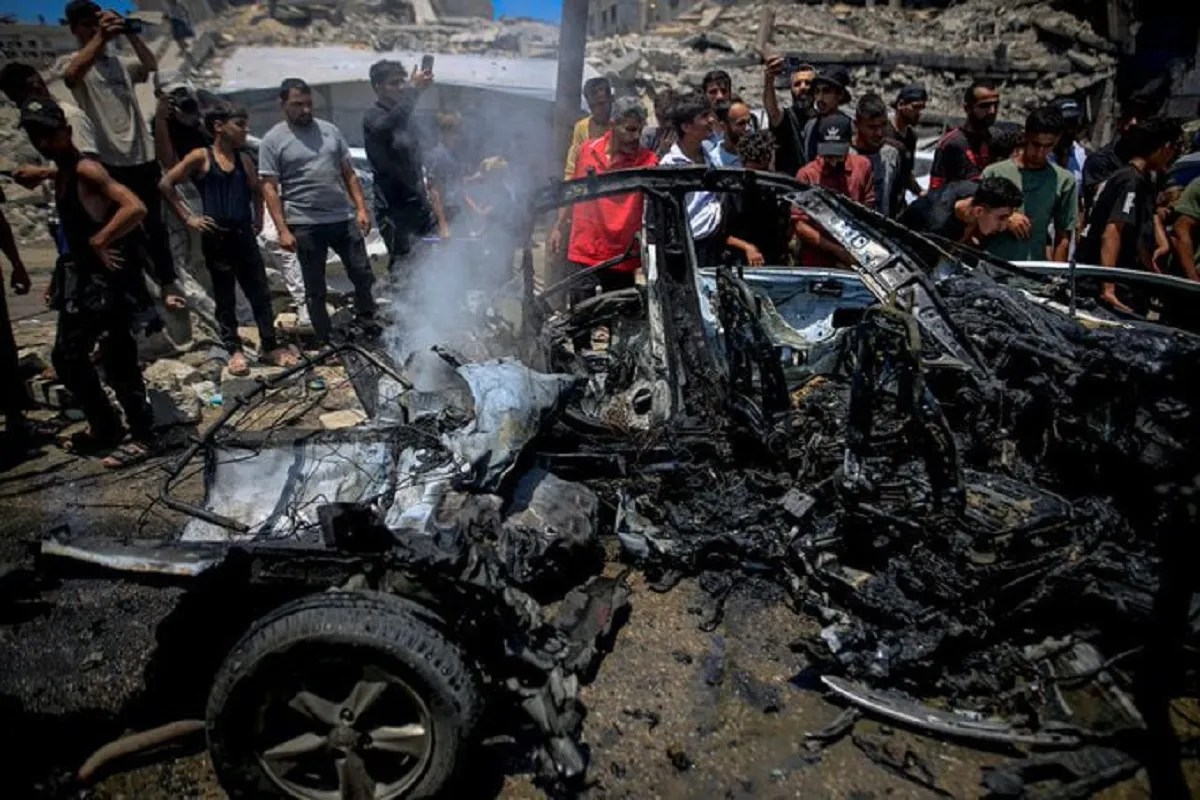
Fresh airstrikes across the Gaza Strip left at least five dead, including three children, while explosions shook Abdanan in western Iran, signaling a dangerous widening of military engagements across multiple fronts. These simultaneous strikes underscore a lethal operational rhythm that has gripped the region, where tactical military actions increasingly outpace strategic diplomacy. The immediate human toll in Gaza highlights the continuing vulnerability of civilian populations, while reported detonations deep within Iranian territory point to an expanding perimeter of direct and indirect intelligence and strike operations.
Military operations across Gaza have settled into a grinding pattern of target identification and rapid aerial response. The human cost remains concentrated in residential areas, where dense urban infrastructure offers zero buffer against precision munitions. When a missile hits a target in these zones, the blast radius makes collateral damage virtually unavoidable, regardless of the intended target's profile.
The Mechanics of the Gaza Airstrikes
The tactical rationale provided for these strikes typically centers on neutralizing high-value assets or disrupting combatant logistics. However, the operational reality on the ground paints a much starker picture.
Strike aircraft and uncrewed aerial vehicles operate with persistent surveillance loops over the enclave. Intelligence feeds identify targets based on signal intercepts, human intelligence, and real-time aerial reconnaissance. Once a strike order is cleared, the window between command approval and kinetic impact is measured in minutes.
The physical destruction, however, lasts for generations. The loss of non-combatants, particularly young children, is not merely a statistical casualty of war. It reshapes local dynamics, fuels immediate recruitment, and eliminates whatever fragile willingness remained among civilians to cooperate with international stabilization efforts.
The Western Iran Connection
While Gaza remains the kinetic focal point, the reports of explosions in Abdanan, located in Iran’s Ilam province, point to a different layer of the conflict. Abdanan sits near critical infrastructure routes and strategic military corridors in western Iran.
Explosions in such locations rarely occur in a vacuum. They typically fall into three operational categories.
- Targeted Sabotage: Direct action against military storage facilities, missile development sites, or communications hubs designed to degrade supply chains before hardware reaches regional proxies.
- Psychological Operations: Demonstrating an ability to strike deep inside sovereign Iranian territory without triggering a full-scale regional air defense response.
- Preemptive Interdiction: Disabling specific asset transfers or intelligence gathering equipment active near sensitive border zones.
Strikes or covert actions within Iranian borders represent a direct challenge to Tehran's internal security apparatus. The domestic political pressure on Iranian leadership to respond to breaches within its territory creates a volatile feedback loop. Every unacknowledged hit or sudden explosion in remote provinces like Ilam forces a recalibration of air defense assets and internal security deployments.
Multi-Front Dynamics and Strategic Paralysis
The simultaneous pressure on Gaza and intelligence-driven actions within Iran illustrate a modern conflict architecture that ignores conventional borders. The tactical objective is clear: keep opponents off balance across multiple zones so they cannot consolidate resources or coordinate a unified response.
Yet this approach carries systemic risks. Maintaining high-intensity operations across disparate geographic areas demands immense intelligence assets and logistics. More critically, it relies on the assumption that adversaries will react predictably to pressure. History suggests otherwise. When regional actors find themselves under continuous strike pressure, their command structures tend to decentralize. Decentralized military units act with greater autonomy and less restraint, vastly increasing the likelihood of uncoordinated actions that spark broader escalation.
Diplomatic channels remain largely reactive, struggling to keep pace with operational developments. Negotiations usually center on temporary pauses or humanitarian corridors, addressing immediate symptoms rather than the overarching security dynamics. This operational disconnect creates a scenario where military momentum dictates political reality, leaving zero room for strategic off-ramps.
The ongoing strikes across Gaza and the expanding operational footprint in locations like Abdanan indicate a shift from contained deterrence to open-ended attrition. Without a fundamental change in strategic objectives, tactical actions will continue to drive regional dynamics toward higher volatility.