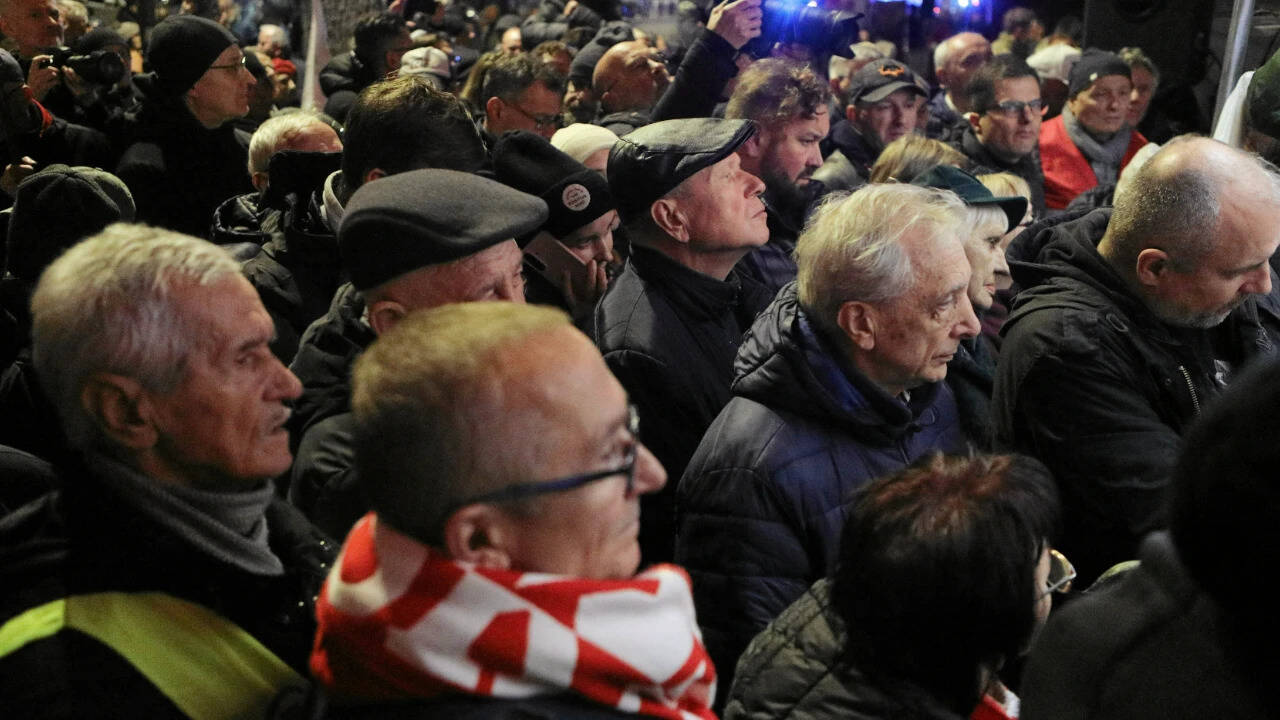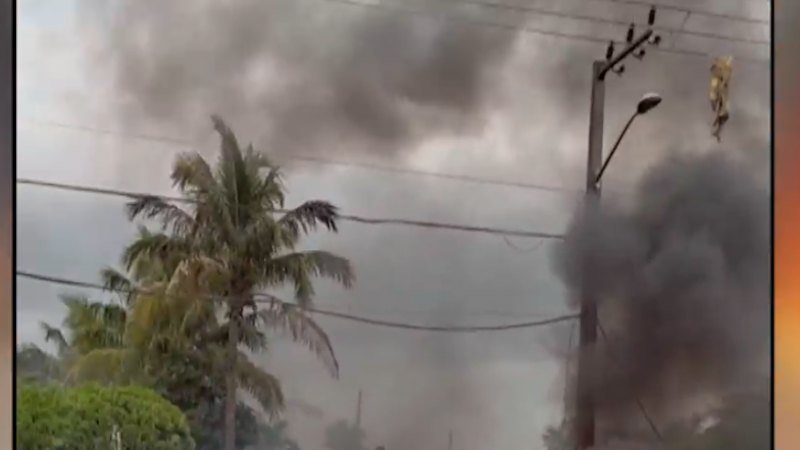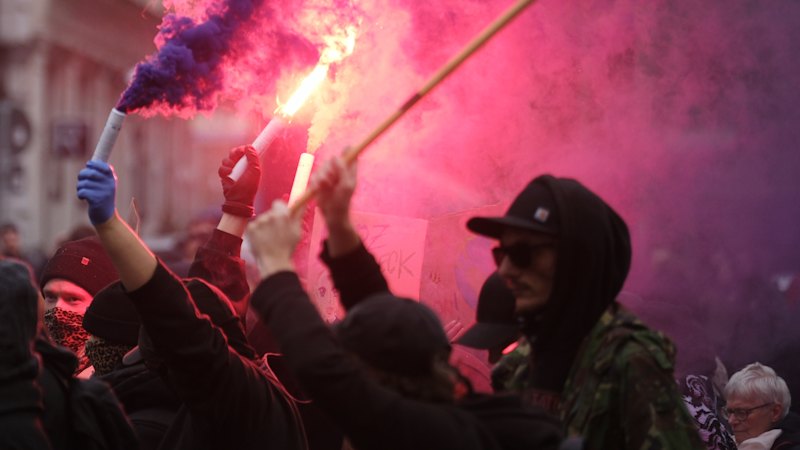
State deterrence fails when the perceived cost of compliance exceeds the perceived cost of confrontation. When German federal and state interior ministers pledge "tough action" following violent episodes during youth-led demonstrations—commonly labeled in media shorthand as "Gen Z" protests—they are attempting to recalibrate that cost-benefit equation through statutory enforcement and visible policing. However, treating decentralized, digitally mobilized civil unrest purely as a conventional public-order policing problem ignores the structural mechanics driving the escalation. To evaluate whether hard-line ministerial responses will restore stability or accelerate radicalization, analysts must separate the media framing of generational conflict from the operational realities of German assembly law (Versammlungsrecht), decentralized network mobilization, and economic grievance.
Deconstructing the Generational Framing
Standard news coverage frequently relies on demographic labels such as "Gen Z protests" to categorize demonstrations involving participants born between the late 1990s and early 2010s. From an analytical perspective, demographic categorization obscures more than it reveals. Age cohorts are not monolithic political actors; they are heterogeneous populations reacting to specific institutional bottlenecks and macroeconomic pressures.
In the German context, youth-dominated protests generally coalesce around three distinct grievance vectors rather than a unified generational ideology:
- Intergenerational Resource Allocation: Young adults face asymmetric exposure to housing shortages in major metropolitan centers (such as Berlin, Munich, and Hamburg), rising living costs, and long-term structural strain on the statutory pension system (Gesetzliche Rentenversicherung). When fiscal policy prioritizes immediate entitlements for older, larger voting blocs over capital investment in education, transit, and housing, younger citizens experience institutional alienation.
- Climate and Regulatory Urgency: A segment of youth activism views traditional parliamentary timelines as mathematically incompatible with decarbonization targets. This perception shifts their tactical preference from conventional lobbying to direct disruption, operating on the premise that immediate economic friction is justified to prevent long-term systemic collapse.
- Geopolitical and Identity Polarization: Urban demonstrations increasingly serve as domestic theaters for international conflicts and cultural disputes. Digital platforms compress global crises into immediate local flashpoints, drawing young participants into polarized street confrontations where local municipal authorities become proxy targets for grievances beyond their jurisdiction.
Labeling these divergent movements under a single generational banner creates an analytical blind spot. State actors who treat distinct grievance structures as a single behavioral trend risk deploying blunt enforcement tools that alienate moderate participants while failing to deter dedicated agitators.
The Anatomy of Escalation in Public Assemblies
Peaceful demonstrations do not transition into violent clashes spontaneously; they follow a predictable operational sequence driven by crowd dynamics, spatial bottlenecks, and tactical feedback loops. Understanding this transition requires examining how decentralized mobilization interacts with traditional police containment strategies.
Asymmetric Mobilization vs. Hierarchical Policing
Traditional protest movements relied on centralized organizations—unions, political parties, or established NGOs—that registered routes, appointed trained marshals (Ordner), and maintained direct communication channels with police commanders. Modern youth-driven mobilizations operate through ephemeral, encrypted, or algorithmic networks (Telegram channels, TikTok feeds, Instagram stories).
This creates an operational asymmetry. Decentralized networks can assemble hundreds or thousands of individuals at a specific transit hub within minutes, without an identifiable leadership structure capable of negotiating de-escalation. Conversely, German police units (Bereitschaftspolizei) operate within strict hierarchical command structures governed by state-level assembly laws. When a fluid, leaderless crowd encounters a rigid police perimeter, minor friction—such as bottle throwing, pyrotechnics, or unauthorized route deviations—rapidly triggers collective escalation.
The Tactical Friction Loop
Once physical confrontation begins, a self-reinforcing cycle takes hold:
- Trigger Event: A small fraction of the crowd—often experienced black-bloc agitators or opportunistic actors embedding themselves within a larger youth demonstration—initiates property damage or assaults officers.
- Containment Response: Police commanders deploy crowd-control formations, pepper spray, batons, or encirclement tactics (Polizeikessel) to isolate the threat and prevent mobility.
- Radicalization of the Periphery: Indiscriminate containment measures inevitably affect non-violent participants trapped within the perimeter. For a first-time protester experiencing physical force or prolonged detention, the state ceases to be a neutral arbiter and becomes an immediate adversary.
- Digital Amplification: High-contrast video clips of police force—stripped of the preceding trigger events—are uploaded in real time. These visuals validate the protesters' narrative of state repression and serve as recruitment material for subsequent demonstrations.
The Three Pillars of Ministerial "Tough Action"
When German interior ministers promise decisive intervention, their proposals generally rely on three operational and legal levers. Each lever carries specific administrative requirements and predictable second-order effects.
1. Preemptive Statutory Restrictions and Bans
Under Article 8 of the German Basic Law (Grundgesetz), citizens hold the fundamental right to assemble peacefully and without weapons. However, authorities can impose strict conditions (Auflagen) or issue preemptive bans (Versammlungsverbote) if intelligence indicates an immediate threat to public safety.
- Mechanism: Municipalities restrict protest routes away from sensitive infrastructure, ban specific slogans or symbols, and prohibit face coverings (Vermummungsverbot) that impede identification.
- Operational Limitation: Preemptive bans rarely prevent gatherings; instead, they convert a regulated, predictable march into an unannounced, scattered series of flash mobs across an urban grid. Police resources must then shift from static perimeter defense to exhausting mobile pursuit, increasing the likelihood of uncoordinated street clashes.
2. Accelerated Prosecution and evidentiary Surges
Ministers routinely call for fast-track criminal proceedings (beschleunigte Verfahren) under the German Code of Criminal Procedure (StPO) to ensure that arrests lead to rapid sentencing rather than multi-year court delays.
- Mechanism: Police deploy specialized evidence-gathering and arrest units (Beweissicherungs- und Festnahmeeinheiten, or BFE) equipped with high-definition cameras to document individual offenses—such as breach of the peace (Landfriedensbruch) or assault on enforcement officers (tätlicher Angriff auf Vollstreckungsbeamte)—allowing prosecutors to secure convictions within days or weeks.
- Operational Limitation: While fast-track sentencing raises the immediate personal cost for convicted offenders, it requires massive judicial and administrative bandwidth. German criminal courts already face severe staffing backlogs. Prioritizing protest-related dockets inevitably delays the prosecution of other serious offenses, creating a resource bottleneck that limits the scalability of deterrence during prolonged periods of unrest.
3. Surveillance and Preventive Detention
In several German federal states, revised police laws allow for extended preventive custody (Präventivgewahrsam) to stop individuals from committing imminent offenses, alongside expanded use of facial recognition and telecommunications monitoring.
- Mechanism: Authorities detain known repeat offenders ahead of scheduled demonstrations, removing key tactical organizers from the street before mobilization occurs.
- Operational Limitation: Preventive detention operates on a razor-thin constitutional margin. Aggressive application invites immediate legal challenges before administrative courts and the Federal Constitutional Court (Bundesverfassungsgericht). If courts overturn police detention orders retroactively, the state suffers a severe loss of institutional legitimacy, reinforcing claims of authoritarian overreach.
The Cost Function of State Deterrence
To evaluate the efficacy of a hard-line security posture, policymakers must account for the full cost function of deterrence. Deterrence is not achieved merely by increasing the severity of punishment; it depends on the certainty of apprehension, the perceived legitimacy of the law, and the availability of non-violent alternatives for political expression.
When the state relies exclusively on tactical policing to resolve political or socioeconomic friction, it incurs three distinct structural costs:
- Police Attrition and Readiness: Prolonged deployment of riot police across major cities generates millions of hours in overtime, accelerates officer burnout, and diverts personnel from routine criminal investigation and border security.
- Erosion of Institutional Trust: Among younger demographics, trust in democratic institutions correlates strongly with perceptions of procedural fairness. Heavy-handed policing during youth protests risks permanently alienating a cohort from mainstream civic participation, pushing political engagement toward either apathy or extra-parliamentary radicalism.
- Tactical Adaptation by Agitators: Hardened militants treat state crackdowns as an operational stress test. Each escalation in police tactics prompts corresponding adaptations in crowd behavior, including encrypted communications, decentralized cell structures, and counter-surveillance measures that make subsequent policing more difficult.
Strategic Imperatives for German Policymakers
Restoring order without deepening social fractures requires separating the containment of acute violence from the management of underlying political grievances. State actors cannot police their way out of structural demographic and economic dissatisfaction, nor can they allow violent minorities to hijack public spaces.
To break the escalation cycle, German federal and state authorities must execute a dual-track strategy:
- Precision Enforcement Over Broad Containment: Police commanders must abandon wide-area encirclement tactics that trap peaceful protesters alongside violent agitators. Investment should focus exclusively on targeted BFE extraction teams capable of isolating and arresting specific individuals committing criminal acts, preserving the constitutional assembly rights of the non-violent majority.
- Institutionalized De-escalation Channels: Municipal authorities must establish rapid, informal communication protocols with digital organizers prior to scheduled events. Even decentralized movements contain key node administrators; engaging them early allows authorities to negotiate spatial boundaries without resorting to blanket bans.
- Structural Policy Off-Ramps: Interior ministers must coordinate with finance, housing, and education ministries to address the material bottlenecks fueling youth alienation. Visible legislative movement on urban housing supply, transit affordability, and educational funding reduces the pool of frustrated citizens willing to tolerate—or participate in—disruptive street action.
Without coupling targeted law enforcement with credible institutional responsiveness, ministerial pledges of tough action will remain a temporary tactical suppression of symptoms rather than a durable resolution to civil unrest.