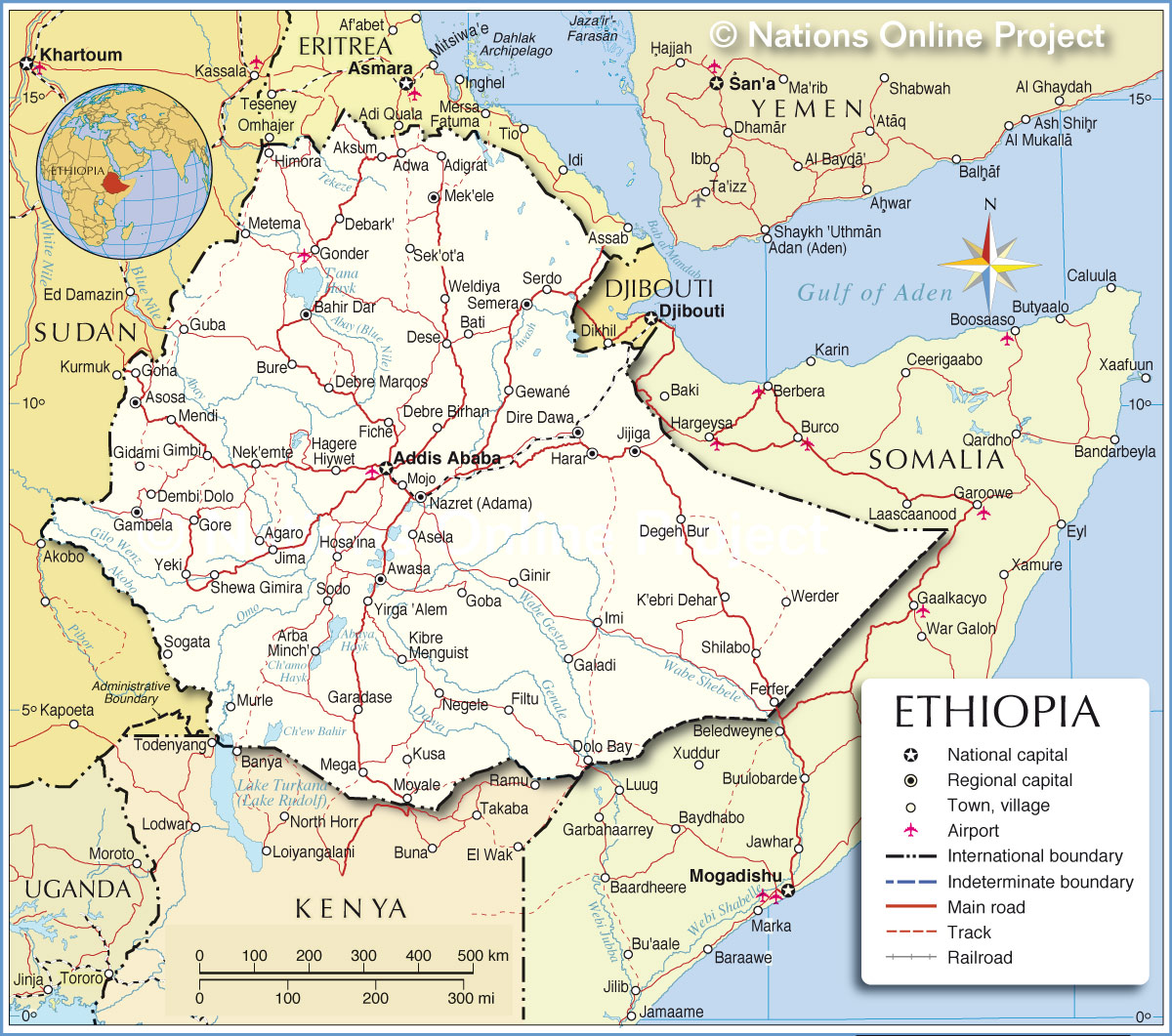
Every desk analyst in London and Washington loves a neat narrative. Ethiopia signs a peace deal in Pretoria, the guns quiet down for five minutes, a new coalition of disaffected militias forms in the highlands, and the commentariat reaches for the institutional typewriter: Ethiopia’s new rebel alliance faces an old problem. The lazy consensus writes itself. It goes like this: ethnic federalism is broken, the center cannot hold, and perennial insurgencies are simply the tragic, immutable weather of the Horn of Africa.
That analysis is comforting because it treats structural violence as a cultural inevitability. It is also completely wrong. In similar developments, read about: Nepal Flooding Crisis Exposes The Fatal Cost Of Structural Failure In Kathmandu.
The standard foreign policy brief treats Ethiopian insurgencies as stubborn weeds springing from ancient ethnic soil. I have spent enough time tracking security logistics across Addis Ababa, Mekelle, and the peripheries to know that bullets do not care about ancient hatreds; they care about supply lines, currency access, and who controls the fertilizer quotas.
Ethiopia does not suffer from an ethnic curse. It suffers from a command-economy hangover disguised as a republic. The New York Times has also covered this critical subject in extensive detail.
The Myth of the Unbreakable Center
Watch the structural incentives. For thirty years, political power in Ethiopia has meant economic oxygen. If you control the federal apparatus, you control the banking system, the import licenses, the telecommunications monopolies, and the foreign currency reserves. If you are locked out of Addis Ababa, you are locked out of modern commerce.
When western think tanks analyze a new rebel alliance, they count rifles, estimate troop movements, and map out ethnic demographics. They ignore the balance sheet. Every armed opposition movement in modern Ethiopian history—whether marching from Tigray, Oromia, or Amhara—is fundamentally a reaction against economic suffocation from the capital.
The traditional take claims that rebel coalitions fail because ethnic mistrust tears them apart from the inside. That is a symptom, not the disease. They fail or fracture because the state holds a monopoly on hard currency and formal trade networks, starving any peripheral coalition of the cash required to sustain a modern fighting force.
When a rebel alliance collapses, analysts nod sagely and blame historical ethnic animosities. What actually happened? Their logistical credit dried up because the central bank closed their informal trade corridors.
The Economics of Insurgency
Let us look at the mechanics. Modern insurgencies in the Horn do not run on ideology; they run on contraband, diaspora remittances, and agricultural commodities.
When the state centralizes fertilizer distribution or blocks cross-border livestock trade to punish a restive region, it instantly creates an underground economy that armed groups naturally step in to tax. The rebel commander becomes the tax collector, the customs agent, and the central banker for the local contraband trade.
To understand why new rebel coalitions keep forming despite repeated military defeats, you have to look at the opportunity cost of peace for a marginalized rural population. If the formal economy offers zero upward mobility and treats your region as an internal colony subject to arbitrary trade blockades, picking up a rifle is not an irrational descent into tribalism. It is a rational diversification strategy against total economic disenfranchisement.
The conventional pundits ask: How can Ethiopia overcome its deep ethnic divisions?
That is the wrong question. The question you should be asking is: How long can a state survive by treating fifty percent of its population as economic hostages?
Decentralization Without Liberty
Ethiopia’s current constitutional architecture is an administrative trap. It grants ethnic groups nominal self-determination on paper while concentrating absolute fiscal control in the executive offices of Addis Ababa.
This creates a high-stakes winner-take-all political market. If winning an election means you capture the entire machinery of state patronage and losing means your region gets cut off from international trade and banking, compromise becomes suicidal. Every regional elite knows that if they are not holding the knife, they are on the plate.
This is why every peace agreement signed in foreign capitals feels hollow within eighteen months. You cannot negotiate a permanent political settlement while maintaining an economic system that makes regional survival contingent on capturing the central palace.
Insurgencies are symptoms of a suffocated marketplace. Until political power is divorced from economic dominance—until regional actors can build wealth, trade internationally, and access capital without begging permission from federal ministries—the conveyor belt from marginalized farmer to insurgent fighter will keep running at full capacity.
The Cost of Elite Myopia
I have watched successive administrations in Addis Ababa fall into the same intellectual trap. They mistake military pacification for political legitimacy. They deploy drones, cut internet access, lock down banking sectors in rebellious zones, and declare victory when the front lines shift.
Six months later, a new acronym emerges in the hills, composed of younger, angrier fighters who watched their parents get economically wiped out by central government decree.
The political elite in the capital believe they are managing a multi-ethnic federation. In reality, they are running a zero-sum extraction racket. Every time they crush a rebel alliance through brute force and financial strangulation, they merely validate the underlying premise of the armed opposition: that the center will never share power voluntarily.
Stop waiting for ethnic harmony to descend upon the Ethiopian highlands. It is not coming, because ethnicity is not what is driving the machine.
As long as the state controls every valve of the economy, every excluded group will eventually pick up a wrench to try and smash the pipes.