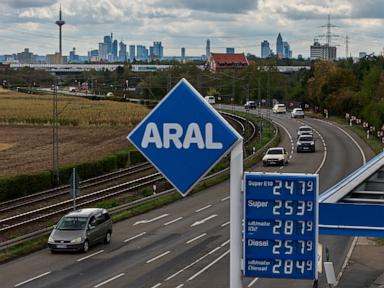
Brussels loves a good band-aid. Whenever energy markets convulse and pump prices spike toward the stratosphere, European policymakers reach straight for the emergency toolkit. Subsidies get pumped into retail prices, temporary tax holidays get slapped onto pump receipts, and environmental mandates get politely shoved into a drawer for another quarter. The official narrative claims this policy acrobatics cushions households from the brutal shock of expensive crude and tight refining capacity.
It is a lie. Or at least, a catastrophic misdirection that ensures chronic weakness. You might also find this similar article interesting: Why Eighty Nations Signing Declarations About Hormuz is Pure Theatre.
I have watched energy desks panic through every cycle since the mid-2010s, and the playbook never changes. Officials treat high fuel prices as a temporary weather anomaly rather than a permanent structural indictment of bad supply economics. By dampening the price signal with fiscal hand-outs and regulatory pauses, European capitals are actively subsidizing the exact consumption habits that created the vulnerability in the first place. You do not cure an addiction by handing out a bigger needle.
The Fatal Flaw of Cushioning Pain
The lazy consensus across economic columns insists that without state intervention, soaring fuel costs would trigger mass social unrest and grind transport sectors to a halt. Governments point to slashed fuel excise duties and direct consumer rebates as heroic acts of economic stabilization. As reported in latest coverage by Harvard Business Review, the implications are significant.
They are missing the core mechanism of free markets. High prices are not a glitch in the system; they are the system.
When fuel gets expensive, capital flees inefficiency. Fleets upgrade to high-efficiency logistics routes, manufacturers substitute raw inputs, and consumers reconsider unnecessary transit. The price spike acts as an aggressive, high-speed teacher. The moment a government steps in with a subsidy or a tax holiday, it mutes that teacher. It tells the market that pain is optional and scarcity is negotiable.
Imagine a scenario where a refinery bottleneck pushes diesel to historic highs. A rational market reacts by rapidly rationing demand and redirecting tanker flows to the highest-yielding nodes. Now inject billions in state subsidies to keep retail prices artificially low. Demand stays sticky. Refiners have zero incentive to accelerate maintenance or clear regulatory hurdles because the artificial consumption floor keeps margins intact without competitive pressure. You protect the consumer today by ensuring they pay double tomorrow through tax burdens and structural stagnation.
Regulatory Pauses As Cowardice
Policy pauses fare no better. When the European Union temporarily freezes green directives or waives specific blending mandates during a price crunch, officials act pragmatic. They pretend they are prioritizing human survival over bureaucratic purity.
In reality, they are signaling to global energy investors that European regulation is entirely subject to political panic.
Energy infrastructure requires multi-decade capital deployment. Refineries, terminals, and logistics hubs are not built on whim; they are calculated on long-term cash flow stability. If an energy major knows that a sudden spike in crude will cause the European Commission to rip up its own rulebook overnight, risk premiums skyrocket. Capital demands a higher return to offset regulatory volatility. By hitting the pause button on policy, Brussels makes the long-term cost of energy structurally higher, guaranteeing the next crisis will hit even harder.
The Real Question Nobody Asks
Observers love to ask: How can Europe protect vulnerable citizens from energy poverty without wrecking state budgets?
It is the wrong question entirely. It assumes the state's primary role during a supply crunch is to absorb the shock on behalf of the consumer.
The correct question is: Why is Europe's energy architecture so brittle that a routine geopolitical or refining squeeze pushes the continent to the fiscal brink?
The answer lies in a decade of regulatory overreach that throttled domestic refining capacity, penalized traditional upstream investments, and banked everything on a rapid, frictionless transition that the physical world simply refused to accommodate. You cannot regulate away the laws of thermodynamics by passing a directive in Strasbourg. When you tax domestic hydrocarbons out of existence and choke off local refining margins, you become entirely dependent on external shocks and the whims of global trade routes.
Actionable Reality Versus Political Theater
If you manage a logistics fleet, a manufacturing outfit, or an investment portfolio exposed to European transport, stop looking to Brussels for rescue signals. Their policy pauses are smoke and mirrors.
First, price in structural volatility. Subsidies have a fiscal expiration date. Once sovereign debt levels force governments to pull back the fiscal blankets, the snapback in retail fuel costs will be violent. Position your operations for high-floor energy pricing, not temporary relief dips.
Second, eliminate consumption models reliant on subsidized stability. If your business model depends on artificially suppressed diesel excise duties to stay solvent, your margins are built on sand. Shift capital toward genuine efficiency gains, alternative route optimization, and localized supply chains that bypass major refining bottlenecks.
Europe is trying to legislate away the realities of global supply and demand through temporary accounting tricks. It feels merciful in the short term. It is fatal in the long run.
The fix for high fuel prices is high fuel prices. Anything else is just buying time at exponential interest.


