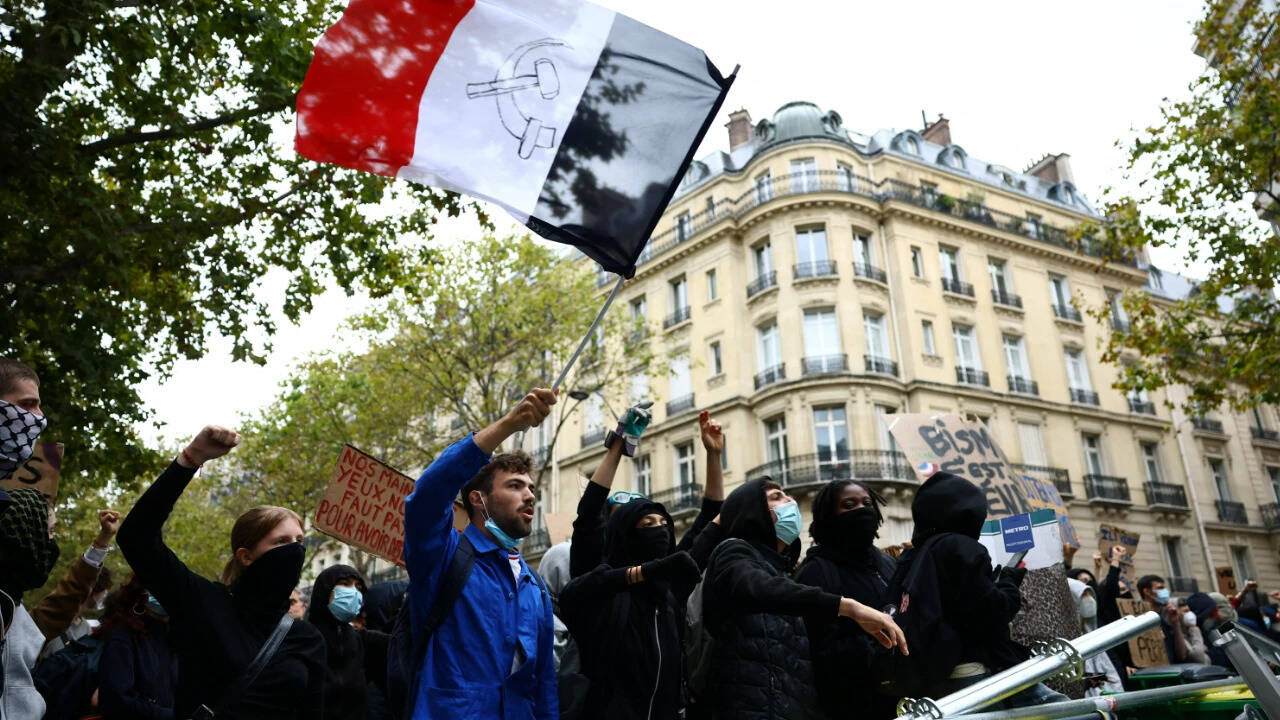
Across France, Italy, Belgium, and Greece, university lecture halls have emptied into the streets. Student protests are sweeping urban centers, driven by simmering anger over chronic funding deficits, deteriorating infrastructure, soaring living costs, and the creeping privatization of public education. This wave of unrest is not a sudden, isolated emotional outburst. It is the predictable culmination of structural neglect that has eroded the European higher education model for over a decade.
When state budgets tighten, public goods absorb the blow first. Universities across the continent find themselves operating under crushing austerity measures. Heating systems fail in Parisian lecture theaters. Roofs leak in Rome. Libraries in Athens lack basic digital subscriptions, while housing crises in Brussels leave thousands of undergraduates sleeping in cars or on friends' floors. Governments talk about modernization and global competitiveness, yet they starve the foundational institutions meant to produce that workforce.
The Anatomy of the Breaking Point
To understand why thousands of students are occupying administrative buildings and clashing with police forces, one must examine the economics of modern European student life. Inflation has outpaced stipends and family incomes. The cost of rent near major academic hubs has skyrocketed far beyond the reach of standard maintenance grants.
Consider a typical undergraduate in Lyon or Bologna. Tuition fees may remain nominally low compared to Anglo-Saxon models, but the hidden costs of attendance devour survival budgets. Energy bills for shared apartments have doubled. Public transit passes cost more. Campus cafeterias, once heavily subsidized sanctuaries of cheap nutrition, have reduced operating hours and raised prices to stay afloat. When a student must choose between buying textbooks and paying for electricity, the academic contract is already broken.
Governments often frame student mobilization as an annual ritual of youthful defiance, easily ignored until exams roll around and campuses quiet down. That dismissive framing ignores the wider socioeconomic reality. These demonstrations connect directly with broader labor strikes, agricultural blockades, and cost-of-living marches. Students are acting as the canary in the coal mine for a middle-class economic squeeze that affects entire populations.
Structural Decay Versus Political Rhetoric
Political leaders in Paris, Rome, Brussels, and Athens routinely offer platitudes about the sanctity of youth and the importance of innovation economies. Yet, public spending allocations tell a starkly different story. Over the past fifteen years, funding per student in real terms has dropped across multiple jurisdictions.
Universities have responded to budget shortfalls by chasing private partnerships, increasing reliance on precarious adjunct labor, and raising administrative overhead. The core academic experience suffers. Class sizes swell. Seminar discussions are replaced by massive lecture halls where engagement is impossible. Laboratories operate with obsolete equipment that resembles museum exhibits rather than modern scientific facilities.
Students see this decline every single day. They recognize that the degrees they are working toward carry diminishing returns in a job market that demands expensive postgraduate credentials while offering stagnant entry-level wages. The social contract of higher education—study hard, secure stable employment, and achieve upward mobility—is fraying.
The Regional Variations of Unrest
While the core grievances remain remarkably consistent, the manifestation of protest varies according to national political cultures.
In France, mobilization follows a deeply entrenched historical playbook. General assemblies vote on blockades, unions coordinate with student federations, and the streets of the Latin Quarter fill with tear gas and chanting crowds. The French state reacts with heavy-duty policing, feeding a cycle of escalation where structural economic complaints quickly morph into broader debates over civil liberties and police violence.
Italy presents a landscape of decentralized occupation. From Rome to Milan, students target symbolic centers of institutional authority and corporate sponsorship. Their rhetoric focuses heavily on the commercialization of knowledge, targeting university boards that prioritize corporate partnerships over public welfare.
Belgium splits along complex linguistic and regional fault lines, yet Brussels remains a focal point due to its concentration of federal institutions. Protests here frequently emphasize housing inequality and the severe shortage of affordable student accommodation in a city dominated by international bureaucracy and real estate speculation.
Greece carries a unique historical weight. The memory of the 1973 Polytechnic uprising remains a potent cultural touchstone. Greek universities historically enjoy a legal concept of academic asylum that restricts police entry, a rule that recent conservative governments have sought to dismantle. Consequently, protests in Athens are deeply ideological, centering on the defense of public higher education against market-driven reforms and state surveillance.
The Cost of Ignoring the Quadrangles
Authorities often hope that fatigue will set in, that final exams will distract the organizers, and that the movement will quietly dissipate. That strategy misreads the depth of the current grievance. You cannot legislate away an economic trap through administrative indifference.
If European governments fail to address the underlying funding crises, housing shortages, and income precariousness plaguing their universities, the unrest will not vanish. It will merely mutate, feeding political disillusionment and driving a generation of young citizens away from traditional democratic participation. The fires in the European quad are warning signals. Ignoring them invites a much deeper institutional crisis.