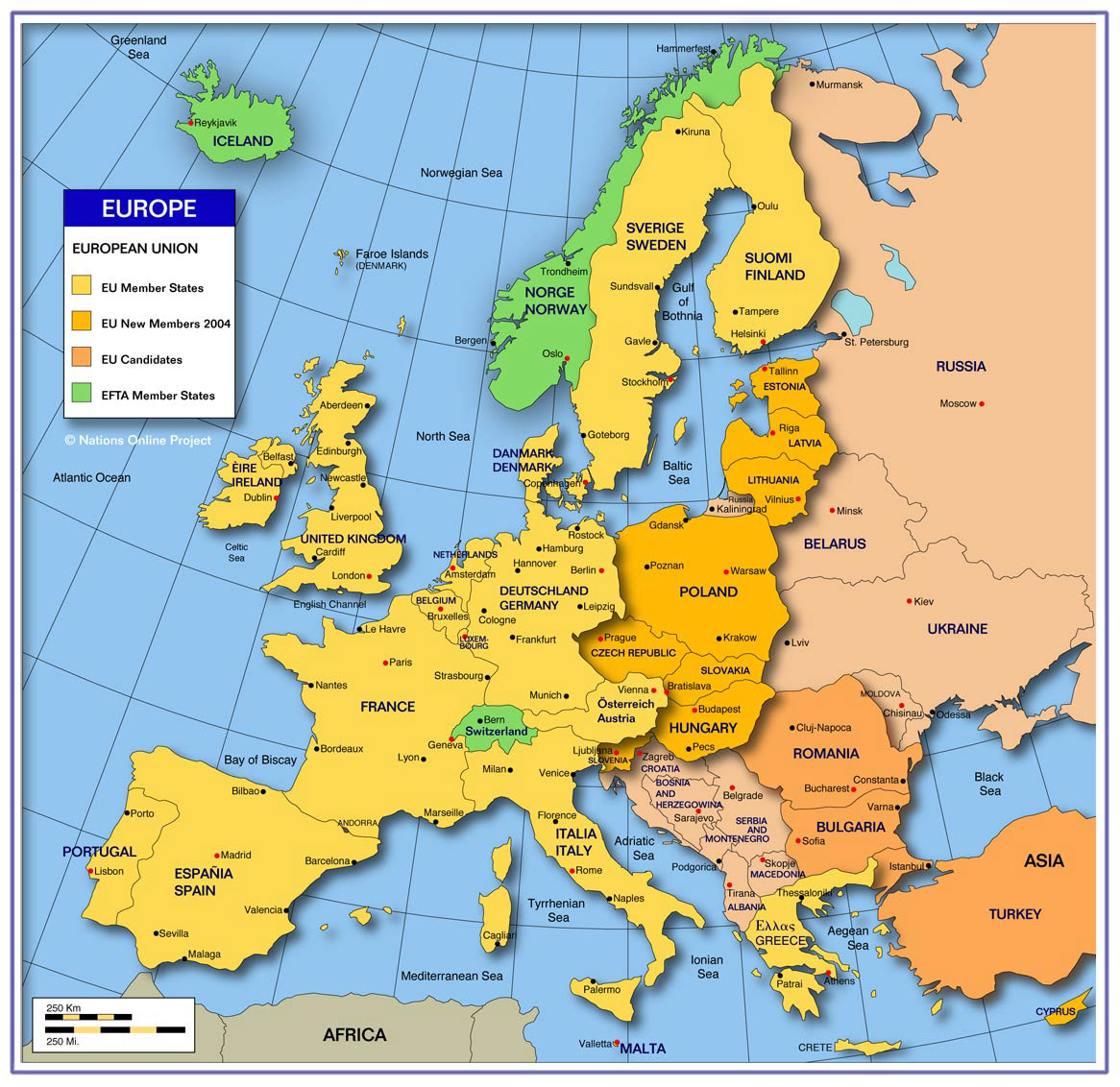
Every six months, the same tired lobbyist playbook gets dragged out of the Brussels archives. Dealmakers line up in sleek glass conference rooms, shaking hands and whispering sweet nothings to antitrust regulators about scale, global competitiveness, and the desperate need to forge European champions. The narrative sounds plausible on the surface. Fragmented markets mean fragmented companies, leaving Europe vulnerable to American goliaths and Chinese state-backed monoliths.
It is a comforting bedtime story for bureaucrats who mistake corporate gigantism for economic vitality. It is also entirely wrong.
I have spent the last fifteen years advising cross-border mergers in tech and telecommunications. I have watched boards burn hundreds of millions of euros trying to manufacture artificial scale through bureaucratic marriages of convenience. They promise massive cost efficiencies, streamlined operations, and global muscle. What they actually deliver are bloated organizational charts, paralyzed decision-making, and an open invitation for nimbler foreign competitors to eat their lunch while the legal teams are still arguing over office locations.
Europe does not suffer from a lack of corporate giants. It suffers from a systemic allergy to creative destruction.
The Myth of the Scale Obsession
The central premise of the European champion argument rests on a fundamental misunderstanding of how modern markets actually function. The lobbyists love to point to the United States and China as proof that bigness wins. Look at Silicon Valley. Look at Shenzhen. They have massive domestic single markets, so their companies scale infinitely. Therefore, the logic goes, European regulators must approve mega-mergers so domestic firms can match that heft.
This is cargo cult economics.
When a company grows large through regulatory fiat and cross-border consolidation rather than relentless product innovation, it stops competing and starts lobbying. The moment two sluggish incumbent telecom operators or industrial conglomerates merge to form a European champion, they do not suddenly out-innovate American software providers. They spend the next three years trying to integrate incompatible legacy billing systems and laying off mid-level engineers to meet margin targets promised to private equity sponsors.
Scale achieved through M&A is an anesthetic. It dulls the hunger that drives actual market dominance. Real market leaders do not beg regulators for permission to merge; they build products so compelling that consumers ignore borders entirely. Spotify did not become a global audio powerhouse by merging with European legacy radio conglomerates. It won because it solved a distribution problem that incumbents ignored.
Why Antitrust Regulators Have It Right for the Wrong Reasons
Brussels gets vilified for blocking these mergers. The complaint from the corporate suites is always the same: European rules stifle ambition, protecting domestic consumers at the expense of global champions.
Let us dismantle that whining.
European competition policy has historically prioritized consumer welfare and market access over nationalistic industrial policy. That is not a bug; it is the primary engine keeping European economies breathing. When you protect domestic monopolies under the guise of creating national or regional champions, you punish the local upstart. You create a moat that keeps foreign competitors out, yes, but it also keeps internal competition dead.
Imagine a scenario where two dominant European rail or defense contractors are allowed to merge into a single titanic entity. To satisfy regulators, they might spin off a minor subsidiary, but the core monopoly remains intact. Prices creep up. Innovation cycles stretch from months to decades. Small suppliers get squeezed on payment terms because the newly minted champion now holds monopsony power over its supply chain.
That is not strength. That is corporate feudalism.
The most vibrant sectors in Europe today are not the ones dominated by state-blessed champions. They are the fragmented, hyper-competitive software, fintech, and deep-tech clusters in cities like Stockholm, Tallinn, and Berlin, where garage startups fight tooth and nail for every user. They do not care about European champions. They care about fast APIs, clear regulatory sandboxes, and access to top-tier talent.
The True Cost of Corporate Consolidation
When dealmakers talk about synergies, translate that word into plain English: job cuts and reduced consumer choice.
Corporate history is littered with the rotting carcasses of mega-mergers that promised the moon and delivered bankruptcy court. When companies achieve scale via acquisition, their management teams pivot from product strategy to political management. The CEO becomes a diplomat, spending half their time in Brussels lobbying against impending regulatory fines and the other half managing internal turf wars between the merging factions.
Meanwhile, the nimble competitor from outside the bloc bypasses the regulatory machinery entirely. They do not need to merge with anyone. They deploy cloud-native infrastructure, target niche segments with laser precision, and capture the high-margin revenue streams while the European champion is still trying to figure out whose HR software to standardize on.
If European leaders genuinely want to compete on the world stage, they need to stop trying to engineer corporate dinosaurs.
What Actually Works
If you want a resilient economy, you tear down barriers instead of building bigger walls.
First, finish the capital markets union. It is an unsexy policy fix that gets zero headlines compared to a multi-billion-euro merger announcement, but it is the lifeblood of growth. A startup in Paris should have the exact same frictionless access to venture capital and institutional funding as a startup in Austin or Boston. Until European savings can flow freely across borders into high-risk, high-reward ventures, companies will continue to look to foreign markets for scale.
Second, ruthlessly enforce procurement openness. Stop awarding massive public contracts to domestic incumbents simply because their headquarters are within driving distance of government ministries. Force them to bid against the world. If they cannot win on merit and price, let them fail.
Finally, stop listening to executives whose primary business model is regulatory arbitrage. When a CEO tells you that a merger is essential for European sovereignty, check their stock options. They are not trying to save the continent; they are trying to engineer an exit strategy.
True champions are never manufactured in a boardroom by men in expensive suits shaking hands over legal documents. They are forged in the market, in the dirt, by founders who care more about solving a customer's problem than appeasing a competition commissioner.
Stop funding the past. Let the dinosaurs die.


