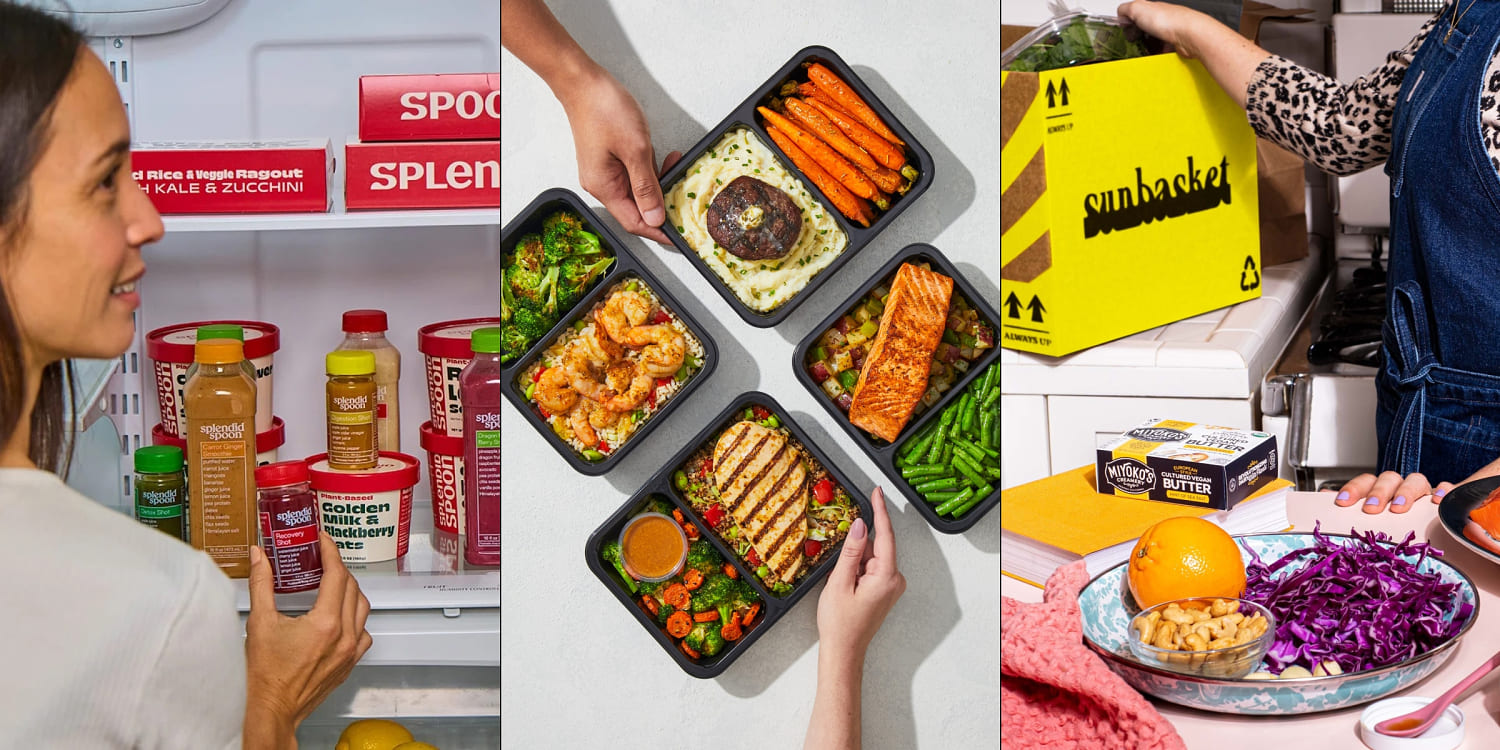
Choosing a plant based meal delivery service requires decoupling marketing narratives from operational realities. Consumers navigating this market face a fragmented supply chain characterized by divergent sourcing models, variable cold chain integrity, and hidden labor costs embedded in meal assembly. Most evaluations rely on subjective taste tests and surface-level pricing. This analysis provides a structured framework for auditing plant based meal delivery options by examining unit economics, nutritional density, supply chain logistics, and preparation complexity.
The Economic Architecture of Subscription Food Models
Evaluating the true cost of a subscription meal service demands an analysis beyond the base sticker price per serving. Direct-to-consumer food logistics operate under severe margin constraints driven by perishable inventory management, custom packaging, and last-mile delivery friction. Meanwhile, you can find similar developments here: Why Pennsylvania Doctors Lost Faith in the CDC Over Measles Deaths.
Subscription services generally fall into two operational tiers: prep-free ready-made meals and ingredient-kit models. Each structure imposes distinct financial and time costs on the consumer.
- Ingredient-kit models shift final labor execution to the consumer. While raw material costs appear lower, the hidden variable is time expenditure. Sourcing, chopping, combining, and cleaning convert a nominal per-serving price into a higher total cost when factoring in domestic labor hours.
- Ready-made models eliminate preparation friction through central kitchen assembly and blast-chilling. This model increases shipping overhead due to heavy gel packs and insulated liners required to maintain safe thermal ranges during transit.
Consumer expenditure must account for waste differentials. Ingredient kits frequently feature pre-portioned produce enclosed in single-use plastics, yet yield high rates of unused vegetable trimmings or spoilage if consumption schedules shift. Ready-made options reduce localized waste but lock the consumer into rigid portion sizes, which fail to accommodate variable caloric demands across athletic or sedentary cycles. To see the complete picture, check out the detailed article by Psychology Today.
Nutritional Density and Macronutrient Stability
Plant based diets present distinct nutritional engineering challenges, particularly regarding protein completeness, bioavailability of micronutrients, and lipid profiles. Commercial meal delivery services often prioritize shelf stability and broad consumer palate appeal over optimal nutritional integrity.
Evaluating nutritional quality requires analyzing three primary vectors:
- Protein architecture demands scrutiny. Plant proteins frequently lack complete amino acid profiles or suffer from lower digestibility scores compared to animal-derived equivalents. Effective meal designs combine complementary sources—such as legumes with pseudograins—to achieve indispensable amino acid thresholds without relying on ultra-processed texturized vegetable proteins.
- Micronutrient preservation degrades during thermal processing and transit. Ready-made meals that undergo commercial sterilization or prolonged hot-holding lose heat-sensitive vitamins, particularly vitamin C and specific B-complex variants.
- Sodium and lipid quality often compensate for the flavor reduction inherent in large-scale commercial cooking. High concentrations of refined seed oils and elevated sodium levels are frequently deployed to extend shelf life and enhance palatability, undermining the cardiovascular benefits associated with whole-food plant based diets.
Services that rely heavily on processed meat analogs frequently substitute saturated tropical oils (such as coconut oil) for unsaturated fats, shifting the lipid profile away from optimal cardiovascular parameters. A rigorous nutritional audit requires examining the ingredient declaration for whole-food integrity rather than relying solely on macronutrient summary panels.
Supply Chain Logistics and Sourcing Transparency
The integrity of a delivered meal depends heavily on the upstream agricultural supply chain and the downstream cold chain. Industrial plant based cooking relies on consistent access to seasonal produce, alternative proteins, and specialty grains. Disruptions in these supply tiers lead to unexpected ingredient substitutions, altering both the macro-nutritional profile and the allergen status of the final product.
Cold chain management represents a critical vulnerability in direct-to-consumer food distribution. Maintaining product safety across a multi-day transit window requires precise thermal management. When ambient temperatures fluctuate or carrier delays occur, perishable plant components—particularly cooked grains and prepared sauces—become susceptible to microbial proliferation long before reaching the consumer's refrigerator.
Sourcing transparency separates commodity-tier operators from premium providers. Producers utilizing hyper-local organic agriculture incur higher baseline costs but reduce post-harvest nutrient degradation. Conversely, operators sourcing from centralized commodity distributors achieve margin stability at the expense of traceability, increasing exposure to pesticide residues and post-harvest chemical treatments.
Operational Execution and Preparation Friction
The primary value proposition of a meal delivery subscription is the reduction of cognitive load associated with meal planning, grocery acquisition, and kitchen cleanup. However, the operational reality of different services varies widely.
- Inventory Turnover Velocity: Services operating with low inventory turnover frequently experience stockouts or rely on frozen storage for components that are marketed as fresh. High velocity kitchens minimize storage duration, preserving cellular structure in fresh produce.
- Kitchen Infrastructure Requirements: Ready-made providers demand minimal equipment, typically requiring only a microwave or conventional oven. Ingredient kits assume a fully equipped home kitchen with specialized tools, sharp cutlery, and precise thermal control appliances.
- Packaging Waste Generation: The logistical necessity of temperature control generates significant single-use packaging. Evaluating a service requires quantifying the volume of non-recyclable materials introduced into the domestic waste stream per caloric unit delivered.
Strategic Decision Matrix
Selecting an optimal plant based delivery provider requires mapping personal operational constraints against vendor capabilities. Consumers prioritizing time efficiency must absorb the higher financial cost and packaging footprint of ready-made, blast-chilled systems. Those prioritizing culinary engagement and micronutrient freshness should accept the labor overhead of structured ingredient kits.
Optimization of this category ultimately depends on recognizing that convenience is a purchased asset with clear trade-offs in financial capital, packaging waste, and nutritional optimization. Transitioning to a subscription model is a logistics management decision masquerading as a culinary choice. Aligning selection criteria with measurable operational parameters ensures that the chosen service delivers functional value rather than marketing illusion.