Hui Ka Yan is in handcuffs. The media is celebrating. They want you to believe this is a morality play where a greedy villain finally met his match. They are selling you a comforting lie.
By framing the Evergrande collapse as a simple story of fraud and bribery, we ignore the structural rot that made his rise—and inevitable fall—mandatory. If you think removing one man fixes the Chinese property market, you haven't been paying attention to how the gears actually turn. Hui Ka Yan didn't break the system. He was the system's most loyal, hyper-efficient servant until the music stopped. For another perspective, see: this related article.
The Myth of the Rogue Actor
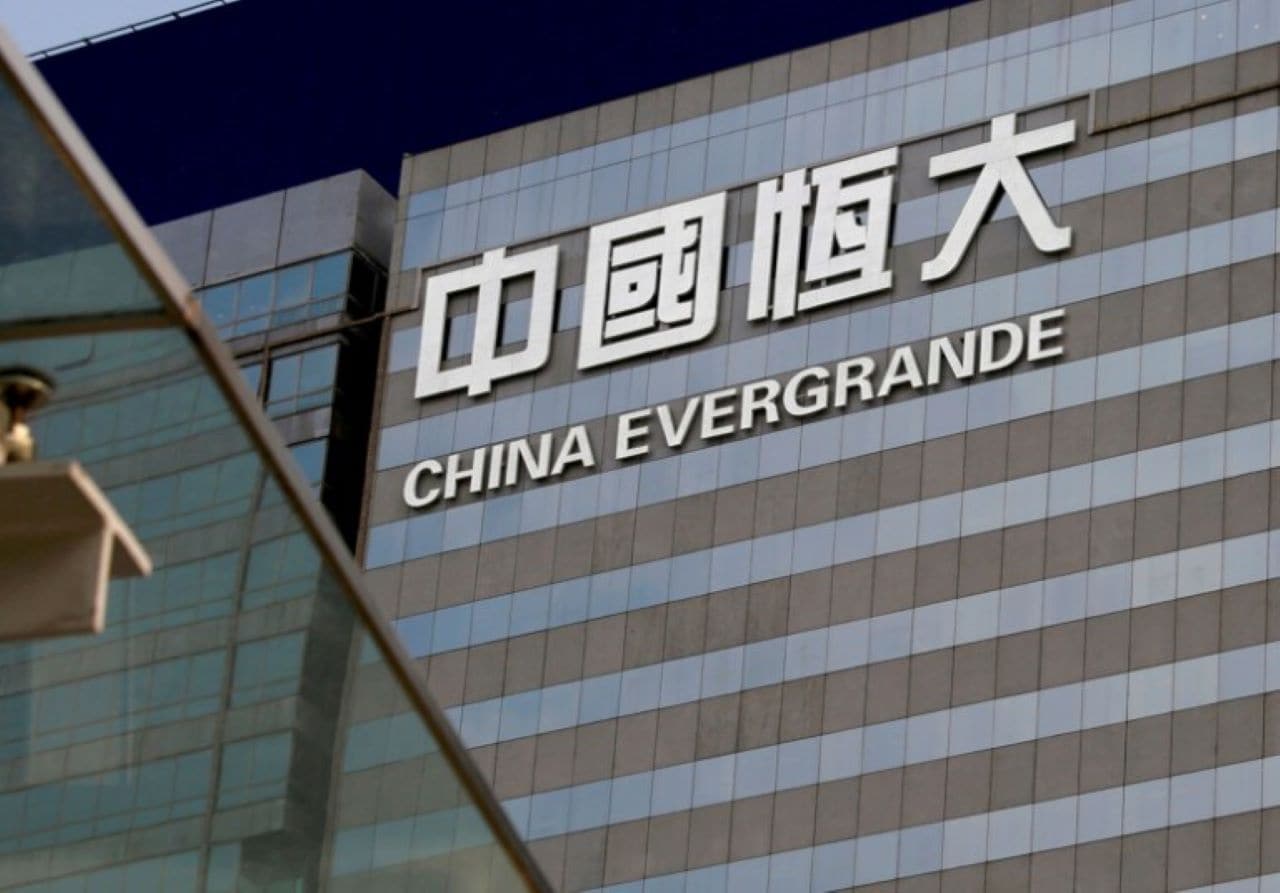
The prevailing narrative suggests that Hui Ka Yan hoodwinked regulators and investors through sheer deception. This is a fundamental misunderstanding of how the "Three Red Lines" policy interacted with the Chinese debt cycle.
For two decades, the Chinese economic miracle was fueled by a specific brand of alchemy: land sales. Local governments needed revenue. Developers needed land. Banks needed to lend. This wasn't a secret backroom deal; it was the national growth strategy. Hui Ka Yan simply ran the playbook faster and louder than anyone else. Similar reporting on the subject has been provided by Forbes.
When the state shifted the goalposts in 2020 with the Three Red Lines—restricting debt-to-cash, debt-to-equity, and debt-to-assets ratios—they didn't just catch a fraudster. They essentially outlawed the very business model they had encouraged for twenty years. Hui's "fraud" wasn't an anomaly; it was the desperate friction of a massive machine being shifted into reverse at 100 miles per hour.
Why Bribery Is a Distraction
The charges of bribery are being treated as a shocking revelation. In reality, they are a convenient legal tool to scrub the record.
In a system where land is state-owned and credit is state-controlled, "bribery" is often just the cost of doing business. Calling it a crime now allows the state to distance itself from the decisions made during the boom years. It creates a clean break: the state was "corrupted" by a bad actor, rather than the state being the primary architect of the bubble.
I’ve seen this pattern in corporate restructuring across global markets. When a massive entity fails, the easiest way to preserve the institution is to sacrifice the individual. By labeling Hui a criminal, the structural issues of the pre-sale model—where homebuyers pay for apartments that haven't been built yet—remain largely unaddressed in their core mechanics. The "Ponzi-like" nature of the real estate sector was a feature, not a bug, designed to maintain social stability through rising home prices.
The Pre-Sale Trap No One Is Fixing
If we want to talk about real fraud, let’s talk about the pre-sale system.
Evergrande’s true sin wasn't just lying on a balance sheet. It was utilizing the life savings of the middle class to fund corporate expansion. In most Western markets, escrow accounts are strictly regulated. In the Chinese property boom, those funds were often diverted to acquire more land and start more projects.
The media focuses on the "fraud" of inflated earnings. They should be focusing on the "fraud" of a system that allowed a developer to operate as an unregulated bank. Hui Ka Yan used your mortgage to buy his next plot of land. The regulators watched him do it because it kept GDP numbers high. Arresting him doesn't return that money, nor does it fundamentally change the fact that millions of people are still paying mortgages on "ghost" apartments that may never be finished.
The Math of the $300 Billion Hole
Let's look at the numbers without the emotional tint of the "guilty" plea. Evergrande’s liabilities exceeded $300 billion.
To put that in perspective, that is roughly the GDP of Romania. You do not reach that level of debt through a few "bribes" and some creative accounting. You reach it through a systemic addiction to leverage.
- Asset Liquidity: The "assets" on Evergrande's books were often overvalued land parcels in "Tier 3" or "Tier 4" cities where demand had evaporated.
- The Debt Spiral: As soon as the Three Red Lines hit, Evergrande lost the ability to roll over short-term debt.
- Contagion: The focus on Hui Ka Yan obscures the fact that Country Garden, Sunac, and dozens of other developers faced the exact same liquidity crunch.
Were they all "fraudsters"? Or was the environment they inhabited suddenly made toxic by a sudden policy pivot?
The Scapegoat Protocol
The guilty plea is a performance. In the Chinese legal system, a high-profile guilty plea isn't the start of a deep investigation; it's the conclusion of a pre-negotiated settlement. It serves two purposes:
- Public Catharsis: It gives the angry "mortgage strikers" a face to hate.
- Institutional Protection: It prevents a deeper audit of the state-owned banks that kept the credit taps open long after the warning signs were flashing red.
If Hui Ka Yan were truly a rogue agent, the contagion would have stopped at Evergrande. Instead, we see a systemic collapse. The truth is that Hui was the most visible symptom of a deeper malaise: a debt-fueled growth model that hit its natural limit.
The Actionable Truth for Investors
Stop looking for "the next Evergrande" and start looking at the "next Scapegoat."
When a sector is over-leveraged and state-dependent, the collapse always follows a specific pattern:
- Phase 1: Government-encouraged expansion.
- Phase 2: Sudden regulatory "rectification."
- Phase 3: Liquidity crisis.
- Phase 4: Criminalization of the top executive.
The "guilty" plea is the final bell. It signals that the state has finished its autopsy and is ready to move on, leaving the creditors and homeowners to fight over the scraps.
If you are waiting for a "recovery" in the property sector because one "bad apple" has been removed, you are falling for the oldest trick in the book. The orchard is on fire. The farmer just pointed at one tree and called it a traitor to distract you from the smoke.
Hui Ka Yan is going to prison. The $300 billion in debt isn't. It’s still there, sitting on the balance sheets of banks, the ledgers of local governments, and the broken dreams of the Chinese middle class.
The man is guilty of being the best at a game that was rigged from the start. Taking him off the board doesn't change the rules of the game.