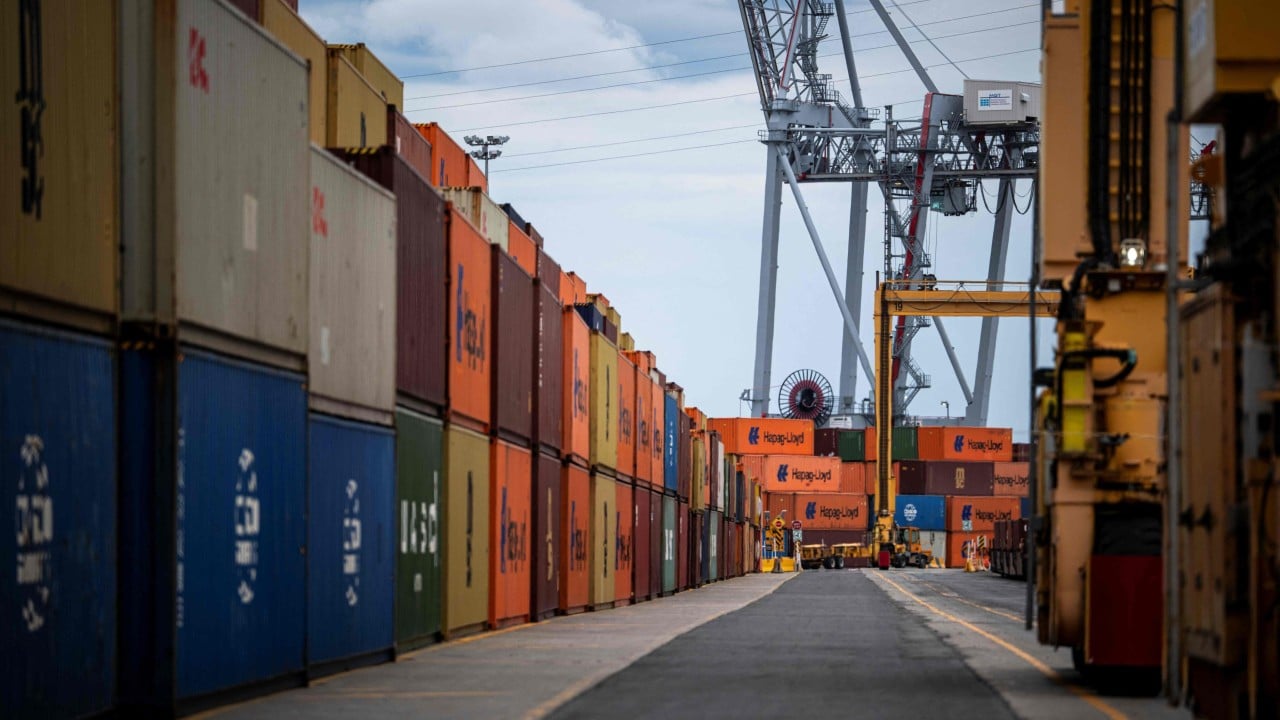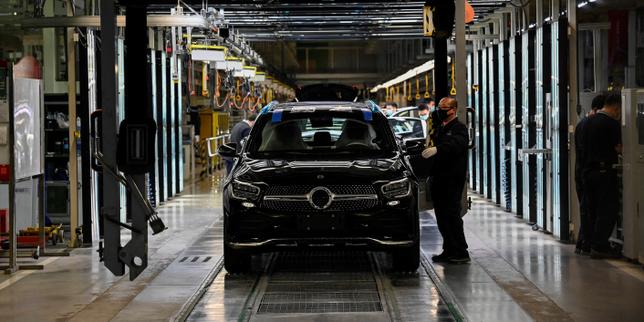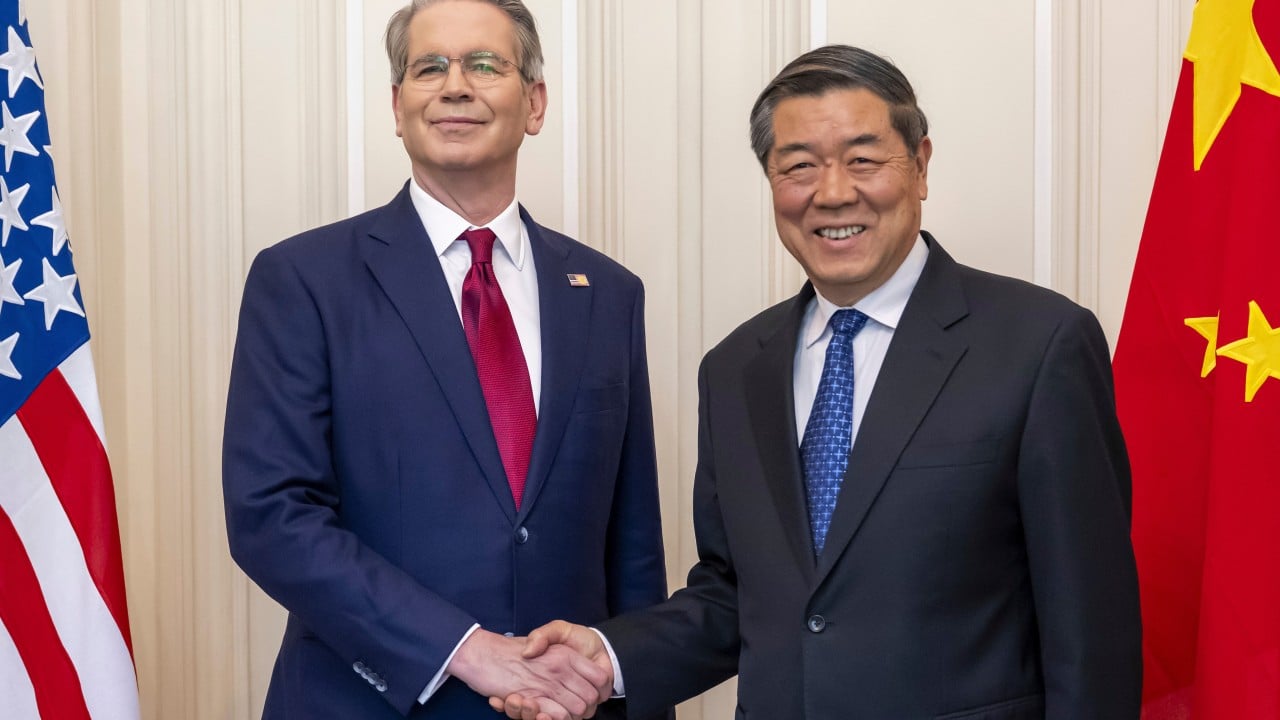
The financial commentariat loves a good diplomatic tea leaf reading. Whenever a Treasury nominee or high-level economic official meets a foreign counterpart ahead of a presidential summit, the media apparatus grinds into motion. Screens light up with breathless reports about de-escalation, tariff pauses, and the grand architecture of global trade harmony. It is a comforting narrative. It suggests that behind closed doors, technocrats are turning down the temperature, smoothing out the rough edges of geopolitical friction with polite conversation and mutual concessions.
It is also completely wrong.
Most market participants are looking at the reported weekend sit-down between Scott Bessent and He Lifeng through the smudged lens of conventional diplomacy. They think these talks represent a softening of positions, a prelude to a grand bargain, or a return to the pre-2018 era of predictable bilateral management. They are misdiagnosing the entire mechanism. Bessent does not need to charm Beijing, and He is not looking for an American endorsement. These engagements are not about building bridges. They are about mapping hard boundaries, stress-testing financial fault lines, and establishing the exact parameters of a managed economic decoupling.
When you strip away the diplomatic boilerplate, a much starker reality emerges. The consensus view misses the structural permanence of where global capital and national security now intersect.
The Fallacy of the Grand Bargain
For decades, the standard playbook for US-China economic friction followed a predictable arc. Tensions would flare over currency manipulation, intellectual property theft, or industrial subsidies. Markets would wobble. Then, a delegation of senior officials would retreat behind closed doors, trade minor concessions, issue a vaguely worded joint communique, and declare victory. Wall Street would rally, and everyone would return to business as usual.
That playbook belongs in a museum.
To expect Bessent or any other principal steering American fiscal and economic strategy right now to negotiate a return to the status quo ante is to fundamentally misunderstand the current administration's mandate. The ideological foundation of modern trade policy is no longer anchored in hyper-efficient global supply chains built on the cheapest possible labor arbitrage. It is anchored in economic resilience, national security, and industrial sovereignty.
When a Treasury official meets a top Chinese economic czar on the eve of a presidential visit, they are not haggling over percentage points on tariffs like merchants at a bazaar. They are testing the structural limits of financial deterrence. They are communicating red lines regarding capital flows, currency stabilization mechanisms, and dual-use technology dependencies.
Treating this as a soft-diplomacy charm offensive is dangerous for portfolios. When investors price in an imminent trade thaw based on a handshake photo-op, they are setting themselves up for a violent reality check when the next wave of export controls or investment restrictions drops.
The Weaponization of the Balance Sheet
Let us look at the actual mechanics of what is happening under the hood. For years, critics of modern trade policy warned that weaponizing the financial system would lead to a fragmentation of global reserve assets. They argued that if the US leaned too heavily on sanctions, SWIFT exclusions, and outbound investment screening, foreign powers would simply dump Treasuries and build alternative financial architectures.
They were right about the fragmentation, but wrong about the outcome.
We are living through the messy reality of that transition right now. The bilateral relationship is no longer governed by trade volumes alone; it is governed by a balance-sheet cold war. Every meeting between Washington and Beijing is a high-stakes calibration of financial exposure.
When Bessent sits across from He Lifeng, the conversation is fundamentally about risk thresholds. How much pain can Beijing absorb in its property sector and domestic banking system while trying to pivot its economy toward high-end manufacturing? How aggressively can Washington restrict inbound capital from funding military-industrial tech without triggering unintended liquidity shocks in global bond markets?
These are not questions answered by compromise. They are questions answered by asymmetric pressure. The side with the greater macroeconomic endurance and the clearer strategic focus sets the terms. Pretending that a weekend diplomatic encounter alters this fundamental power dynamic is wishful thinking disguised as analysis.
Dismantling the De-Escalation Myth
The most damaging misconception floating around trading desks right now is that political leaders will ultimately blink because a trade conflict hurts corporate earnings. This anthropomorphizes nations into profit-maximizing entities. They are not. They are survival-maximizing entities.
National security considerations routinely trump quarterly earnings per share. When policymakers look at supply chain chokepoints in critical minerals, semiconductors, and pharmaceutical ingredients, they do not see a cost-efficiency problem. They see an existential vulnerability. No amount of polite boardroom diplomacy is going to convince a government to outsource its strategic independence for the sake of a smoother quarterly margin.
Therefore, expecting a breakthrough that rolls back structural tariffs or dismantles outbound investment controls is a fool's errand. The structural barriers going up today are not temporary negotiating tactics. They are permanent architectural changes to the global economic order.
If you are positioning your capital for a return to frictionless globalization based on optimistic headlines from high-level summits, you are driving while staring entirely in the rearview mirror. The road ahead is walled off, and the toll is paid in resilience, not efficiency. Stop looking for peace treaties where none will be signed, and start pricing in the permanent friction of a divided economic world.