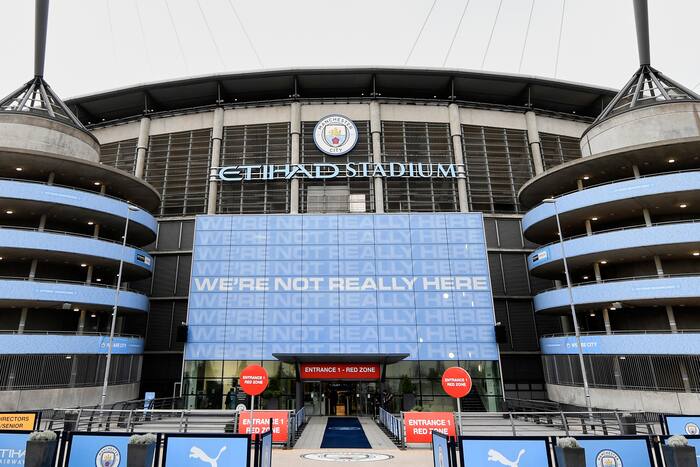
Football governance is broken and the mainstream outrage surrounding Manchester City proves that the public prefers a comforting narrative over basic economics.
When the news broke about City lodging a comprehensive appeal following their latest disciplinary brush with Premier League officialdom, the reaction followed a predictable script. Pundits reached for their moral high horses. Fans demanded points deductions, relegations, and the stripping of medals. The lazy consensus is that an oil-rich club bought its way to the top by breaking the rules, destroying the pure competitive integrity of the sport. Learn more on a related subject: this related article.
That argument is lazy, historically ignorant, and economically illiterate.
Let us start with the core misconception that financial regulations in modern football exist to protect fairness. They do not. They exist to protect the status quo. The established cartel of historic clubs realized two decades ago that they could not outspend the new wave of sovereign and billionaire investment on the pitch. So, they did what any entrenched monopoly does. They pulled up the drawbridge and called it fair play. Additional reporting by The Athletic explores comparable views on this issue.
I have spent years watching corporate boardrooms panic when upstarts bypass traditional gatekeepers. When Manchester City rebuilt their entire operational structure from the academy grounds up, they were not just spending money. They were modernizing a dinosaur industry. The complaint was never about the volume of cash injected; it was about the efficiency of the deployment.
Look at the mechanics of the charges. Critics scream about inflated sponsorships and hidden revenue streams as if City invented creative accounting. Every major commercial enterprise utilizes financial optimization. Yet, when a football club applies modern corporate structuring to a sport historically run by blazers and old boys networks, it is treated as a sin against the game.
The irony is that strict spending caps guarantee the permanent dominance of the historical elite. If you limit how much a club can invest relative to its existing commercial revenue, you mathematically lock the past into the future. Liverpool, Manchester United, and Arsenal built their commercial footprints across decades of dominance. A new owner cannot simply bridge that gap through immediate capital injection without running straight into a regulatory wall.
That is why City fights these charges so aggressively. This is not just about defending a trophy cabinet. It is an existential war over whether football belongs to a closed-shop aristocracy or an open meritocracy of capital.
Admitting this truth requires confronting the downside of the contrarian view. Unchecked spending can indeed distort domestic leagues if owners pull out abruptly, leaving clubs stranded. But the current regulatory framework does not solve that risk. It merely shields inefficiently run legacy brands from hungry competitors who actually know how to build a winning machine from the ground up.
Stop pretending this is a battle between good and evil. It is a turf war between the past and the future, and the past is terrified of losing.