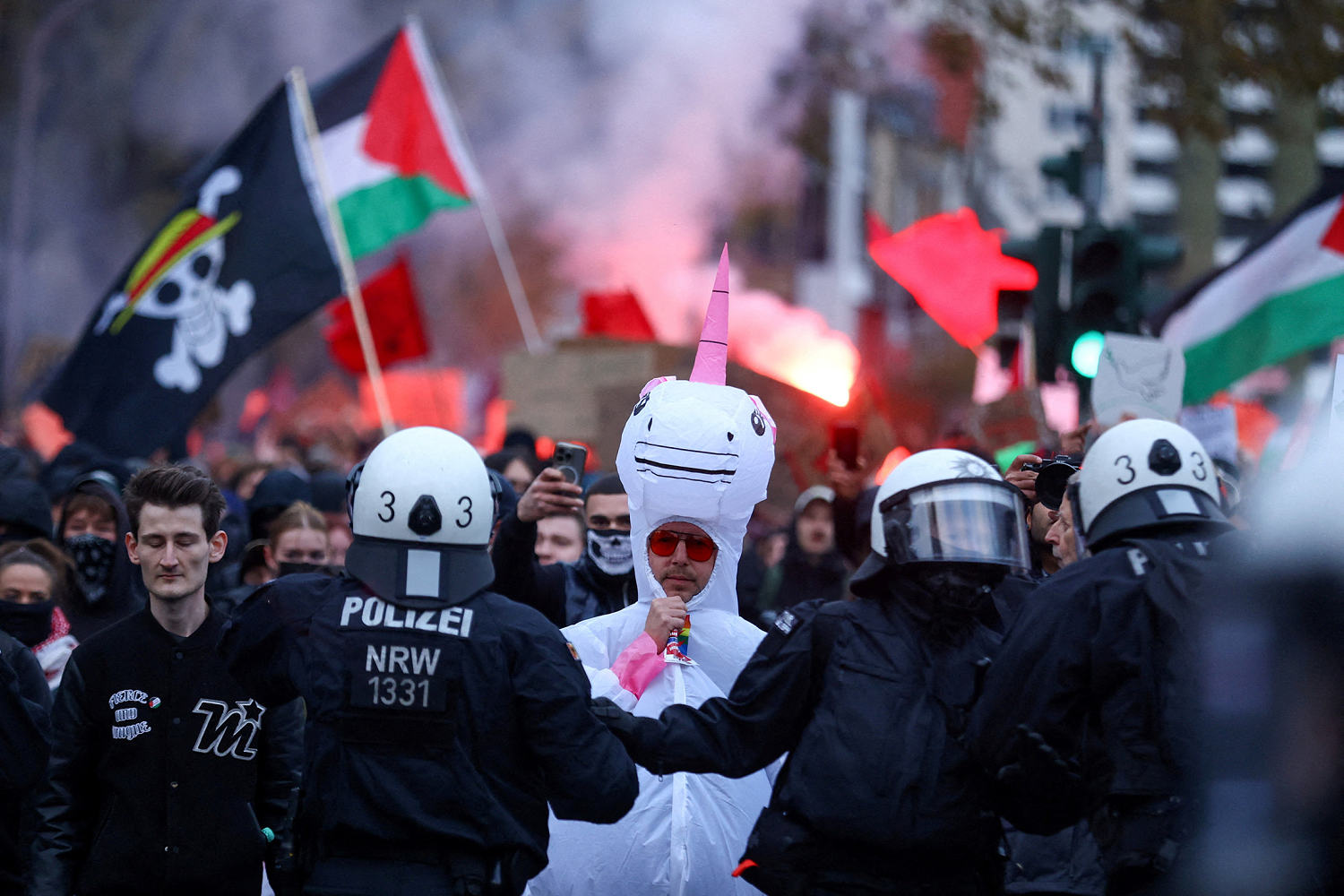
The footage loops endlessly on every major network. Pavements torn up, tear gas blooming like sickly flowers in side streets, lines of riot police locked in mechanical choreography against figures in black hoodies. The narrative writes itself before the ink is dry. Riots erupt. Violence overshadows the message. Property damage alienates the public.
It is the laziest, most intellectually bankrupt framing in modern journalism. Also making headlines recently: Inside the European Street Protests That Mainstream Coverage Misses.
Watch any mainstream broadcast covering the unrest in France and you will hear the same exhausted refrain about masked agitators hijacking a legitimate movement. You will hear lamentations over the loss of civil discourse, coupled with hand-wringing about property destruction.
Strip away the moral panic and look at the actual mechanics of political leverage. Additional insights into this topic are covered by NPR.
The standard critique assumes that a protest movement succeeds through polite persuasion, moral high ground, and public relations wins. History offers a different lesson entirely. State power in centralized European democracies does not negotiate with sentiment. It negotiates with disruption. When civil disobedience remains entirely comfortable, polite, and contained within government-sanctioned zones, it functions less like resistance and more like a scheduled parade. The state absorbs the noise, waits for the permit to expire, and passes the legislation anyway.
Violence and property destruction are not anomalies that accidentally ruin protests. They are the high-cost transaction fees required to force an otherwise insulated political class to the bargaining table.
Let us be precise about terms. No one is endorsing vandalism as a standalone aesthetic. The point is structural. When millions of citizens march peacefully for weeks and encounter a brick wall of institutional silence, the state signals that orderly dissent carries zero economic or political cost. Once dissent carries zero cost, the state has no incentive to alter its trajectory. The introduction of unpredictability, chaos, and economic friction changes the math.
I have watched policy teams and corporate lobbyists panic not when opponents hold sign-waving rallies outside office buildings, but when supply chains stutter, public assets require heavy security spending, and the daily rhythm of commerce grinds to a halt. Power responds to leverage. And leverage is born from the credible threat of systemic disruption.
Consider a scenario where every major labor reform or pension adjustment in France over the last three decades was met exclusively with quiet, orderly marches along pre-approved Parisian boulevards. The retirement age would have risen to seventy years ago, and fuel taxes would be double what they are today. The modest concessions won by French workers were never handed down out of administrative benevolence. They were conceded because the alternative was structural paralysis.
The media focuses on the broken windows because broken windows are easy to film. They provide clear villains and clear victims, translating a complex, grinding structural conflict into a simple narrative of law and order. It is an effective anesthetic. It directs public anger downward—at the masked youth throwing cobblestones—instead of upward, at the legislative chambers that forced citizens into desperate measures in the first place.
When you ask why protests turn violent, you are asking the wrong question. The real question is why the political apparatus requires systemic disruption to acknowledge public consent.
Until we stop pretending that states surrender power because citizens ask nicely, our analysis of civil unrest will remain completely useless. The smoke in the streets is not a distraction from the politics. It is the politics made visible.