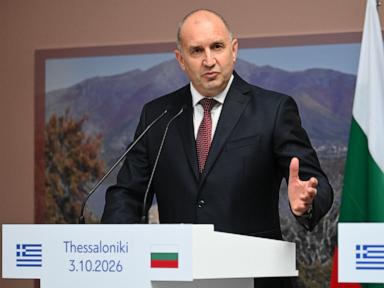
The headlines write themselves because they are designed to be printed. A protester is shoved, a politician sneers from a podium, the crowd roars, and the internet erupts into synchronized moral panic. Every major newsroom treats these outbursts as spontaneous moral failures, tragic fractures in the fragile vase of civic discourse. That framing is naive, lazy, and fundamentally wrong.
What the pundit class insists on calling an accident of chaos is actually a meticulously engineered feedback loop. Nobody on either side of the barricade is losing control. They are playing their assigned parts in a live-action broadcast meant to monetize attention, cement tribal loyalty, and crowd out any substantive policy debate. If you are still clutching your pearls every time a rally turns physical, you are falling for the oldest trick in the political marketing playbook.
The Economics of Outrage and the Manufactured Maelstrom
Let us look past the righteous editorials and examine the incentive structure. Modern political campaigns do not run on persuasion. Persuasion is expensive, tedious, and yields diminishing returns in a polarized electorate. Campaigns run on emotional arousal. Fear and anger spike cortisol, and cortisol drives engagement, shares, and campaign donations.
When a protester infiltrates a rally, they are rarely seeking a genuine dialogue with the candidate or the audience. They are looking for a reaction. They want the viral clip. They need the confrontation to validate their own narrative of oppression. Conversely, the candidate and the crowd need the disruption to reinforce the siege mentality that keeps the base galvanized.
I have watched strategists on both sides map out media cycles where conflict is treated as a paid advertising buy. A controlled confrontation generates millions of impressions across social media platforms for zero media spend. The punch, the mock, the subsequent outrage cycle—it is all organic top-of-funnel marketing. Pretending this is an unexpected breakdown of democracy ignores the financial reality of modern political entertainment.
The Myth of the Unbiased Observer
The media loves to frame these incidents through the lens of a neutral referee calling balls and strikes. This is an illusion. Journalists profit directly from the spectacle. Every breathless dispatch about a fractured crowd or a mocking retort from the stage is oxygen for a struggling business model.
When commentators demand decorum, they are engaging in performative hand-wringing. They do not want civility; civility kills ratings. They want the adrenaline rush of the brawl while maintaining the moral high ground of condemnation. It is hypocritical to spend twenty-four hours dissecting a ten-second altercation while ignoring the structural policies and economic realities that actually impact citizens' daily lives. The punch is the shiny object dangled in front of an audience to distract them from asking harder questions about why our institutions are failing.
The Complicity of the Crowd
We must also talk about the spectators, both inside the arena and behind glowing screens. The modern voter does not want a statesman; they want an avatar. They want a champion who will fight dirty on their behalf. When a leader mocks a heckler, the crowd does not cringe; they cheer because it feels like a victory against a hostile cultural elite.
This creates a dangerous feedback loop of escalation. Each side treats every escalation as defensive retaliation for the other side's transgressions. There is no bottom to this race because winning is defined solely by how thoroughly you can humiliate your opponent.
Stop pretending these spectacles are anomalies. They are the core product. The politics of grievance and physical confrontation will not disappear because we write sternly worded op-eds about political etiquette. They will only stop when voters starve the machine of its primary fuel: our undivided, outraged attention.
Look away from the stage. Ignore the bait. Stop sharing the clips. That is the only disruption that terrifies the architects of this theater.