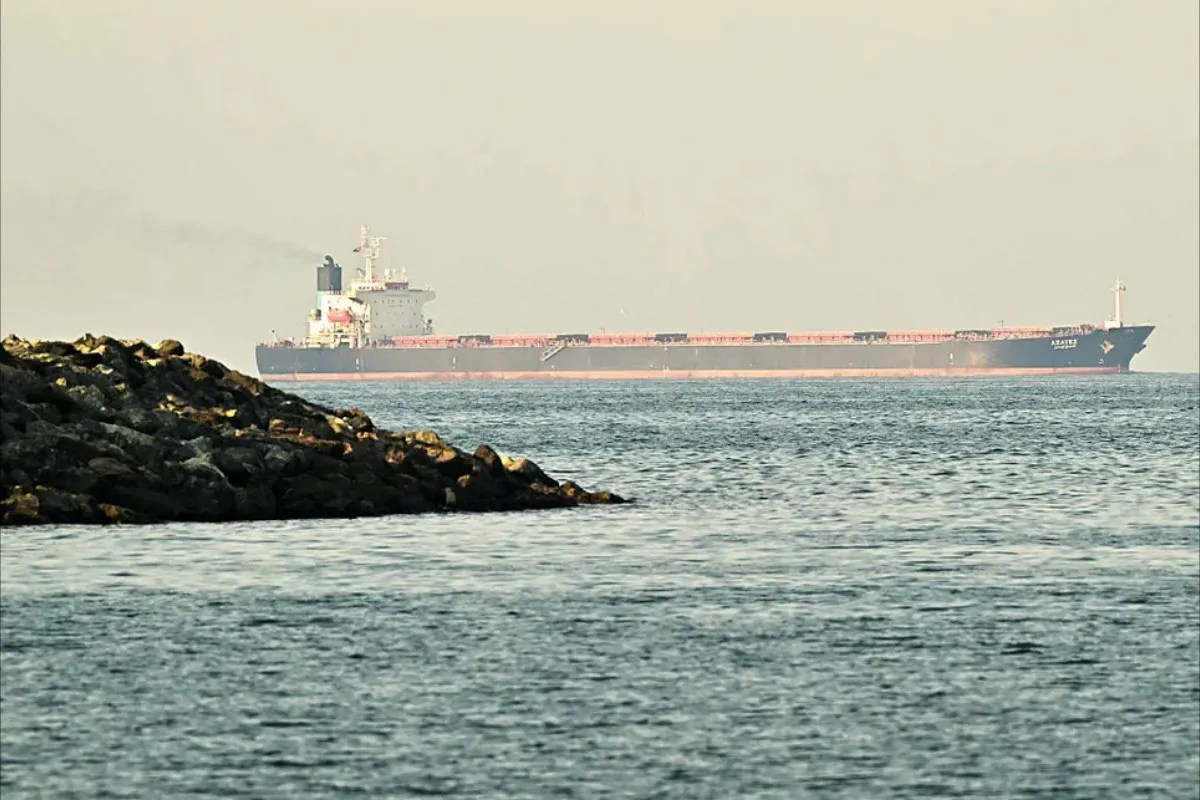
Every single time a tanker smudges its paint against a rogue wave, a stray piece of flotsam, or an unexploded relic in the Strait of Hormuz, global media outlets lose their minds. The reflex is instantaneous. Headlines scream about naval mines, impending economic doom, and a choked artery of global energy. Iranian media drops a cryptic claim, Western markets panic, crude futures spike three dollars before lunch, and analysts who haven't smelled salt water in decades start drawing arrows across maps of the Middle East.
It is exhausting. And it is fundamentally wrong. Meanwhile, you can read similar events here: Why the Berlin Pride Shooting Coverage Misses the Real Crisis.
The lazy consensus treats the Strait of Hormuz like a fragile glass bridge over an active volcano. The reality is far more resilient, far more cynical, and entirely detached from the day-to-day theater that traders use to justify their morning volatility trades.
I have watched desks panic over shadows in this exact corridor for over a decade. I have seen firms burn millions hedging against blockages that were logistically impossible from day one. Let’s strip away the panic and look at the brutal, unvarnished mechanics of why a localized blast in the world’s most watched choke point rarely means what the news anchors want you to believe. To explore the complete picture, we recommend the detailed analysis by NBC News.
The Myth of the Fragile Choke Point
The standard narrative paints Hormuz as a narrow, easily sealed bottleneck. At its narrowest point, the shipping channel is about twenty-one miles wide. That sounds tight until you realize inbound and outbound traffic lanes are separated by a two-mile buffer zone, and the actual deep-water navigable channels used by supertankers are heavily monitored, heavily patrolled, and wide enough to accommodate the largest vessels afloat.
When a blast occurs—whether blamed on a naval mine, a mysterious hull breach, or an internal mechanical failure—the immediate reaction is to assume a systemic threat to global commerce.
This is amateur hour logic.
Blockade math does not work the way cable news hosts think it does. Closing the Strait of Hormuz requires sustained, high-intensity military dominance over a multi-layered coalition of naval forces that treat that body of water like their primary living room. It is not something you achieve by dropping a rusty Soviet-era contact mine near the Omani coast and hoping for the best.
A mine strike or a hull explosion is almost always tactical noise, not strategic signal. It causes localized insurance anxieties, not a permanent structural halt to the global flow of hydrocarbons.
The Insurance Racket and the Real Beneficiaries
Follow the money. Whenever a tanker gets clipped, who actually suffers, and who quietly profits?
The moment a minor explosion hits a vessel in the Persian Gulf, marine insurance underwriters immediately slap exorbitant war-risk premiums on every hull transiting the region. Shipping companies groan publicly, pass the costs down the line, and pocket the margin protection. Energy traders manufacture a supply anxiety narrative, drive up spot prices, and clean up on derivatives.
The physical oil keeps moving. Volumes might dip for forty-eight hours while port authorities conduct hull inspections and insurers perform risk assessments, but the barrels still find their way to buyers. The market is liquid, adaptable, and ruthlessly efficient at routing around friction.
Imagine a scenario where a total, sustained closure of Hormuz actually happened. Global GDP would take a massive hit, yes. But the nations threatening closure know this better than anyone else. Iran relies on those exact same waters to move its own sanctioned crude out to clandestine buyers via dark-fleet tankers with their transponders turned off. Choking Hormuz is economic suicide for Tehran. They want leverage, not a total economic blackout that starves their own state budget. They want to rattle the cage just enough to move prices in their favor, not break the lock entirely.
The Redundancy Reality Nobody Mentions
For years, regional powers have systematically engineered workarounds specifically designed to bypass the Hormuz anxiety cycle altogether.
Look at the infrastructure investments made by Saudi Arabia and the United Arab Emirates. The East-West Pipeline (Petroline) in Saudi Arabia can pump millions of barrels of crude straight from the eastern fields to the Red Sea port of Yanbu, bypassing the Persian Gulf entirely. The Habshan-Fujairah oil pipeline allows the UAE to export oil directly to the Gulf of Oman, completely sidestepping the strait.
These bypass routes are massive shock absorbers. When the market panics over a scratched hull in Hormuz, it completely ignores the spare capacity sitting idle in land-based pipelines precisely built for this exact contingency.
Market participants choose ignorance because panic is profitable. If you trade energy futures, a boring reality where oil flows smoothly around localized incidents destroys your quarterly volatility bonus. So, the narrative persists. Every minor bang is inflated into an existential crisis.
Stop Trading the Noise
If you are positioning your portfolio or your operational logistics based on the latest sensational headline out of the Persian Gulf, you are playing a game rigged by people who know the difference between a real naval blockade and a localized maritime incident.
The next time a headline breaks about a tanker collision or a mysterious blast in the strait, look at the actual physical flows, check the pipeline capacity utilization, and watch how fast the insurance industry adjusts its rates once the initial dust settles.
The system is designed to absorb shocks. Stop betting against it just because the news anchor forgot how big the ocean is.


