When a routine traffic stop spirals into a violent collision, the immediate aftermath rarely stays simple. That reality hit home in Dartmouth and Halifax when an ordinary morning commute turned into a chaotic crime scene involving a fleeing truck, a badly injured driver, and an inevitable referral to Nova Scotia's independent police watchdog.
If you live anywhere near the Halifax Regional Municipality, headlines about the Serious Incident Response Team (SiRT) stepping into a case probably sound familiar. But what actually happens behind the scenes when a police watchdog takes over a crash investigation? Let's break down why these cases draw immediate independent scrutiny and what the process actually means for public accountability.
The Anatomy of a High-Stakes Chase Gone Wrong
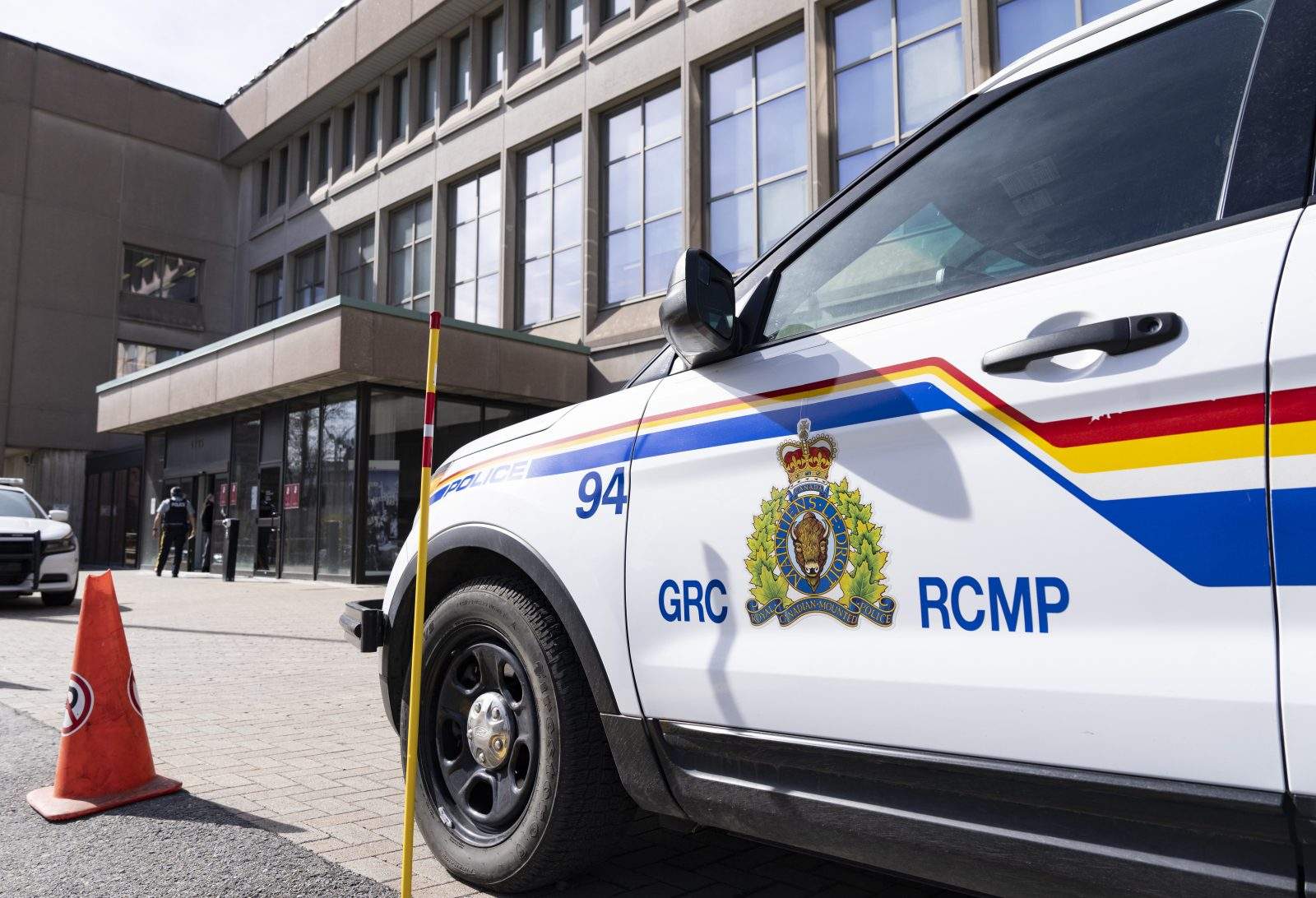
The incident started when Halifax Regional Police attempted to pull over a vehicle. Instead of yielding to emergency lights and sirens, the driver of a newer-model black Ford F-150 kept going. What followed was a dangerous sequence that ended at a Dartmouth intersection, where the suspect truck smashed into another vehicle driven by a 58-year-old man.
The impact left the innocent driver with serious injuries requiring emergency hospitalization. Meanwhile, the truck managed to flee across the A. Murray Mackay Bridge toward the Halifax peninsula, leaving investigators scrambling for dashcam footage and eyewitness reports.
Here is where the public often gets confused. People ask why police are under investigation if they weren't even driving the vehicle that caused the crash. The answer comes down to one critical factor: police involvement prior to the impact.
Why SiRT Steps In Automatically
Independent civilian oversight isn't optional when police cruisers are tailing a suspect who crashes. In Nova Scotia, SiRT has a clear mandate. Whenever police actions, pursuits, or interactions result in serious injury, death, or allegations of sexual assault, the police department must hand the file
Why Accountability in Halifax Matters When the Police Watchdog Steps In
news
Trust in law enforcement is fragile. When a vehicle strikes a pedestrian and the driver vanishes into the night, the stakes are already high. But when the car involved belongs to law enforcement, or an officer is directly linked to the chaos, the dynamic shifts entirely. That's precisely why independent oversight becomes non-negotiable.
Nova Scotia's Serious Incident Response Team, commonly known as SiRT, steps into situations where standard police investigations simply won't cut it. Public confidence depends on transparency. If an alleged hit-and-run in Halifax involves police scrutiny or direct personnel overlap, the investigation cannot police itself.
What Happens When Oversight Steps In
People often misunderstand the role of an independent civilian-led watchdog. They aren't internal affairs units hiding behind a badge. They operate at arm's length from municipal and provincial police forces. When an incident occurs that results in serious injury, death, or significant public interest—such as a suspected collision involving law enforcement duties or equipment—the watchdog takes over the primary investigative mandate.
Halifax has seen its share of tense moments regarding police accountability. Trust doesn't just happen because an agency exists; it's earned through open findings and clear timelines. When an alleged hit-and-run triggers a watchdog probe, investigators immediately seize control of evidence. They look at cruiser telemetry, dashcam footage, independent security cameras from local businesses, and civilian witness accounts.
Transparency matters because the public notices double standards. If a regular citizen flees a collision, the legal consequences move swiftly. The community expects the exact same rigor when badge numbers or departmental vehicles enter the equation.
The Reality of Investigating Complex Collisions
Reconstructing a hit-and-run is notoriously difficult. Physical evidence disappears fast. Paint chips, skid marks, and bumper fragments vanish within hours if weather conditions turn bad or street sweepers clear the pavement.
Investigators face massive hurdles right out of the gate:
- Locating reliable eyewitnesses who can separate fact from panic in a chaotic street scene.
- Pulling commercial video feeds that might only capture grainy silhouettes of a fleeing vehicle.
- Securing digital logs if the vehicle utilizes active tracking systems or automated dispatch logs.
Time is the enemy here. Every hour the suspect vehicle stays hidden makes finding definitive forensic links harder. Independent watchdogs have the legal mandate to demand records that local departments might otherwise keep tightly guarded, but even they battle the physical limitations of late reporting.
Why Public Scrutiny Keeps Pressure on Authorities
Silence breeds suspicion. When details trickle out slowly, rumors fill the vacuum. Local residents deserve clear, unvarnished updates about what investigators are doing, which streets are blocked, and whether a public safety threat remains active.
Accountability isn't just about punishing wrongdoing after the fact. It acts as a deterrent. It sends a message that authority doesn't grant immunity from the basic rules of the road or the criminal code.
If you live in the Halifax area and witnessed anything unusual related to this investigation, your dashcam or phone footage could change the entire case. Don't assume someone else already called it in. Check your files, contact the independent oversight agency directly through their official reporting channels, and share what you saw. Real accountability relies on community participation, not just institutional oversight.