Public DM leaks from streamers are almost never cries for help. They are distribution plays disguised as distress signals.
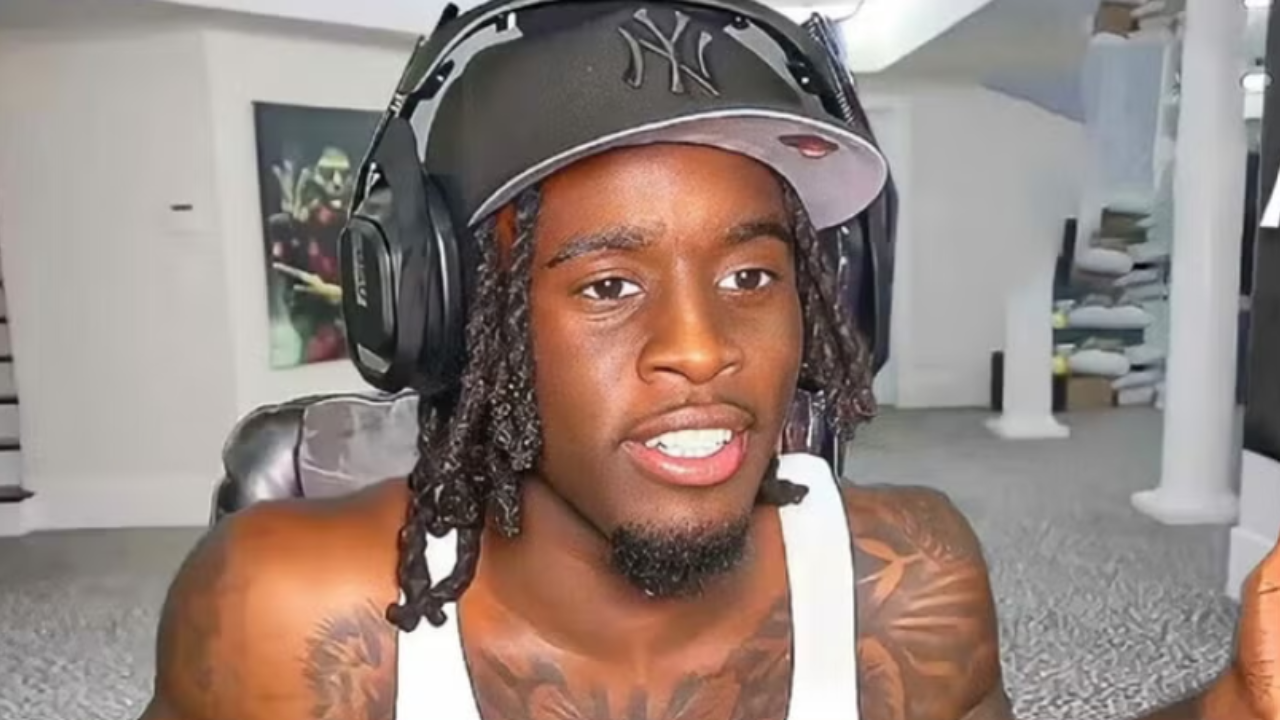
Look at the standard coverage around Reggie publishing private messages with Kai Cenat and Fanum stepping in to call for a mental reset. The lazy consensus writes itself in ten minutes: a streamer felt ignored, tossed out a warning flare, and his peers responded with wellness platitudes. Audience divides into camps. Comment sections fill with armchair therapists diagnosing trauma from screenshots.
That reading gets the mechanics completely wrong.
I have spent years watching talent agencies, management firms, and network executives burn millions of dollars trying to manage creator crises with PR statements and "mental health" pauses. Every single time, they treat a structural incentive problem like a clinical one. When a creator drops private DMs into the timeline, the primary audience is not the recipient of those messages. It is the algorithm, the clip channels, and the live chat watching the meter tick up.
The Anatomy of the "Ignored" DM
Here is how the lazy consensus frames the story: Reggie reached out, Cenat left him on read or brushed past it, and now we have proof that a "cry for help" went unanswered. Fanum comes in with the adult-in-the-room advice—step back, take a mental reset, cool off.
Notice what that framing assumes. It assumes private messages between high-output creators operate like messages between childhood friends sitting on a couch. They do not. At Cenat’s scale, an inbox is an operational triage queue—a high-volume routing system where every ping competes with live broadcasts, brand deliverables, security logistics, and legal noise. Treating a missed or delayed reply as moral abandonment confuses bandwidth scarcity with malice.
More importantly, calling a public screenshot dump a "cry for help" inverts how distress works in real life. People in genuine acute crisis rarely curate receipts, crop timestamps, and publish them to a feed engineered for outrage. Public leaks happen when private leverage runs out. If you actually want help from someone with Cenat’s reach, you call their manager, show up unannounced, or have a mutual friend pick up the phone. You do not hand strangers a courtroom exhibit and wait for sympathy.
Imagine a scenario where a mid-tier creator sends a heavy, ambiguous message at 2:00 a.m. to a mega-streamer mid-launch week. The mega-streamer’s team flags it, or the creator simply misses it while juggling a sponsor integration. Three days later, the sender posts the screenshot with a caption about being ignored. Now the mega-streamer has two terrible choices: apologize publicly and validate the accusation, or stay silent and look heartless. The sender gets days of oxygen, sympathetic threads, and a spike in profile visits. Which part of that chain looks like help-seeking, and which part looks like asymmetric leverage?
What Fanum’s "Mental Reset" Actually Misses
Fanum’s instinct to tell someone to take a mental reset sounds reasonable on the surface. Step away from the screen. Touch grass. Let the temperature drop.
In practice, a "mental reset" in the creator economy is often just an unbilled hiatus that punishes the wrong person while leaving the underlying incentives untouched. When an ecosystem rewards public grievances with instant viewership, telling one guy to log off does nothing to change the thermostat. The feed keeps spinning. Clip channels keep slicing the leaked DMs into ten-second vertical videos. Within forty-eight hours, new participants step into the same trap because the payout structure is identical.
Let’s define the terms cleanly so we stop talking past each other.
Parasocial leverage is the ability to turn a private relationship into public pressure because millions of strangers are emotionally invested in the cast of characters. Burnout is chronic depletion from sustained cognitive and emotional load without recovery. Reputational extortion is publishing private communications to force a public response under threat of mob scrutiny.
Conflating all three under the umbrella of "mental health" makes honest conversation impossible. You can be genuinely burned out and still use parasocial leverage to win a narrative war. Those two things are not mutually exclusive. Pretending they are forces observers to pick between calling someone a villain or treating every PR maneuver like a hospital intake.
I have watched management teams try to solve this exact mess by issuing joint statements and scheduling "wellness breaks." I remember one agency that spent six figures on crisis comms and media training after two co-hosts aired private grievances on stream. They thought a softer tone and a shared post about brotherhood would close the loop. Instead, the audience smelled choreography, engagement cratered on their flagship show, and the underlying resentment just moved into group chats. You cannot patch a broken incentive loop with a press release.
Why People Also Ask the Wrong Questions
Search engines surface the same predictable queries whenever a story like this breaks: Did Kai Cenat ignore Reggie’s cry for help? Why did Reggie leak the DMs? What does Fanum mean by a mental reset?
Every one of those questions is a trap.
Asking whether Cenat "ignored" Reggie assumes obligation where none was formally agreed to in public. In creator circles, proximity is fluid. Collaborators become orbiters; orbiters become competitors; former friends become content fodder. Trying to audit who owes whom a reply inside a moving hierarchy is a fool’s errand.
Asking why Reggie leaked the DMs treats complex social positioning like a single motive. Usually there is no single motive. There is hurt pride, frustration over unequal status, awareness of how fast screenshots travel, and the quiet math of what happens to your relevance when your name sits next to the biggest streamer on the platform.
And asking what Fanum means by a mental reset treats a colloquial phrase like a clinical protocol. Fanum is speaking as a peer trying to de-escalate a pile-on before it spirals into permanent damage. Respect the intent without mistaking it for a cure.
The Heavy Hitters Already Know This
People who actually build durable media businesses—from legacy broadcast executives like Lorne Michaels to modern digital operators who have survived a decade of platform shifts—understand a brutal rule: private friction requires private containment.
The moment a dispute crosses from DMs to public feeds, the original issue stops mattering. The medium becomes the message. Once screenshots are out, neither party controls the interpretation. Even if Cenat pulled up every single log and proved beyond doubt that he tried to help behind closed doors, half the internet would still call it damage control. Receipts do not restore trust once you train your audience to treat private life as public entertainment.
Look at how seasoned operators handle conflict when millions are watching. They do not post partial logs. They do not issue vague "my truth" threads. Either they resolve it off-camera with zero fanfare, or they accept a clean, boring separation without turning their peers into villains for content.
Actionable Moves That Actually Work
If you are a creator, manager, or operator watching this play out—or trying to keep your own shop from stepping on the same landmine—stop reaching for therapy language and start fixing structural exposure.
- Separate crisis support from peer DMs. If someone on your roster or in your circle is genuinely struggling, route them to real professionals and dedicated operational support—not a fellow creator who is live for eight hours a day. Peer DMs are terrible emergency rooms.
- Enforce a strict no-screenshot rule inside working circles. If private messages can be published at will, nobody will speak honestly in private. Honest private communication is the only thing that prevents public explosions. Make leak-and-post an automatic, irreversible bridge-burner.
- Audit your dependency on grievance loops. Look at your last ten viral moments. How many of them relied on beef, sub-tweeting, leaked chats, or feeling slighted? If grievance is your primary growth engine, burnout and collateral damage are not bugs in your business model—they are the cost of goods sold.
- Treat "mental resets" as operational redesign, not time off. Taking five days off Twitter while keeping the exact same communication habits and clout incentives just delays the next flare-up. Change who has access to your inbox, change how disputes get routed, and cut off the audience’s ability to referee your personal relationships.
The Downside of Calling It Straight
Taking this stance has a real cost. When you strip the "cry for help" label off a public DM dump, you sound cold to people who want every internet drama to be a morality play. You risk minimizing someone’s real frustration if you sound like you are dismissing their feelings outright.
That is a fair trade-off if your goal is clarity over applause. Empathy means caring that someone is hurting; it does not mean pretending a public screenshot campaign is a healthy way to heal. You can recognize that Reggie felt let down while still refusing to buy the narrative that Cenat’s inbox is a suicide hotline or that Fanum’s catchphrase fixes a broken room.
Stop reading public DMs like medical charts. Start reading them like distribution mechanics, and watch how fast the noise disappears.