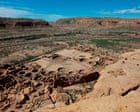
The outrage machine woke up this week and chose environmental pearl-clutching. Pundits are hyperventilating over administrative adjustments that could permit resource extraction near a designated heritage boundary, treating the mere proximity of industry as an existential apocalypse. This is lazy, backward thinking. It assumes that locking a plot of land in a glass case preserves it, while modern history proves the exact opposite.
The Myth of Total Isolation
Conservation orthodoxy relies on a comforting fiction: that you can draw a red line around a parcel of land, walk away, and nature will freeze in a state of pristine perfection. I have watched organizations blow millions on bureaucratic buffers that achieve nothing except starving the surrounding ecosystem of active management funds.
Let us define terms. A heritage designation is a label, not a forcefield. When you restrict every economic engine within fifty miles of a protected zone, you do not preserve local ecology; you impoverish the regional economy. Starved municipalities lack the capital for wildfire mitigation, invasive species control, and infrastructure maintenance. Protection without revenue is a slow-motion demolition order.
"A fence on a map does not stop a bark beetle, a drought, or a catastrophic fire."
The Economics of Neglect
Look at how protected tracts function in reality. Without adjacent commercial activity to share the tax burden and infrastructure costs, stewardship budgets shrivel. The lazy consensus assumes that any industrial neighbor equals environmental ruin. That ignores modern extraction technology, directional drilling precision, and strict reclamation mandates that leave sites cleaner than they were found.
Imagine a scenario where a resource lease generates fifty million dollars in local tax revenue, with ten percent legally mandated for conservation buffer maintenance. Compare that to a locked-down wasteland dying of chronic underfunding and municipal bankruptcy. Which one actually survives the century?
Follow the Real Incentives
Critics scream about pristine viewsheds while ignoring the human cost of turning rural regions into economic ghost towns. When people cannot make a living from the land beneath their feet, they leave, and stewardship collapses into absentee federal management by bureaucrats three time zones away.
The real question is never whether industry touches a boundary. The real question is whether extraction standards are rigorous enough to fund the very landscapes activists claim to defend. Stop fighting ghosts. Stop demanding zero-sum isolationism. Real conservation is an active, expensive business, and you cannot fund it with empty slogans.


