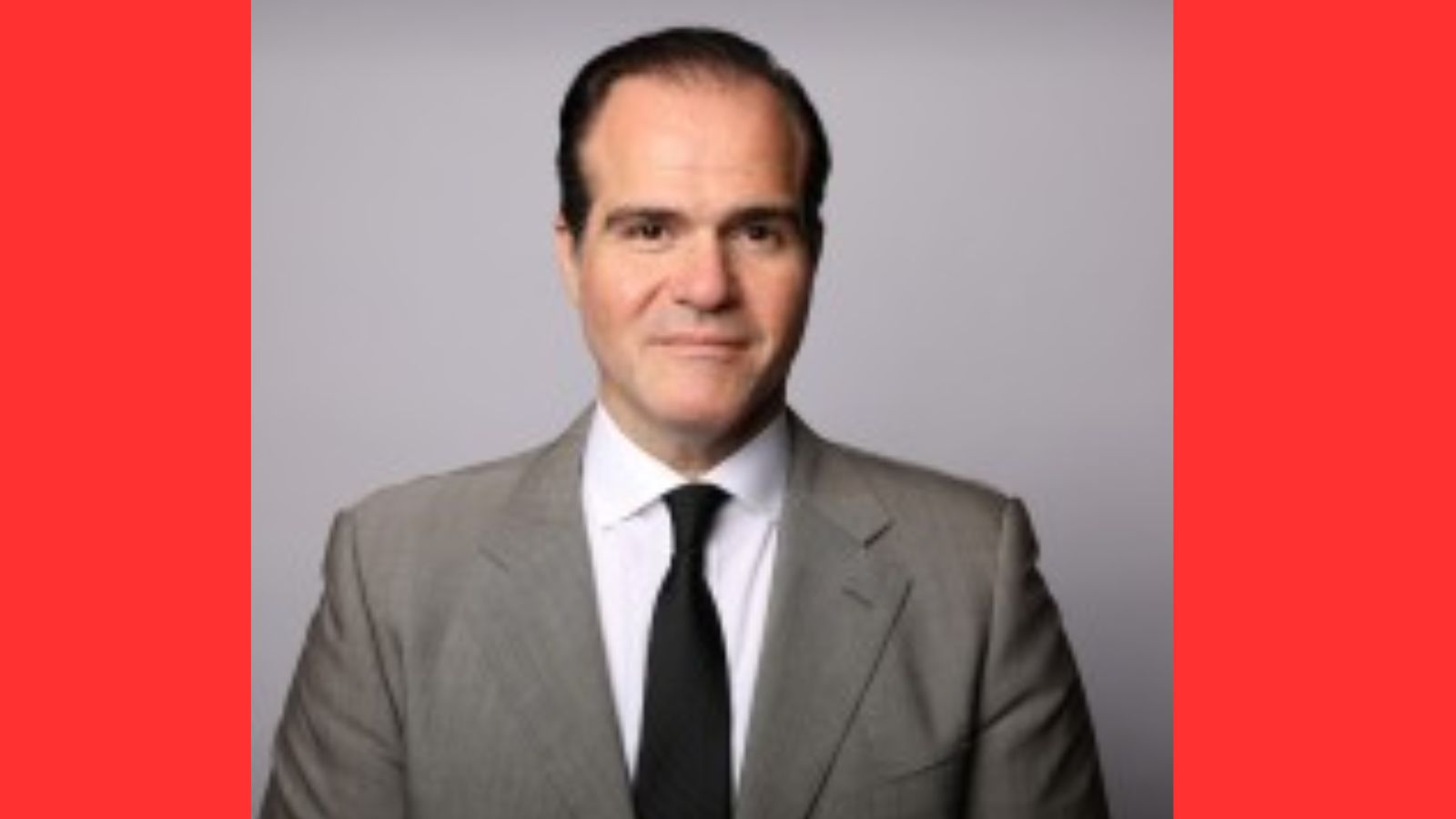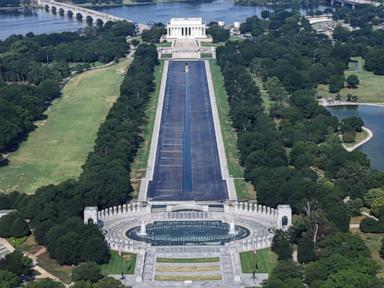
The collapse of the federal criminal case against former Olympic athlete David Hearn over alleged vandalism at the Lincoln Memorial Reflecting Pool exposes a textbook breakdown in prosecutorial accountability. When a state apparatus moves backward from a desired conclusion rather than forward from evidence, systemic failure is guaranteed.
The U.S. Attorney Office for the District of Columbia initially secured a felony indictment against Hearn, claiming he caused extensive property damage by tearing at the newly installed pool lining. Weeks later, facing the harsh realities of judicial discovery and physical evidence degradation, prosecutors filed a motion to dismiss the charges. The official admission cited flawed contractor execution and compressed project timelines tied to the America 250 anniversary celebrations.
Deconstructing this sequence provides a clear blueprint of how institutional panic, political interference, and technical incompetence interact during high-profile public works failures.
The Timeline Compression Cost Function
Public infrastructure projects operated under politically mandated deadlines invariably suffer from compressed execution windows. When the administration ordered a multimillion-dollar overhaul of the Lincoln Memorial Reflecting Pool, the primary constraint was temporal rather than technical.
- The Schedule Pressure: Contractors were forced to accelerate curing times, skip baseline material testing stages, and bypass standard quality assurance protocols to meet strict ceremonial deadlines.
- The Physical Result: Rapid-setting sealants and applied coatings require precise environmental conditions and adherence to manufacturer specifications. Speeding up this process introduces micro-fissures and adhesion failures at the molecular level.
- The Systemic Symptom: Within days of filling the basin, sections of the proprietary blue lining began to delaminate and float to the surface.
Rather than auditing the engineering and contractor performance, executive leadership sought an external agent to absorb the blame for structural degradation.
The Attribution Error in Prosecutorial Logic
When material failure manifests publicly, political entities face a binary choice: admit execution error or externalize fault. The decision to pursue criminal charges against an individual relies on a flawed causal attribution model.
- The Scapegoat Variable: Investigators matched a high-visibility public space with a random civilian interaction. Hearn, visiting the monument during a bicycle ride, touched a pre-existing peeling strip of liner.
- The Burden of Proof Deficit: Prosecutors conflated tactile interaction with structural causation. To sustain a felony property destruction charge, the state must prove beyond a reasonable doubt that the defendant's actions increased the repair cost by a statutory threshold—in this case, one thousand dollars.
- The Technical Impossibility: Subsequent visual inspections and expert testimonies revealed widespread delamination across the middle of the pool, an area physically inaccessible to casual visitors without specialized equipment. The state ignored physical geography in favor of narrative convenience.
Evidentiary Decay and Discovery Pressures
The collapse of the prosecution was accelerated by the standard rules of legal discovery, which force opaque political narratives into the harsh light of verifiable evidence.
As defense counsel pressed for access to physical evidence, federal agencies repeatedly drained and refiled the pool, compromising the integrity of the crime scene and destroying material evidence. Furthermore, internal Interior Department documentation directly contradicted the public narrative of targeted vandalism, pointing instead to systemic contractor errors.
When the internal memos surfaced, the prosecution crossed the threshold from an aggressive legal strategy to an untenable prosecution. The U.S. Attorney's Office was forced to acknowledge that establishing criminal intent or causation was impossible.
Strategic Restructuring of Public Accountability
The dismissal of the indictment highlights systemic vulnerabilities in how federal enforcement handles civil infrastructure. To eliminate future recurrences of premature criminalization, oversight models must undergo a structural shift.
- Decouple Oversight from Executive Pressure: Criminal investigations involving public property damage must maintain a mandatory firewall from political commentary to prevent confirmation bias from dictating charging decisions.
- Mandate Independent Material Audits: Prior to any public accusation of vandalism on government assets, an independent engineering firm must certify that the damage exceeds normal wear or material failure parameters.
- Enforce Discovery Preservation Protocols: State actors must be held strictly accountable for maintaining the chain of custody and physical integrity of evidence when private citizens face felony charges.
The Hearn case stands as a definitive warning against reactive jurisprudence. When state power is deployed to mask engineering failures, the eventual collision with objective reality destroys institutional credibility far faster than any structural defect.