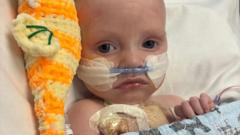
When a hospital pronounces a pregnancy lost, the medical machine usually moves with calculated efficiency. Misdiagnoses of fetal death, though statistically rare, shatter families and expose deep vulnerabilities in obstetric protocols. This piece examines the systemic failures, diagnostic hurdles, and psychological fallout when doctors mistakenly declare a baby dead.
Medical certainty is a fragile construct. Obstetrics relies on ultrasound technology, fetal heart monitors, and clinical observation to determine intrauterine life. Yet, human error, equipment limitations, and rare physiological phenomena can collide. The result is a catastrophic failure of communication and diagnosis. Read more on a connected topic: this related article.
The Anatomy of a Misdiagnosis
How does a physician miss signs of life? The answer lies in the limitations of standard screening tools and the immense pressure placed on frontline practitioners.
An ultrasound scan is not an infallible window into the womb. It is an interpretation of sound waves translated into a grainy grayscale image. In early pregnancies, or when a mother has an atypical uterine position, visualization becomes exceptionally difficult. Additional reporting by Mayo Clinic explores related perspectives on the subject.
[Image of obstetric ultrasound scan]
Furthermore, equipment malfunction or improper calibration can obscure faint cardiac activity. When a resident or technician glances at a monitor during a high-stress shift, confirmation bias takes over. If the working assumption is fetal demise, the human brain tends to see what it expects to see. Absence of movement on a screen becomes proof of death, bypassing the rigorous double-checks required in critical care.
Another complicating factor involves rare metabolic or physiological states. In profound shock, severe hypothermia, or specific neurological anomalies, a fetus can enter a state of metabolic depression. Heart rates plummet to microscopic levels, mimicking complete cessation. Standard Doppler devices fail to register these faint, irregular rhythms.
The Burden of Protocol and Communication
Hospital hierarchies stifle dissent. When a senior attending physician declares a pregnancy non-viable, junior staff rarely question the assessment. This rigid chain of command prevents timely second opinions.
Communication breakdowns exacerbate the trauma. Families receive news of a tragedy through rushed explanations laden with clinical jargon. The urgency to manage physical risks, such as preventing maternal hemorrhage or infection, often crowds out basic human empathy.
Medical boards mandate specific pathways for managing fetal demise. These pathways include pharmaceutical induction or surgical evacuation. When a diagnosis is wrong, rushing down these pathways introduces immediate physical danger to both mother and child.
The Psychological Aftermath
The psychological damage inflicted by a false pronouncement of death defies easy quantification. Trauma ripples through families, permanently altering their trust in healthcare institutions.
Grief requires closure. When that grief is abruptly interrupted by the realization that the child is alive, it mutates into a complex mix of relief, anger, and persistent anxiety. Parents describe living in a state of suspended reality. They struggle to bond with an infant whose survival feels miraculous and terrifyingly fragile.
Litigation offers little solace. Medical malpractice laws struggle to assign value to emotional distress when physical survival is ultimately achieved. Hospitals issue formal apologies, yet systemic reforms lag behind.
Reforming Obstetric Standards
Preventing future errors demands structural changes across maternity wards.
Mandatory dual-observer protocols for fetal demise represent a necessary first step. No single clinician should make a final determination of intrauterine death without independent verification by a senior specialist using high-resolution equipment.
Training programs must emphasize cognitive bias awareness. Clinicians need structured pauses to question their initial assumptions, particularly in emergency settings.
Technology will continue to evolve. Artificial intelligence assistants designed to read ultrasound feeds may eventually reduce human error. Until then, reliance rests on human vigilance and institutional humility.
Certainty in medicine is an aspiration, never a guarantee. Acknowledging that limitation is the only way to protect the vulnerable.