Geopolitical ghost stories rarely stay buried. Whenever a South American administration faces a tough domestic squeeze, the Falkland Islands usually wind up back in the headlines. Right on schedule, tensions have spiked sharply as London accuses Buenos Aires of ramping up a systematic campaign of political obstruction and economic harassment.
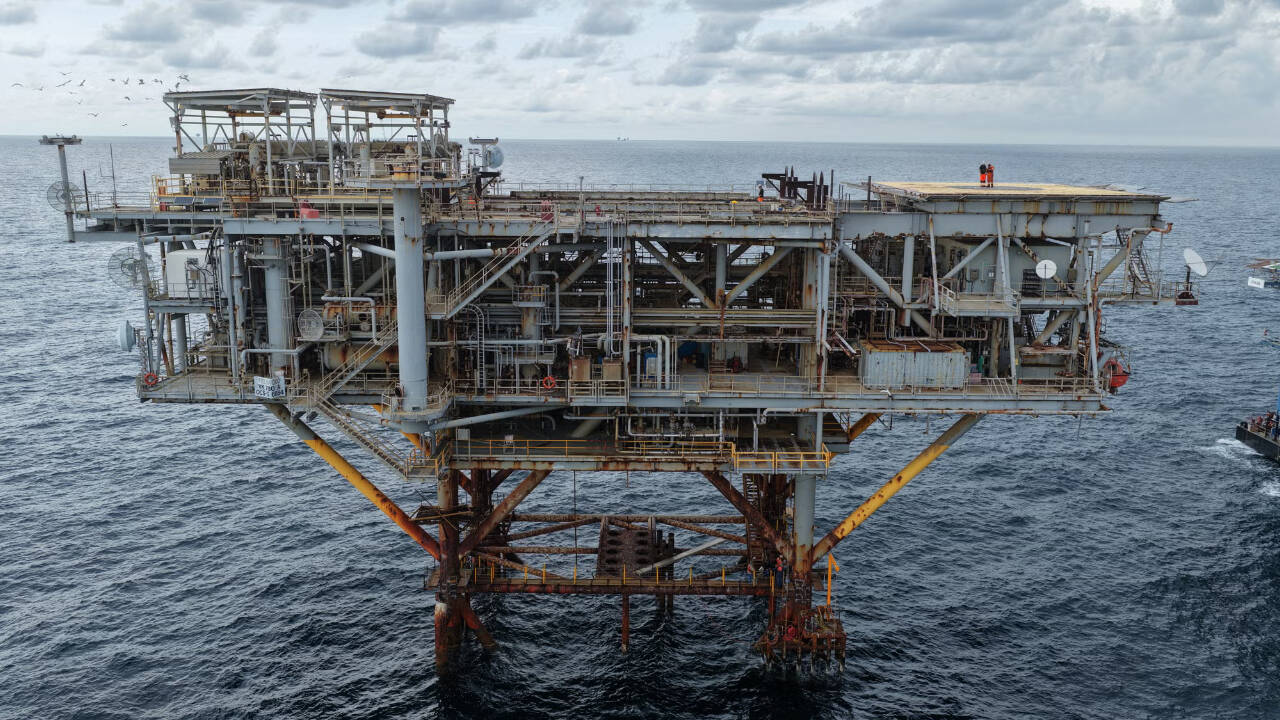
At the heart of this latest flare-up is Argentine President Javier Milei, who has aggressively pushed sovereignty claims and taken direct aim at local industries, including the controversial targeting of regional oil and fishing projects like the Sea Lion development. British diplomats at the United Nations and senior officials in Downing Street haven't minced words, labeling the behavior "wholly unacceptable" and pointing out that trying to bully a self-governing community of roughly 4,000 people doesn't match the conduct expected of a modern democracy.
The Real Motive Behind the Rhetoric
Let’s be honest about what is actually happening here. This isn't a sudden, organic shift in international law. It's politics.
When domestic inflation bites and upcoming elections loom, populist leaders love a convenient external adversary. Riling up nationalist sentiment over the Malvinas—as Argentina calls the archipelago—is a time-tested distraction strategy. Milei knows it plays well to his domestic base, even if it completely ignores the stark reality on the ground.
Local leaders in the Falklands have made their position painfully clear for decades. In the historic 2013 referendum, an overwhelming 99.8 percent of voters chose to remain part of the British family. They aren't a temporary military garrison or a corporate outpost; they're a settled, multi-generational community that runs its own internal affairs and wants nothing to do with Buenos Aires' governance.
Economic Pressure and Corporate Interference
The friction isn't just verbal chest-beating at the UN General Assembly. Buenos Aires has actively tried to frustrate local economic initiatives, attempting to choke off business ventures that comply fully with local Falklands legislation and international maritime law.
Free trade and global commerce rely on predictable legal frameworks. When a neighboring state threatens sanctions or legal action against international energy firms operating legally within an established territory, it sends a chilling effect through regional markets. Yet the local government has pushed back, refusing to let economic coercion derail their long-term infrastructure and resource planning.
What Self-Determination Actually Means
International relations often pretend that local populations are mere pawns on a chessboard. The Falklands crisis exposes the flaw in that mindset. You have a nation of over 40 million people attempting to dictate terms to an isolated island community of 4,000.
Self-determination is a core pillar of modern international law for a reason. If a population chooses its political status freely, external powers don't get to override that choice simply because a map makes them feel aggrieved. London’s backing of the islanders has remained politically bipartisan and unwavering, meaning no amount of diplomatic theater from Buenos Aires is going to shift the legal reality of British sovereignty anytime soon.
Stop expecting a sudden breakthrough or a sudden softening of tone. As long as political utility exists in reviving old grievances, the diplomatic row will persist. For the islanders, it's just another day of managing outside noise while getting on with business.
Falklands row escalates as UK accuses Argentina of unacceptable harassment
This video provides an up-close look at the recent diplomatic clashes and official statements surrounding the renewed sovereignty claims over the Falkland Islands.