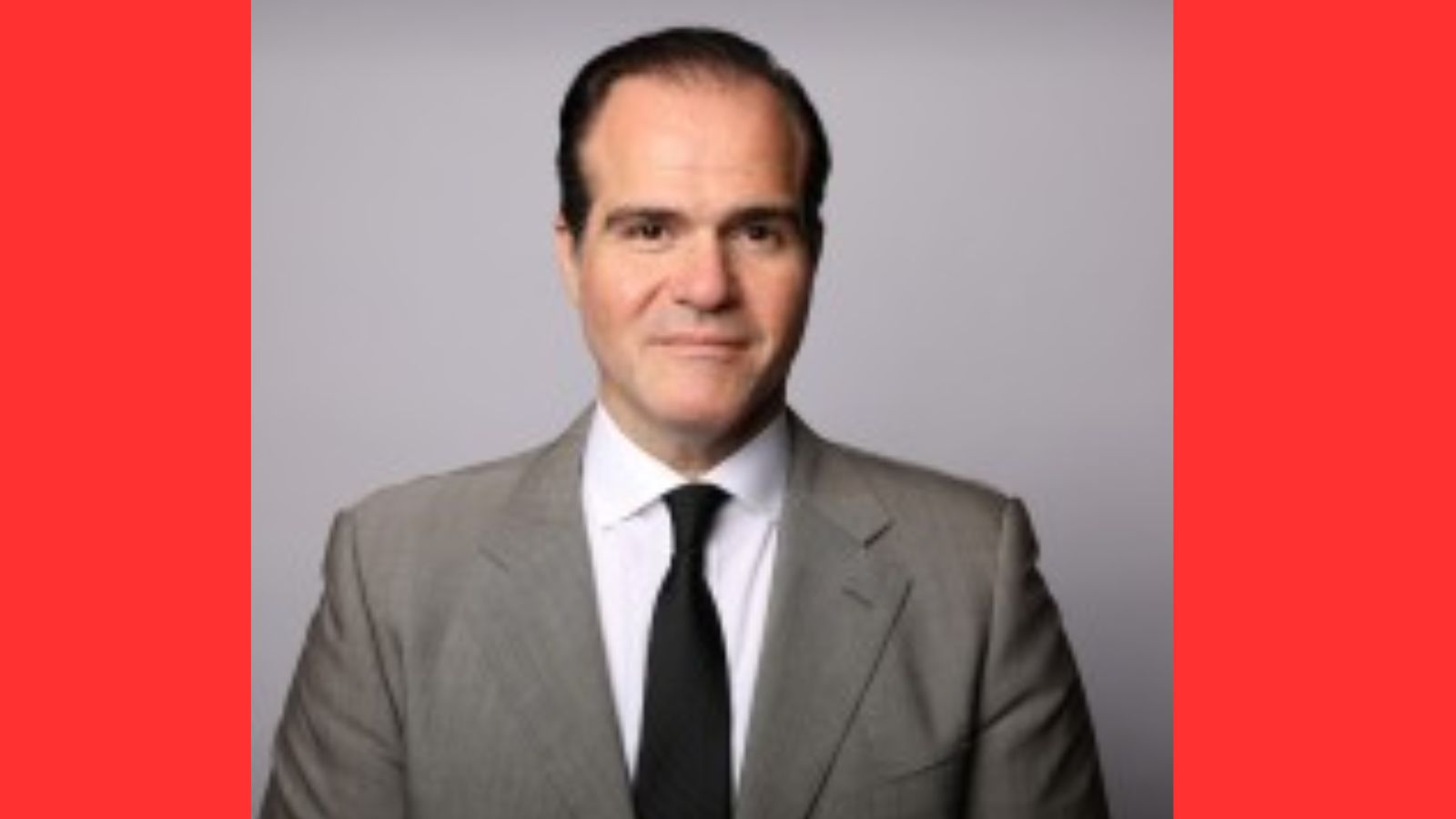
Antonio Oseguera Cervantes stood inside a federal courtroom in Washington and admitted what years of intelligence reports had long mapped out. The brother of the slain Cartel de Jalisco Nueva Generación leader Nemesio Rubén Oseguera Cervantes, widely known as El Mencho, pleaded guilty to conspiring to traffic massive quantities of cocaine and methamphetamine into the United States. This courtroom admission marks a critical milestone in dismantling the operational architecture of one of Mexico's most ruthless criminal enterprises. Federal prosecutors detailed how Oseguera Cervantes managed logistics and firearm proliferation to protect drug routes stretching from Michoacán deep into American distribution networks, facing a mandatory minimum sentence of fifteen years.
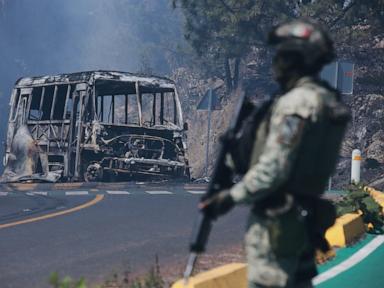
Behind every high-profile cartel indictment lies an intricate corporate structure that functions much like a multinational logistics corporation. The CJNG did not achieve its status through sheer violence alone. It operated via a disciplined supply chain, moving hundreds of kilograms of narcotics across international borders by exploiting blind spots in maritime shipping and terrestrial checkpoints. When El Mencho was killed by the Mexican military earlier this year, the resulting national unrest—marked by highway blockades and burning vehicles across multiple states—demonstrated the organization's reach. Yet, the real vulnerability of these syndicates has never been their foot soldiers. It rests within the aging family tier that manages financial accounts, procurement, and regional fiefdoms.
执法 (Law enforcement) agencies have increasingly shifted away from targeting street-level distribution toward intercepting the corporate core of transnational syndicates. Oseguera Cervantes, at sixty-seven years old, represents a bridge between older criminal formations like the defunct Milenio Cartel and the hyper-violent modern structure of the CJNG. His plea does more than secure a conviction; it validates the Department of Justice's strategy of utilizing foreign terrorist organization designations and cross-border extraditions to dismantle command hierarchies from the top down.
The mechanics of prosecution in these complex federal cases rely heavily on paper trails and electronic communications rather than field testimonies alone. Prosecutors presented evidence showing that Oseguera Cervantes coordinated the distribution of at least 450 kilograms of cocaine and dozens of kilograms of methamphetamine over a multi-year period. By tying specific weapons possession charges directly to the furtherance of drug conspiracies, federal attorneys circumvented common defense strategies that try to separate localized violence from overarching commercial operations.
Yet, incarcerating aging leadership figures rarely stops the flow of illicit substances. Transnational cartels operate on cellular redundancy. When one regional manager or founding relative is removed, mid-level commanders rapidly fracture or consolidate territory, giving rise to new leadership factions such as those recently targeted by coordinated U.S. sanctions. The institutional memory of a cartel survives its founders, embedded in corrupt municipal alliances, safe houses, and established smuggling corridors.
The upcoming sentencing in November before U.S. District Judge Beryl Howell will close a formal chapter for this specific defendant, but the wider ecosystem of synthetic drug manufacturing continues to adapt. Chemical precursors sourced internationally feed makeshift laboratories in hidden terrain, ensuring that the supply chain regenerates faster than judicial systems can prosecute it. The courtroom victory in Washington highlights the reach of American federal jurisdiction, but it also underscores the permanent adaptation required to counter modern criminal enterprise.