You stand on the edge of a decommissioned bridge, 130 feet above the ground. The adrenaline is pumping, your heart is racing, and you trust the people who buckled you into the harness. You expect a thrilling drop followed by the snap of an elastic cord pulling you safely back toward the sky. Instead, you plummet straight down.
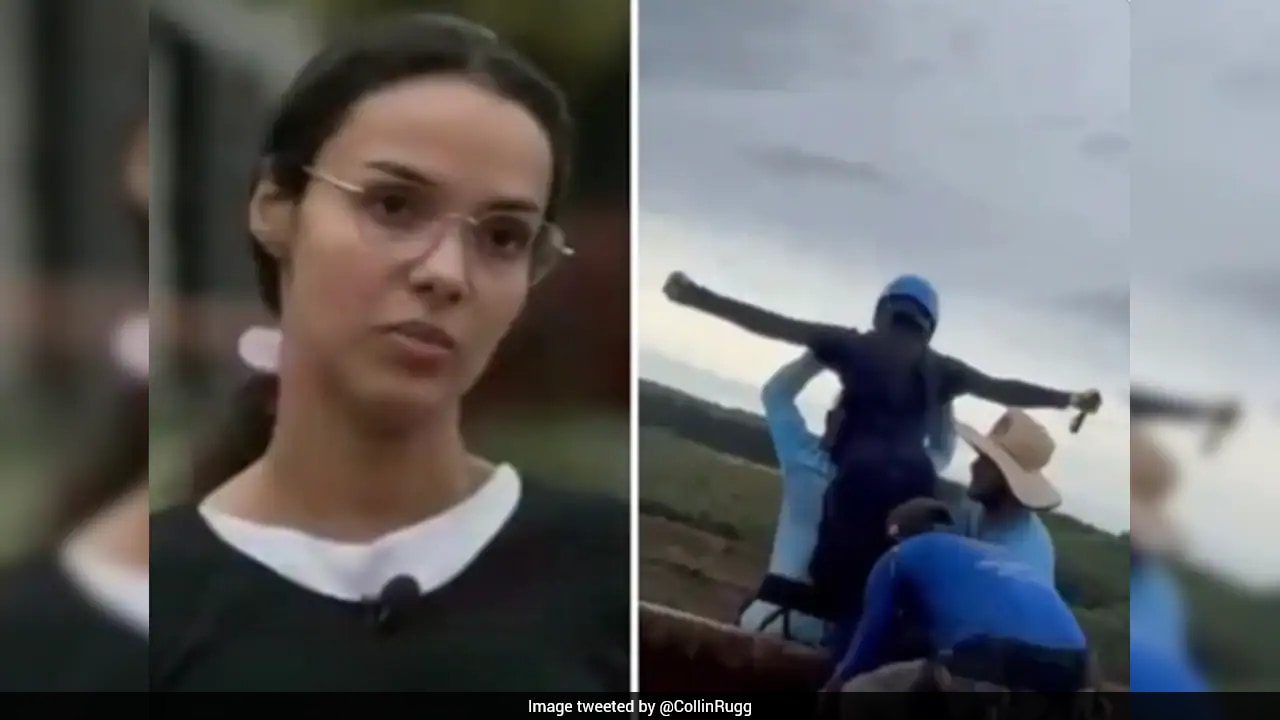
That nightmare became reality for 21-year-old Maria Eduarda Rodrigues de Freitas on a Saturday afternoon at the Ponte do Esqueleto, known locally as the Skeleton Bridge, near São Paulo, Brazil. In a horrific failure of basic safety protocols, the operators running the unlicensed bungee jump excursion lifted Maria into position and pushed her off the bridge. They forgot the most critical piece of equipment. There was no bungee cord attached to her harness.
The entire tragedy was captured on video by onlookers, a clip that quickly went viral and triggered massive outrage across Brazil. But while the video ends with the terrifying plunge, the frantic, heartbreaking moments that followed on the ground show exactly what happened before emergency crews arrived.
Surviving the 130-Foot Drop
An off-duty nurse named Rayza Dias happened to be near the base of the bridge when the accident occurred. Hearing the commotion, she immediately sprang into action, scrambling down a steep, muddy embankment to reach the fallen student. The descent was treacherous. With only a single rope available to guide her down the slippery slope, Dias scraped and cut her hands badly on the rough terrain just trying to reach the bottom.
When she finally navigated the mud and reached Maria at the base of the structure, Dias discovered something shocking. Despite falling from a height equivalent to a 12-story building, Maria was still alive and conscious.
Dias described the scene to the Brazilian television network Domingo Espetacular, noting that the young woman was breathing heavily but trying to hold on. The nurse checked her vital signs, looking closely at her pupils and feeling for a pulse. It was incredibly weak, but it was there.
Hoping to offer comfort and keep Maria focused, Dias relied on a bit of dark humor often used by medical professionals dealing with extreme trauma. She told Maria that nobody dies on her shift, even though she wasn't technically working at the time. Maria was briefly able to speak back to the nurse, fighting for her life in the mud beneath the bridge while they waited for a military police helicopter and emergency medical teams to arrive.
Despite the immediate first aid and subsequent rescue efforts, the severe internal trauma from the impact proved too much. Maria later died from her injuries.
The Criminal Investigation
Local authorities wasted no time shutting down the site and rounding up those responsible for the excursion. The activity was marketed as a package experience, combining a guided nature hike with the thrill of a bridge jump. However, police quickly confirmed that the adventure tourism group lacked the necessary credentials and had zero authorization to operate any commercial activities at the decommissioned Skeleton Bridge.
Six individuals were taken to the Limeira Police Station for intense questioning. Chaos followed the immediate aftermath of the fall, as two of the main operators allegedly tried to flee the scene. A military helicopter tracked them down in the surrounding area, leading to their arrest.
Ultimately, police detained three men, aged 27, 32, and 42, on charges of homicide involving recklessness. Under Brazilian law, this specific charge applies when individuals engage in actions while fully aware that their conduct carries a high risk of causing death. Three other workers who were rounded up at the site were questioned and subsequently released without charges.
Lawyers representing the jailed operators attempted to defend their clients to the media, arguing that the men were highly experienced in organizing extreme sports. They pointed out that the group had run these jumps for years without a single incident. For local prosecutors and the grieving family, that defense means nothing when a simple check of the safety lines would have prevented a tragedy.
How to Spot a Rogue Extreme Sports Operator
Extreme sports always carry an inherent element of risk, but there is a massive line between calculated risk and outright negligence. Rogue operators cut corners on insurance, gear replacement, and staff training to maximize profits. If you plan on booking a bungee jump, skydive, or canyoning trip, you need to vet the company before putting your life in their hands.
First, check the location parameters. Legitimate companies don't operate off abandoned public property or decommissioned bridges without clearly posted commercial permits and barriers. If a company operates in secret or tells you to avoid local authorities, walk away.
Second, look for certification. Reputable adventure companies are registered with national tourism boards or international safety bodies. In the United States, look for affiliations with organizations like the North American Bungee Association. In other countries, look for certified compliance with international safety standards like ISO 21101, which governs adventure tourism safety management systems.
Finally, watch the staff. True professionals have a strict double-check policy. One instructor hooks you up, and a second instructor inspects the carabiners, lines, and anchor points before you go anywhere near the drop zone. If the operation feels rushed, or if the staff seems distracted and fails to run a secondary equipment check, step back from the edge. No amount of adrenaline is worth your life.