A crowded market in Egypt shouldn't be the place you lose your life. But for one German tourist, a casual afternoon watching a street performance turned into a nightmare. Most travelers view snake charming as a quirky, exotic photo op. It's actually a lethal gamble. This recent tragedy in the Red Sea resort area isn't just a freak accident. It's a wake-up call about the unregulated world of animal "entertainment" in tourism hubs.
The German man was 60 years old. He was enjoying a holiday in Hurghada when he stopped to watch a snake charmer. During the act, a cobra bit him. He didn't survive. Despite being rushed to a local hospital, the venom was too fast. This happens more often than the brochures suggest.
Why Snake Charming is Inherently Dangerous
Most people think the snakes are drugged or have their fangs removed. Sometimes they do. But that makes the snake aggressive and unpredictable. A "de-fanged" snake can still have functional venom glands or regrow its fangs over time. Cobras are neurotoxic. Their venom attacks the central nervous system. Within minutes, your diaphragm stops working. You can't breathe.
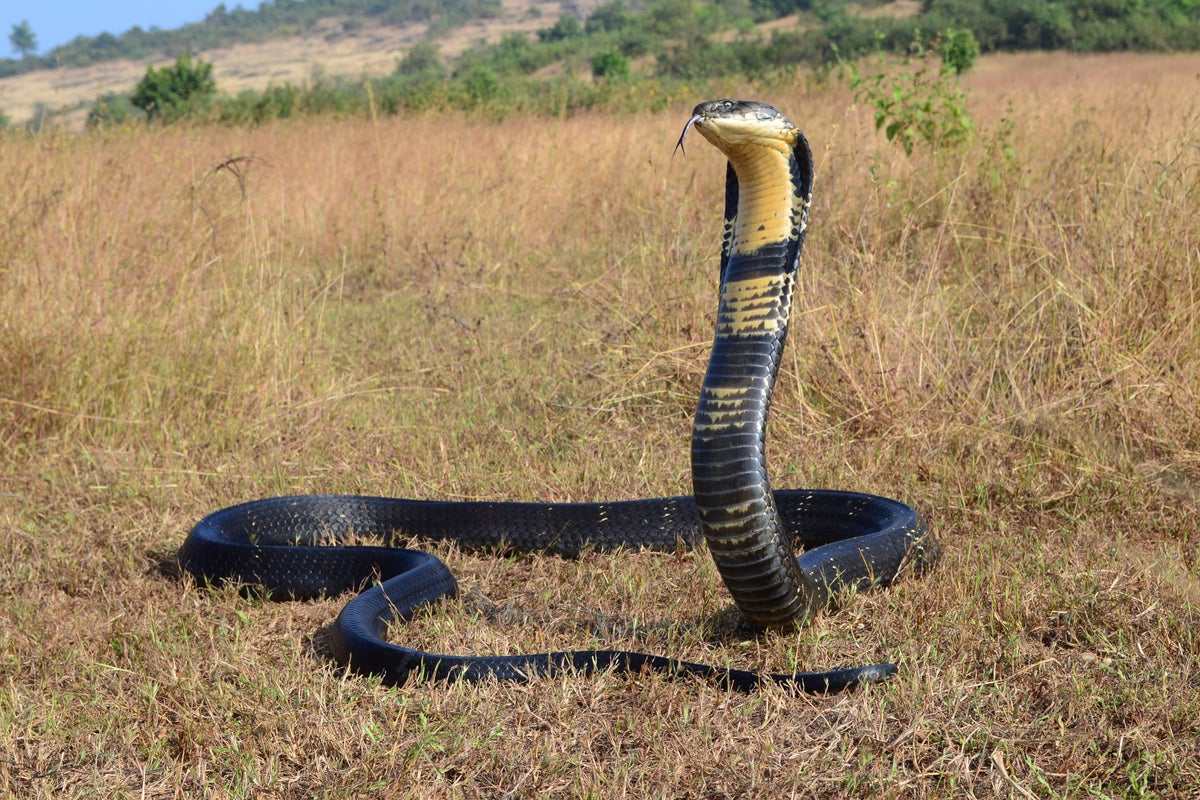
Egyptian cobras (Naja haje) are particularly nasty. They're large, defensive, and carry enough venom to kill several grown adults in one go. When a charmer puts that animal near your neck for a photo, they're betting your life on the snake's mood. That's a bad bet. Most of these handlers have zero medical training. They don't carry antivenom. They're just looking for a few Egyptian pounds from a curious passerby.
The Reality of Medical Care in Remote Resort Areas
If a cobra bites you in the middle of a busy souq, you're in trouble. Antivenom isn't something every small clinic stocks. It's expensive. It has a short shelf life. It needs refrigeration. Even if the hospital has it, the staff needs to know exactly which species bit you.
Hurghada has decent medical facilities, but traffic and chaos can delay treatment. Every second the venom circulates, it's doing damage. In the case of this German tourist, the window for help closed before the doctors could stabilize him. You aren't just paying for a photo. You're potentially paying with your life because the infrastructure for a specialized emergency isn't always there.
Why These Shows Still Exist
Money talks. As long as tourists keep handing over cash for a "brave" photo with a predator, the practice will continue. Local authorities often turn a blind eye because it's part of the "authentic" experience travelers expect. But there's nothing authentic about a stressed, dehydrated snake being poked for tips.
The snakes are often caught from the wild. Their lives are short and miserable. They're kept in dark boxes and handled roughly. This stress makes them strike out. A captive-bred animal might be slightly more docile, but a wild-caught cobra is a loaded gun. The handlers themselves are frequently bitten, though you'll never see that in the promotional videos.
How to Stay Safe While Exploring Egypt
You don't have to be a coward to be smart. Avoid any performance involving live predators in an uncontrolled environment. If you see a crowd gathering around a man with a basket, walk the other way. It's not worth the risk.
If you really want to see wildlife, go to a reputable sanctuary or a national park with professional guides. Street performers aren't professionals. They're opportunists.
Immediate Steps if a Snake Bites You
If the worst happens, don't panic. Panic speeds up your heart rate. That pumps the venom through your body faster.
- Call for an ambulance immediately. Don't try to drive yourself.
- Keep the bitten limb below the level of your heart.
- Don't try to suck out the venom. That's a movie myth. It doesn't work.
- Don't apply a tourniquet unless you're trained to do so. Cutting off circulation can lead to amputation later.
- Take a photo of the snake if it's safe. This helps doctors choose the right antivenom.
Travel insurance is a non-negotiable. Make sure your policy covers medical evacuation. If a local hospital can't handle a neurotoxic bite, you'll need a flight to Cairo or even back to Europe. Those flights cost tens of thousands of dollars.
Check your surroundings. Watch where you step in rocky areas or near tall grass. Most snakes just want to be left alone. The ones in the baskets are the ones you need to worry about because they've been forced into contact with people. Stop supporting these shows. Your safety is more important than a "cool" Instagram post. Stick to the pyramids and the museums. The cobras belong in the desert, not in the middle of a tourist square.