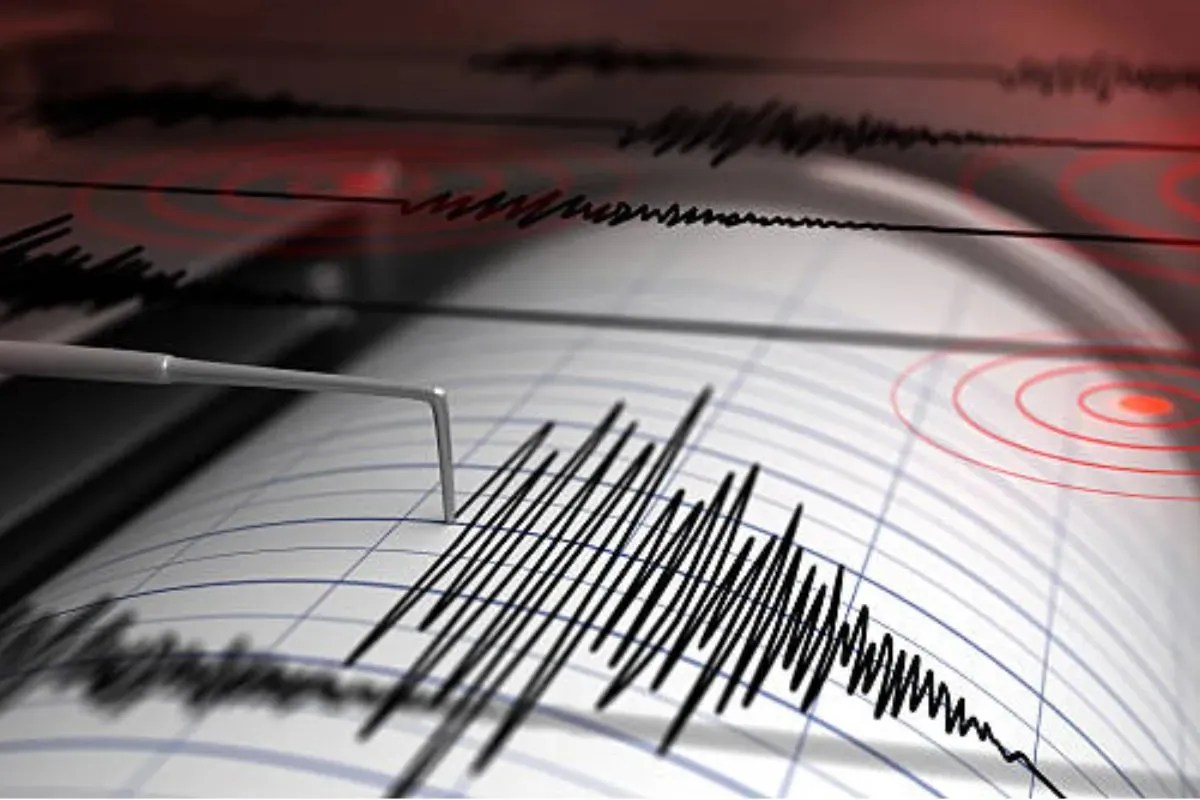
An earthquake measuring 5.3 on the Richter scale struck the Hindu Kush region of Afghanistan, sending sharp morning tremors through Kabul and surrounding provinces. Seismological agencies, including the National Centre for Seismology and the German Research Centre for Geosciences (GFZ), recorded the seismic event at a depth varying from shallow crustal layers down to intermediate depths. While immediate reports indicated no massive structural collapse or widespread casualties from this specific tremor, the event serves as a grim reminder of an unfolding geographical emergency that repeats itself with terrifying regularity.
Every time a magnitude 5.0 or 5.3 tremor rattles the region, headlines flash across international news terminals, only to fade away by nightfall if no immediate body count is attached. This routine indifference masks a profound structural vulnerability. Afghanistan sits atop one of the most volatile tectonic collision zones on the planet, where the Indian Plate grinds relentlessly northward against the Eurasian Plate. This subterranean pressure cooker builds energy that must escape, resulting in frequent, unpredictable shocks that turn rural mud-brick architecture into dust.
The Tectonic Mechanics of the Hindu Kush
To understand why a 5.3 magnitude earthquake causes
The Fault Lines of Resilience Why Afghanistan Keeps Breaking Under the Earth
news
The tremors arrived without warning on a quiet morning, shaking the foundations of communities already pushed to the brink of survival. A magnitude 5.3 earthquake struck Afghanistan, registering a depth and intensity that rattled mud-brick walls and sent terrified residents running into the dusty streets. Seismologically speaking, a 5.3 magnitude event is moderate by global standards. In this particular geography, however, it acts as a hammer blow against a society stripped of safety nets, infrastructure, and institutional shock absorption.
Ground zero for these recurring seismic crises is rarely just a physical coordinate on a map. It is an intersection of tectonic violence and profound human vulnerability.
The Tectonic Trap of the Hindu Kush
To understand why a 5.3 magnitude tremor causes catastrophic anxiety in Afghanistan, one must look deep beneath the surface of the earth. The country sits astride one of the most seismically volatile zones on the planet, caught in the relentless, grinding collision between the Indian Plate and the Eurasian Plate. This ongoing continental convergence forces the Hindu Kush mountain range higher by millimeters every year, storing immense amounts of strain along complex fault networks.
When that strain snaps, the energy radiates outward through brittle crust. The depth of these hypocenters often dictates the pattern of destruction. Shallow-focus earthquakes, even those of moderate magnitude, concentrate their energy near the surface, shaking the upper layers of soil violently.
Architecture of Vulnerability
The earth does not kill people directly; poorly constructed buildings do. This grim maxim of disaster journalism plays out with brutal consistency across rural Afghanistan.
Centuries of tradition dictate the prevailing architectural style. Homes are predominantly constructed from sun-dried mud brick, unreinforced masonry, and heavy timber roofs. These materials are cheap and readily available, providing decent insulation against harsh winters and scorching summers. But they possess zero structural integrity when subjected to lateral seismic waves.
When the ground rolls, mud brick disintegrates into dust. Heavy roofs collapse downward, transforming dwellings into tombs in a matter of seconds. Modern seismic retrofitting, steel-reinforced concrete frames, and engineered masonry remain luxuries accessible only to a tiny fraction of urban elites. For the agrarian majority, building techniques have remained largely unchanged for generations, leaving them entirely exposed to the next shockwave.
The Humanitarian Logistics Nightmare
Natural disasters test the administrative and logistical capacity of any state. In Afghanistan, that capacity is fragmented, strained, and heavily reliant on an international aid ecosystem that faces severe operational hurdles.
When a quake strikes remote valleys cut off by rugged terrain, the immediate bottleneck is access. Landslides routinely block narrow mountain passes, burying the only dirt roads leading into affected districts. Heavy machinery is scarce, meaning initial rescue operations rely entirely on bare hands, shovels, and whatever local tools residents can salvage from the rubble.
Time is the ultimate enemy in the golden hours following a seismic event. Internal bleeding, crush syndrome, and exposure claim lives long before emergency medical teams can navigate the bureaucratic and physical obstacles to reach the disaster zone. Local clinics, already underfunded and short on basic medical supplies, are instantly overwhelmed by waves of trauma patients suffering from fractures, internal injuries, and shock.
Beyond the Immediate Aftermath
The true devastation of an earthquake in Afghanistan rarely makes the evening news headlines weeks later. It unfolds in the slow, agonizing aftermath of displacement and economic ruin.
Surviving families lose not only their homes but their livestock, their winter grain stores, and their immediate agricultural land. In a subsistence economy, the loss of a single draft animal or a collapsed irrigation channel spells the difference between self-sufficiency and total destitution. Aid distributions provide a temporary lifeline, but they cannot replace the lost social fabric of communities scattered by displacement.
As the dust settles over the latest ruins, the underlying reality remains unchanged. The earth beneath the Hindu Kush will continue to shift, storing energy for the inevitable next release. Until structural resilience catches up with geological reality, every morning tremor will continue to test the endurance of a population holding its breath against the next violent shudder of the ground.