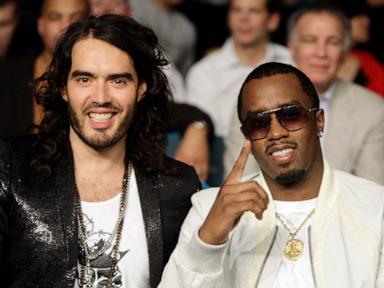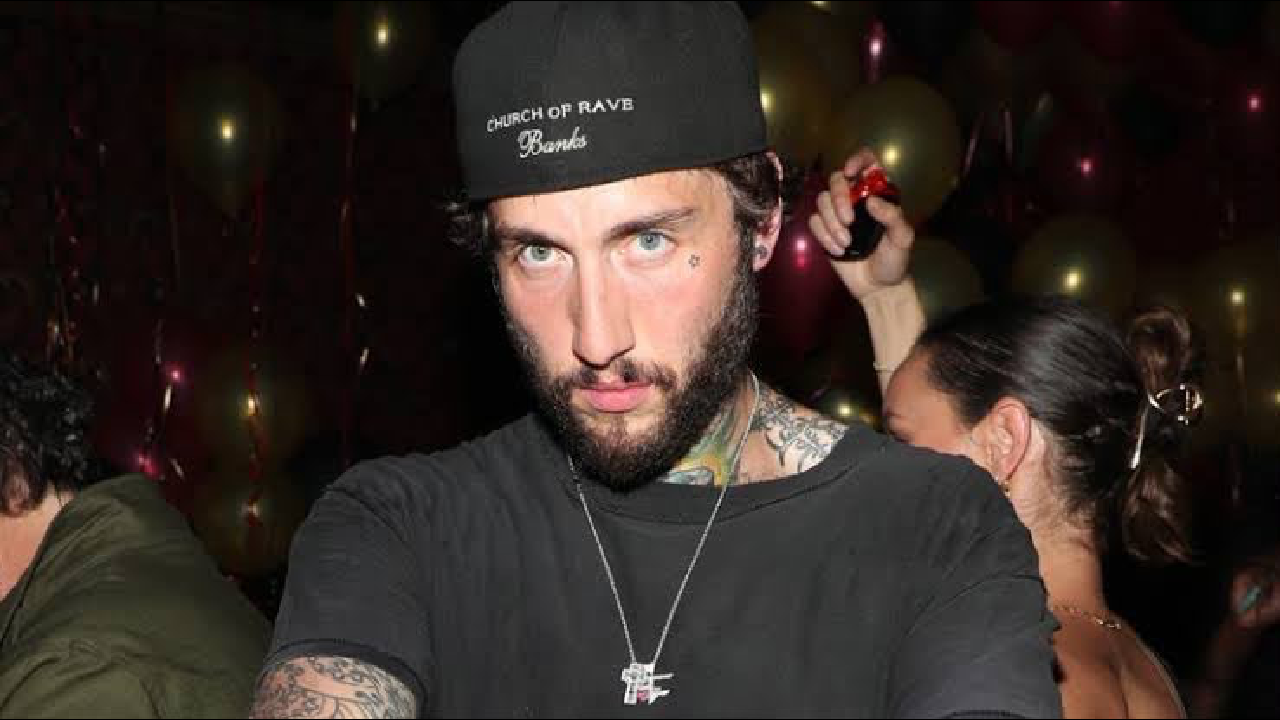
FaZe Banks publicly criticized streamer Plaqueboymax over a Halloween broadcast featuring whiteface makeup, using the viral stunt to question whether the rising star's career is losing direction. The clash exposes a deeper fault line in live streaming, where older executives who built empires on shock value now lecture a younger generation for using the exact same playbook under stricter platform rules.
The Halloween Broadcast That Sparked the Backlash
Halloween has always functioned as an unofficial stress test for internet culture. Every October, creators push costume concepts to the edge of platform Terms of Service in search of viral clips that will carry their metrics through the fourth quarter.
During his Halloween stream, Plaqueboymax—born Maxwell Dent, a prominent figure in the W/L community and a member of FaZe Clan's rebooted roster—appeared on camera wearing heavy white face paint. Clips of the broadcast circulated rapidly across X and TikTok within hours. Reaction was immediate and fractured along predictable lines.
Some viewers dismissed the bit as harmless, absurd costume comedy aimed at breaking the monotony of standard desktop streams. Others questioned the optics, pointing out the historical baggage of racialized makeup tropes and arguing that the stunt relied on cheap shock rather than genuine creativity.
Enter Richard "FaZe Banks" Bengston. Never one to stay quiet when internet drama intersects with his orbit, Banks weighed in publicly, slamming the broadcast and framing the moment as evidence of a broader creative decline. His critique went beyond the makeup itself. Banks suggested that Plaqueboymax was slipping into desperate territory, trading long-term brand equity for fleeting, controversial impressions.
The irony was not lost on veteran observers of the gaming and lifestyle space.
The Business of Outrage in Modern Live Streaming
To understand why a Halloween costume triggered a public referendum on a creator's career trajectory, you have to look at the mechanics of attention farming on platforms like Twitch and Kick.
Live streaming operates on a brutal economic reality. Unlike scripted television or edited YouTube videos, a live broadcast runs for four to ten hours a day, five to seven days a week. Sustaining peak concurrent viewership across thousands of hours a year is nearly impossible through conventional entertainment alone.
When organic growth plateaus, creators reach for high-variance stunts.
- The Clip Economy: Modern streamers do not grow primarily through people stumbling onto their live channels. They grow through thirty-second vertical clips harvested by fan accounts and pushed into algorithmic feeds on TikTok, Instagram Reels, and YouTube Shorts.
- The Outrage Multiplier: Nuanced comedy rarely survives a fifteen-second clip without context. Visual shock, bizarre costumes, and taboo-adjacent humor stop thumbs immediately.
- The Metric Trap: A controversial stunt might double a streamer's clip views for seventy-two hours, creating the illusion of momentum while quietly eroding trust with mainstream advertisers.
Plaqueboymax built his audience through music production streams, high-energy chat interactions, and unfiltered spontaneity. That formula turned him into one of the most recognizable young voices in live content. Yet the transition from underground breakout star to mainstream flagship talent requires a completely different set of instincts.
When Banks questioned Plaqueboymax's career slide, he was pointing—clumsily, perhaps—at a classic creator dilemma. What gets you to the top of the mountain is rarely what keeps you there.
Who Gets to Police Shock Value
Banks's intervention carries heavy baggage because of his own history. Long before he became an executive lecturing younger creators on optics and career longevity, Banks built his personal brand and FaZe Clan's lifestyle empire on unfiltered chaos, public feuds, and boundary-pushing content.
In the early 2010s, the digital media environment rewarded recklessness with almost zero institutional pushback. Brands barely understood influencer marketing, and platforms enforced rules sporadically. Creators could apologize on Tuesday and launch a new merchandise drop on Friday.
That era is dead.
Today's streaming ecosystem is governed by automated moderation, hypersensitive corporate sponsors, and an audience armed with instant screen-recording tools. A stunt that would have been forgotten in forty-eight hours a decade ago now becomes permanent searchable metadata attached to a creator's name.
When an industry veteran criticizes a younger peer for crossing a line, two things can be true at once:
- The critique can be commercially accurate. Mainstream sponsors look for predictability. Controversial racial imagery—regardless of intent or comedic framing—triggers immediate red flags in corporate brand-safety departments.
- The messenger can lack moral authority. Younger creators routinely bristle when older executives who profited from chaos suddenly rebrand as conservative guardians of industry standards.
This generational friction is playing out across every major creator collective. Older founders want polished, sponsor-ready assets that increase company valuation. Younger talent wants the raw, unscripted freedom that made their fans care in the first place.
Double Standards and the Internet's Selective Outrage
Whenever whiteface appears in pop culture or online entertainment, the debate quickly detours into arguments over historical equivalence and double standards.
Media scholars and historians consistently note that blackface carries a specific, documented history rooted in minstrelsy, systemic dehumanization, and institutional racism in the United States. Whiteface does not share that identical historical weight, which is why comedy films like White Chicks or sketches on Chappelle's Show achieved mainstream commercial success without facing permanent cultural exile.
Context, however, matters enormously—and live streaming strips away context faster than any medium ever invented.
A scripted film establishes clear comedic framing, studio backing, and narrative intent. A five-hour livestream broadcast to tens of thousands of anonymous commenters offers none of those guardrails. In a live chat moving at five hundred messages per minute, nuance evaporates. Viewers clip the most extreme ten seconds, strip away the setup, and drop the footage into a social media feed designed to maximize tribal conflict.
For a creator like Plaqueboymax, the risk is not necessarily permanent cancellation. The internet's memory is far too short for that. The real risk is brand dilution.
If an audience tunes in expecting sharp musical talent, cultural commentary, and charismatic hosting, pivoting toward shock costumes signals creative fatigue. Fans can sense when a streamer is performing out of genuine inspiration versus performing because the numbers dipped last week.
The Structural Vulnerability of Streamer Collectives
The public nature of the clash between Banks and Plaqueboymax also highlights the fragile architecture of modern creator organizations.
Traditional talent agencies handle disagreements behind closed doors. A manager calls a client, expresses concern about a recent appearance, and adjusts the strategy before the press catches wind of internal friction.
Creator organizations do the exact opposite. Because every executive and talent member maintains a massive direct-to-consumer social media presence, internal disagreements routinely spill onto public timelines. In many cases, the public feud itself becomes content, generating engagement metrics for everyone involved.
Yet that transparency comes at a steep operational cost:
- Erosion of Internal Trust: When leadership airs grievances publicly rather than mentoring talent privately, younger creators stop viewing executives as allies and start viewing them as rivals competing for the same spotlight.
- Sponsor Hesitation: Blue-chip advertisers want stability. Watching a brand's leadership publicly question the career trajectory of one of its prominent creators signals organizational dysfunction.
- Audience Polarization: Fans are forced to pick sides between the executive and the entertainer, fracturing a community that should be unified around shared content.
FaZe Clan's well-documented financial struggles, corporate restructuring, and roster overhauls over the past several years demonstrate how difficult it is to turn viral personalities into a stable business. Every public flare-up reopens questions about whether creator collectives can ever mature into sustainable media companies or if they are permanently trapped in cycles of high-school-level drama.
Why Career Slumps Happen After Viral Peaks
Banks's sharpest jab—that Plaqueboymax's career is sliding—touches a nerve every digital entertainer fears.
In traditional entertainment, a recording artist or actor might release one major project every eighteen months. Between releases, they disappear from public view, recharge creatively, and build anticipation for their return.
Live streamers do not get an off-season.
If a streamer takes two weeks off to rest or rethink their creative direction, platform algorithms punish their channel immediately. Subscribers lapse. Viewers migrate to competitors who stayed live. The fear of losing algorithmic momentum traps creators on a relentless treadmill, forcing them to broadcast even when they have nothing compelling to say or show.
When creative exhaustion sets in, quality drops first. Streams become reactive rather than proactive. Instead of building original segments, collaborating with interesting guests, or showcasing actual skills, the creator defaults to easy engagement traps—drama farming, rage bait, or bizarre visual stunts.
From the outside, that shift looks like a career slide. From the inside, it often feels like survival.
Navigating the Crossfire Without Losing the Audience
Creators caught between algorithmic pressure and brand-safety expectations face a narrow path forward. Neither sterile corporate compliance nor reckless shock value offers a durable long-term strategy.
Sustaining a multi-year career in live entertainment requires deliberate structural shifts:
Separate the Broadcast from the Brand
The smartest streamers treat their live channel as a testing ground while building distinct, polished pillars elsewhere—music releases, live touring, podcast franchises, or physical product lines. When a creator owns intellectual property outside of platform algorithms, a single controversial clip cannot derail their entire livelihood.
Build Private Counsel
Public feuds generate short-term impressions, but private mentorship builds actual longevity. Creators need trusted advisors who will tell them when a bit is lazy before the camera turns on, rather than waiting to critique them on X after the clips go viral.
Respect Audience Intelligence
Core fans rarely abandon a creator over a single misstep, provided the creator owns their choices without defensive whining or fake corporate apologies. Audiences abandon creators when the content stops feeling authentic and starts feeling calculated for clicks.
The clash between FaZe Banks and Plaqueboymax will eventually fade from trending tabs, replaced by next week's streaming controversy. What remains is the underlying tension defining the entire creator economy: the brutal gap between what feeds the algorithm today and what builds a career that survives tomorrow.