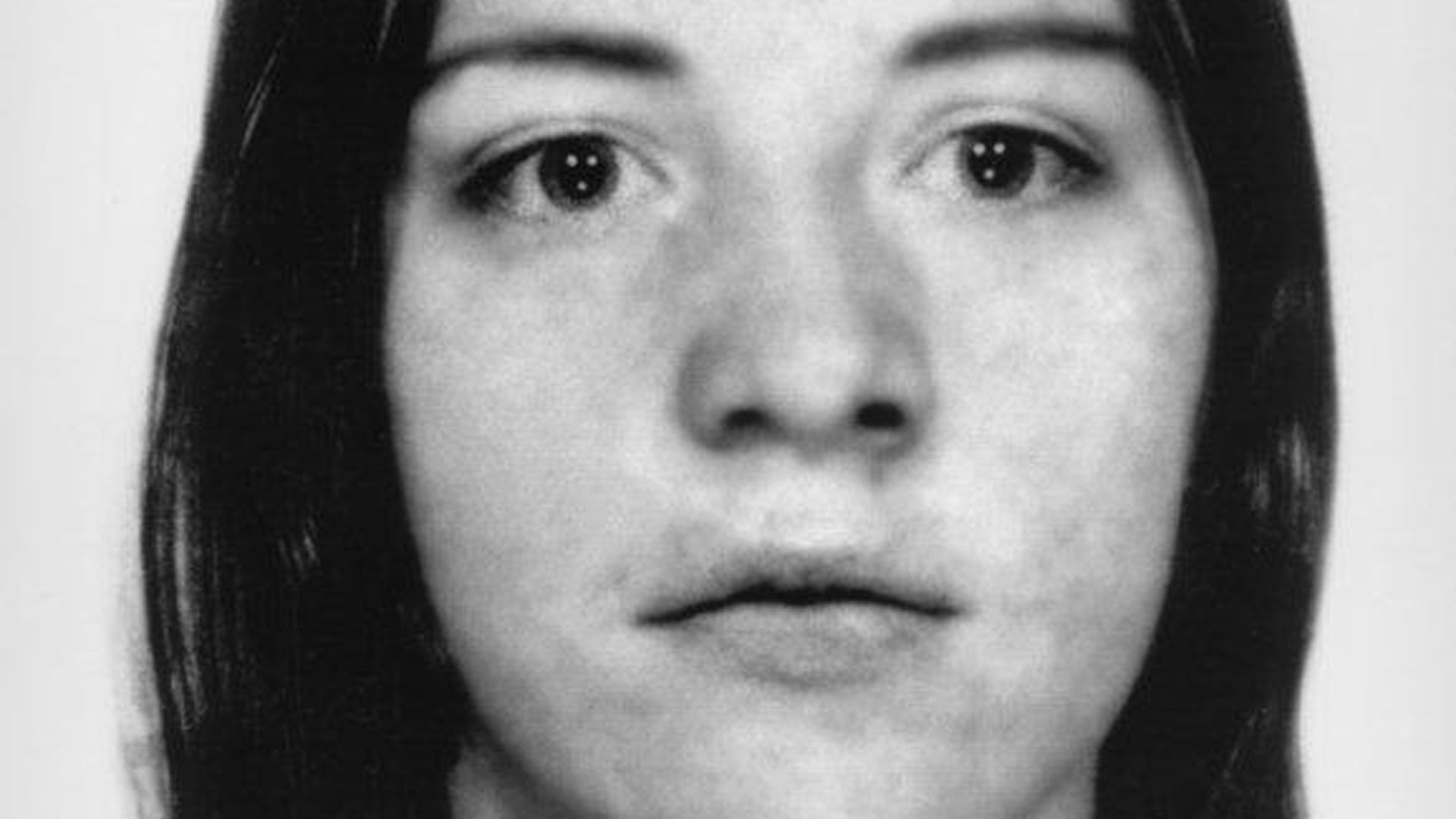
The rain in County Tyrone doesn’t just fall. It settles. It sinks into the black soil, clings to the stone walls, and forces its way into the marrow of anyone stubborn enough to stand against it. For five decades, a specific kind of cold has hovered over the small town of Aughnacloy. It wasn't just the weather. It was the weight of an unanswered question left behind on a Friday night in March 1973.
Marian Beattie was eighteen years old. She had her whole life ahead of her, a phrase that sounds like a cliché until you look at the faded photographs of a girl with wide eyes and a 1970s haircut, standing on the precipice of adulthood. She went to a charity dance at Hadden’s Garage. She was laughing, dancing, breathing the thick, smoky air of a local social event.
Then, she vanished.
Her body was found the next morning in a deserted quarry nearby. She had been brutally murdered. The music had stopped, the crowd had gone home to their warm beds, and Marian was left in the dirt.
For fifty-one years, her family woke up every single morning to the exact same reality. The world moved on. The Troubles raged, then simmered, then slowly gave way to a fragile peace. Technology transformed from rotary phones to smartphones. But in the Beattie household, time froze on March 31, 1973.
Imagine sitting at a kitchen table for half a century, looking at an empty chair, knowing that whoever extinguished that young life was still walking around. Breathing. Eating. Growing old.
Silence can be deafening. In small communities, it can also be terrifying. For decades, the case of Marian Beattie was a dark shadow in the corner of the room, a historical tragedy that seemed destined to remain permanently unresolved. The police files grew yellow. The ink faded. The collective memory of the public began to blur, shifting Marian from a vibrant teenage girl into a statistic from a violent era.
But grief doesn't have an expiration date. Neither does justice.
The breakthrough did not arrive with a flash of Hollywood drama. It came through the grueling, quiet persistence of modern detectives revisiting the ghosts of the past. Police Service of Northern Ireland’s Legacy Investigation Branch took another look at the case. They parsed through old statements, re-examined the layout of the quarry, and utilized forensic perspectives that simply did not exist when the crime occurred. In 1973, DNA was a concept confined to advanced research labs, not a tool for local detectives. Today, a microscopic speck of skin or a single strand of hair can speak volumes across decades.
The culmination of this quiet work shattered the peace of a Tuesday morning.
Detectives arrested a 74-year-old man in the area of Coalisland. The charge? Murder.
The shockwave that rippled through Tyrone was palpable. A man who was a young adult in 1973, who had lived an entire lifetime—perhaps raising a family, holding down a job, watching the seasons change fifty times over—was suddenly forced to confront the actions of his youth.
This arrest is a stark reminder of an uncomfortable truth about cold cases. The perpetrators do not disappear into another dimension. They live among us. They buy groceries at the same supermarkets, they buy petrol at the same stations, and they sit in the same pubs. They grow old and frail, hiding a monster behind the mask of a grandfatherly demeanor.
Consider the immense psychological toll on the surviving family members. Marian’s brother, Isadore, has spent his adulthood campaigning for justice, refusing to let his sister be forgotten. When an arrest like this happens, it isn't an immediate happy ending. It is a violent reopening of an old wound. It forces a family to relive the worst day of their lives all over again, but this time with the added weight of courtroom procedures, legal technicalities, and the sudden, jarring presence of the man who allegedly stole their future.
The legal system moves with an agonizing, bureaucratic slowness. An arrest is not a conviction. There will be hearings, legal arguments, and the meticulous presentation of evidence. The defense will undoubtedly raise questions about the passage of time, the reliability of memories fading over fifty years, and the integrity of evidence preserved from an era before modern forensic standards.
But the true significance of this development stretches far beyond a single courtroom in Northern Ireland.
It sends a chilling message to anyone who thinks they got away with a crime from a bygone era. The passage of time is no longer a shield. The state-of-the-art laboratory techniques of today are constantly evolving, meaning a cold case file is never truly closed. It is merely waiting for technology to catch up with the crime.
The streets of Aughnacloy are quiet again, the initial media circus moving on to the next breaking headline. Yet, everything has changed. The ghost that haunted the quarry for fifty-one years has finally been acknowledged.
Justice is often depicted as a blindfolded woman holding a pair of scales. We forget how heavy those scales are, and how long she is willing to stand in the rain waiting for them to balance. Marian Beattie never got to see her nineteenth birthday, but the echoes of her final night are still clearing the air in Tyrone, proving that even after half a century, the truth refuses to stay buried in the mud.