The morning air in southern Peru often carries a deceptive clarity. From the ground, the desert sky looks like an endless, polished blue bowl, stretching over the sun-baked plateaus of Nazca. It is a landscape that defies time. For centuries, the massive geometric lines and animal figures etched into the earth have drawn travelers from every corner of the globe. They come seeking mystery. They board small, propeller-driven aircraft, eager to lean against hot plastic windows to catch a glimpse of the hummingbird, the spider, and the condor frozen in the ancient dust.
Thirteen souls boarded one such flight. They were European tourists, drawn by the same restless curiosity that compels humans to cross oceans. They carried cameras, guidebooks, and memories of homes thousands of miles away. They were looking for wonder.
They did not find it.
Instead, the sky over the Peruvian desert became the final theater for a tragedy that would ripple across continents, turning holiday anticipation into a grief so heavy it defies geography.
The Weight of a Small Horizon
To understand what happened in those final moments, you have to understand the unique geography of the Nazca tourist flight. These are not commercial jets cruising at thirty thousand feet above the weather. These are small, multi-engine aircraft, often seating less than a dozen passengers, designed to dip and bank sharply so that both sides of the cabin can peer straight down at the geoglyphs.
The pilots who fly these routes are familiar with the thermal currents bouncing off the arid mountains. They know the sudden shifts in wind that sweep across the desert floor. But knowing a hazard and escaping it are two entirely different realities.
Consider what happens next: the plane lifts off the tarmac, the engine's roar filling the cabin, mixing with the nervous chatter of vacationers. Within minutes, the geometric wonders of the desert appear below, looking like crude sketches on a giant canvas. To ensure everyone gets a photograph, the pilot banks the aircraft steeply to the left, then sharply to the right. The horizon tilts violently. The earth spins. For a tourist, it is a thrilling, stomach-drop experience.
For the mechanics of flight safety, it is a margin of error measured in inches and seconds.
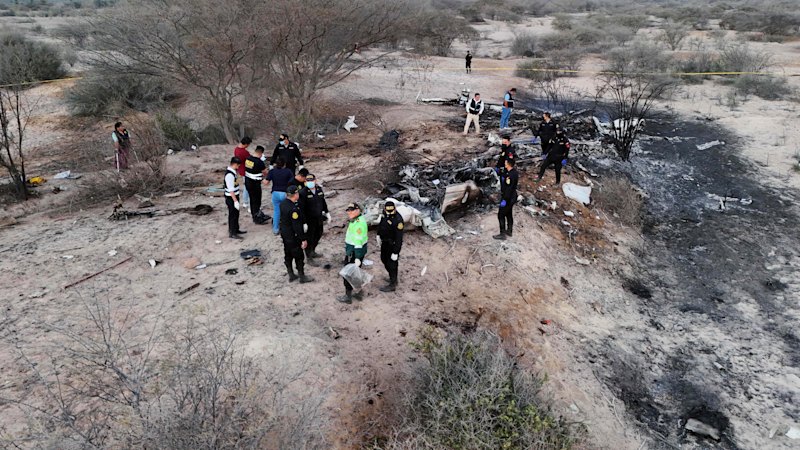
On that fateful day, the aircraft went down. The details, when they finally filtered through official channels, were agonizingly sparse. A sudden loss of altitude. A plume of black smoke rising into the pristine blue. By the time emergency responders reached the wreckage scattered across the hostile terrain, the silence was absolute. Thirteen people—spouses, parents, children, friends—were gone.
The Anatomy of a Routine Risk
Whenever a tragedy like this strikes a tourist destination, a familiar chorus erupts. People ask how it could happen. They point fingers at safety regulations, pilot fatigue, or aging aircraft. But the truth is rarely neat enough for a single villain.
Travel involves an invisible bargain. Every time we step onto a plane, a train, or even a local tour bus in a foreign country, we sign a contract with probability. We trade the safety of our familiar living rooms for the expansion of our minds. We calculate the risk as negligible because the alternative—staying home—feels like a waste of life.
The aviation sector in Peru's Nazca region has faced scrutiny before. Over the years, rapid tourism growth has occasionally outpaced the rigorous oversight required for high-frequency, low-altitude charter flights. When demand surges, the pressure on operators intensifies. Turnaround times shrink. Maintenance windows narrow.
Yet, reducing a disaster to a spreadsheet of statistics strips away the human core. Behind every number in a news headline is a room left empty in a European home. A suitcase left unpacked. A phone call that will never ring.
I remember standing on a similar airstrip years ago, watching tourists queue up for a sightseeing flight. The excitement was palpable, almost contagious. People were laughing, swapping travel tips, carefree in a way only vacationers can be. I watched the pilots, too. They had weathered faces, tanned deep by the desert sun, carrying the quiet focus of professionals who cheat gravity daily. You look at them and you trust them. You have to. Because if you truly let yourself contemplate the physics of a twin-engine plane banking over a ravine, you would never leave the ground.
The Echoes Across Borders
When a plane crashes in a remote desert, the shockwaves do not stop at the impact site. They travel instantly through fiber-optic cables to living rooms in Madrid, Paris, Berlin, or London.
The immediate aftermath is a blur of bureaucratic nightmare. Consulates are notified. Families are thrust into the most agonizing journey of their lives—flying halfway across the world not to explore a new culture, but to identify a loved one in a foreign morgue. The language barrier transforms simple questions into insurmountable hurdles. The grief is compounded by unfamiliarity.
This is the hidden cost of wanderlust. We romanticize travel as an act of personal transformation, a way to collect stamps in a passport and broad perspectives. We rarely talk about the price paid when the machinery of tourism falters.
Investigations into the Nazca crash will eventually yield a report. Investigators will analyze flight data recorders, examine twisted metal, and measure wind speeds. They will issue recommendations. Some rules might change. A few inspectors might lose their jobs.
And then, gradually, the airstrips will fill up again.
New groups of travelers will arrive. They will look out over the desert with wide, eager eyes. They will board the planes.
Because the human drive to witness the wonders of this earth is stronger than our fear of its dangers. We are creatures built to look outward, to seek connection with the ancient past, even when that search demands the ultimate price.
The wind continues to blow across the Nazca lines, shifting the dust over centuries-old drawings, indifferent to the lives that brush past them, leaving only the quiet desert and the memory of those who flew too close to the sun.