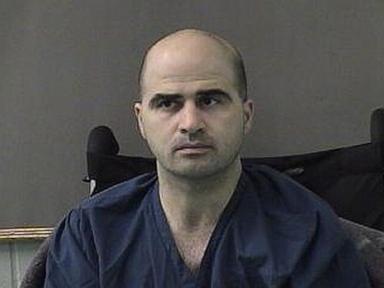
The wind blows low and dry across the flat expanse of Fort Hood, rattling the dry grass where boots once marched in crisp, rhythmic unison. Concrete and steel dominate this landscape, monuments to a military machine designed for mobilization, precision, and endurance. Yet, beneath the hum of barracks generators and the distant roar of engines on the range, a heavy quiet lingers. It is a quiet born of a November afternoon in 2009, when the air turned sharp with the crack of gunfire, and a sanctuary of readiness became a killing floor.
Military justice moves slowly. It drags its feet through thickets of procedure, appeal, and institutional soul-searching. But twenty-six years had passed since a United States soldier faced execution by firing squad. The apparatus of the Army, built to look forward, found itself staring backward, bound to an ancient protocol of lead, powder, and lined rifles. Also making headlines in this space: Ankara and Islamabad Forge Riyadh Security Accord Amid Red Sea Escalation.
Order is everything in the ranks. When that order ruptures from within, the system demands a reckoning that matches the gravity of the betrayal.
Consider what happened next, years after the smoke cleared from the Soldier Readiness Processing Center. The courts martial concluded, the appeals wound through civilian and military dockets, and the legal Further details regarding the matter are covered by USA Today.