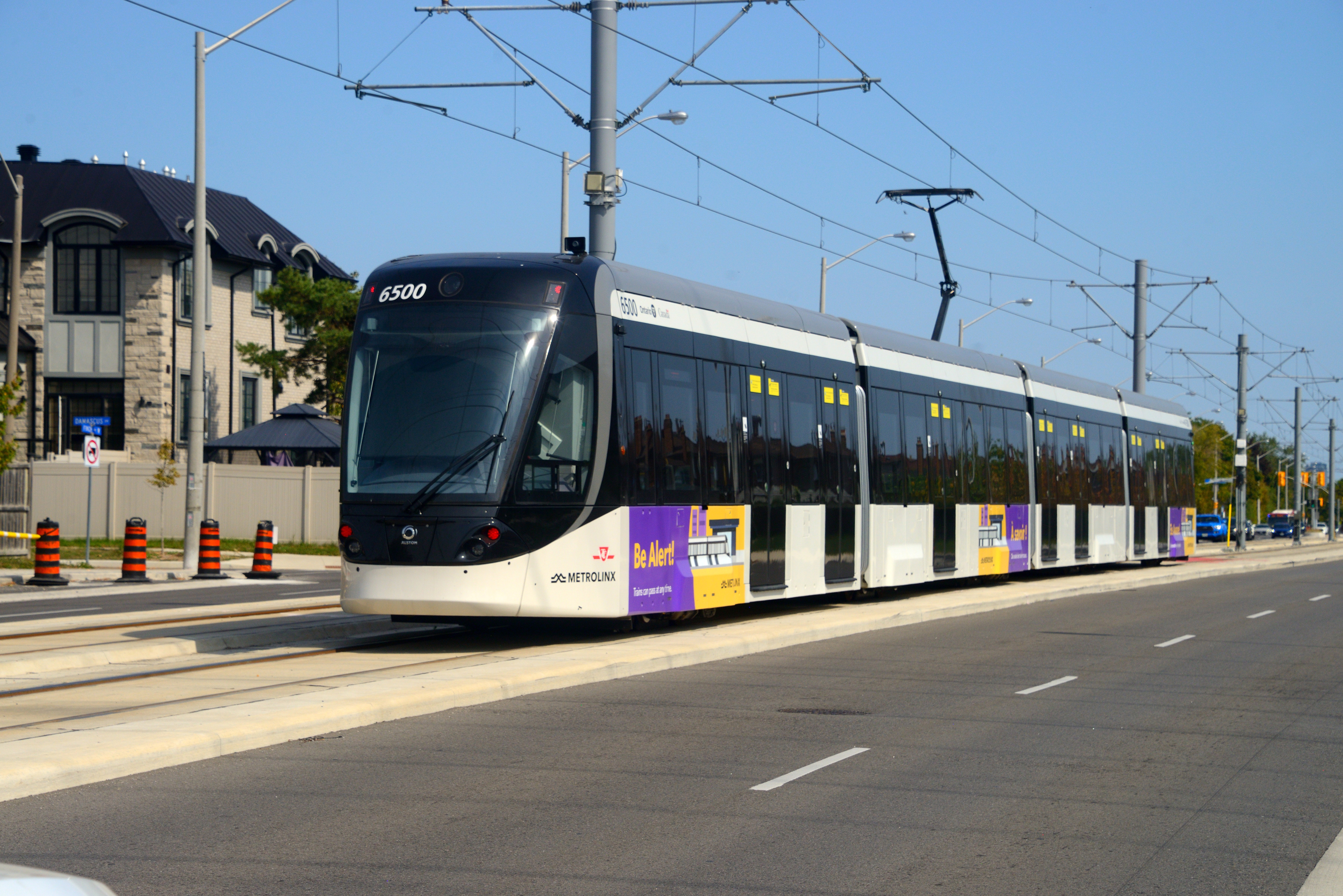
Metrolinx just announced a three-day maintenance closure for the Finch West LRT. This comes only months after the line finally opened to the public. If you're a commuter who relies on this route, you're probably annoyed. It feels like the ink on the ribbon-cutting ceremony isn't even dry yet and the tracks are already going dark. But if we look at how modern light rail systems actually work, this isn't a failure. It's a necessity.
The shutdown will pause service between Humber College and Finch West Station. Buses will take over. It's a headache, sure, but there’s a massive difference between "broken" and "planned maintenance." When you build a multi-billion dollar transit line through one of the busiest corridors in Toronto, you don't just "set it and forget it."
The real reason for the Finch West closure
Most people think new things shouldn't need fixing. That's a myth when it comes to heavy infrastructure. The first few months of any LRT operation are essentially a high-stakes stress test. Thousands of passengers, varying weather conditions, and constant vibrations put pressure on components that were only tested in controlled environments during the construction phase.
Metrolinx is using this 72-hour window to handle "warranty-related work" and system adjustments. Think of it like the 1,000-mile oil change for a new car. You aren't doing it because the engine died. You’re doing it so the engine doesn't die. They need to inspect track switches, overhead power lines, and the communication sensors that keep the trains from getting too close to each other. Doing this while trains are running is dangerous and slow. Shutting it down for three days lets crews work around the clock without looking over their shoulders for an oncoming train.
Transit shutdowns and the public trust gap
Toronto has a complicated relationship with transit. We’ve seen the Eglinton Crosstown delays stretch into what feels like a lifetime. Because of that history, any news of a closure on a "new" line like the Finch West LRT triggers a defensive reflex in the city. We immediately assume something went wrong behind the scenes.
I’ve talked to engineers who worked on similar projects in Ottawa and Kitchener-Waterloo. They all say the same thing. The transition from "construction project" to "active transit line" is the most volatile period. Soil settles. Metal expands. Software needs patches. If Metrolinx ignored these minor adjustments now, we’d be looking at a catastrophic month-long closure three years from today. They're choosing the smaller, controlled pain now to avoid a total system collapse later.
What you need to do during the maintenance window
Don't just show up to the platform expecting a train. Metrolinx is running replacement buses, but they won't be as fast as the LRT. The Finch West line is popular because it bypasses the brutal surface traffic that plagues Finch Avenue. Once you put those passengers back on buses, they’re stuck in the same gridlock as everyone else.
- Leave 20 minutes early. The transfer from the subway to a replacement bus takes longer than the seamless walk to the LRT platform.
- Check the transit apps. Don't rely on the static posters. Use real-time tracking to see where the shuttle buses actually are.
- Avoid peak hours if possible. If you can shift your commute by even 30 minutes, do it. The shuttle buses will be packed.
Why we should stop babying new infrastructure
There's this weird trend in North American urban planning where we pretend everything is perfect the moment it opens. It’s a PR move. Instead, transit agencies should be honest. They should tell us from day one that the first year will have scheduled shutdowns.
The Finch West LRT is a 10.3-kilometre stretch with 18 stops. It’s a massive win for Northwest Toronto, an area that has been ignored for decades. A three-day closure is a tiny price to pay for a system that actually stays on the tracks for the next fifty years. We need to stop viewing maintenance as a sign of weakness and start seeing it as a sign of a responsible operator.
Infrastructure reality vs political optics
Politicians hate these shutdowns. They want to point at the shiny new train and say "Look, I did that." Maintenance isn't sexy. It doesn't get you votes. But the technical reality is that the Finch West corridor is a harsh environment. We have salt on the roads in winter and extreme heat in the summer. These conditions chew through transit components.
If you look at cities like London or Tokyo, they have scheduled maintenance windows built into the very fabric of their schedules. We're just not used to it here yet. We expect 100% uptime, which is statistically impossible. The fact that Metrolinx is being proactive about the Finch West LRT maintenance suggests they're actually learning from the mistakes made on other lines. They're fixing the small stuff before it becomes the big stuff.
Check the official Metrolinx or TTC websites for the exact dates of the closure. Map out your alternative route now. Don't wait until you're standing on a cold platform wondering where the train is. This is the new normal for a city that’s finally growing its transit footprint. Get used to the shuttle buses occasionally; they’re the reason the trains stay safe.