Smoke on the Red Sea
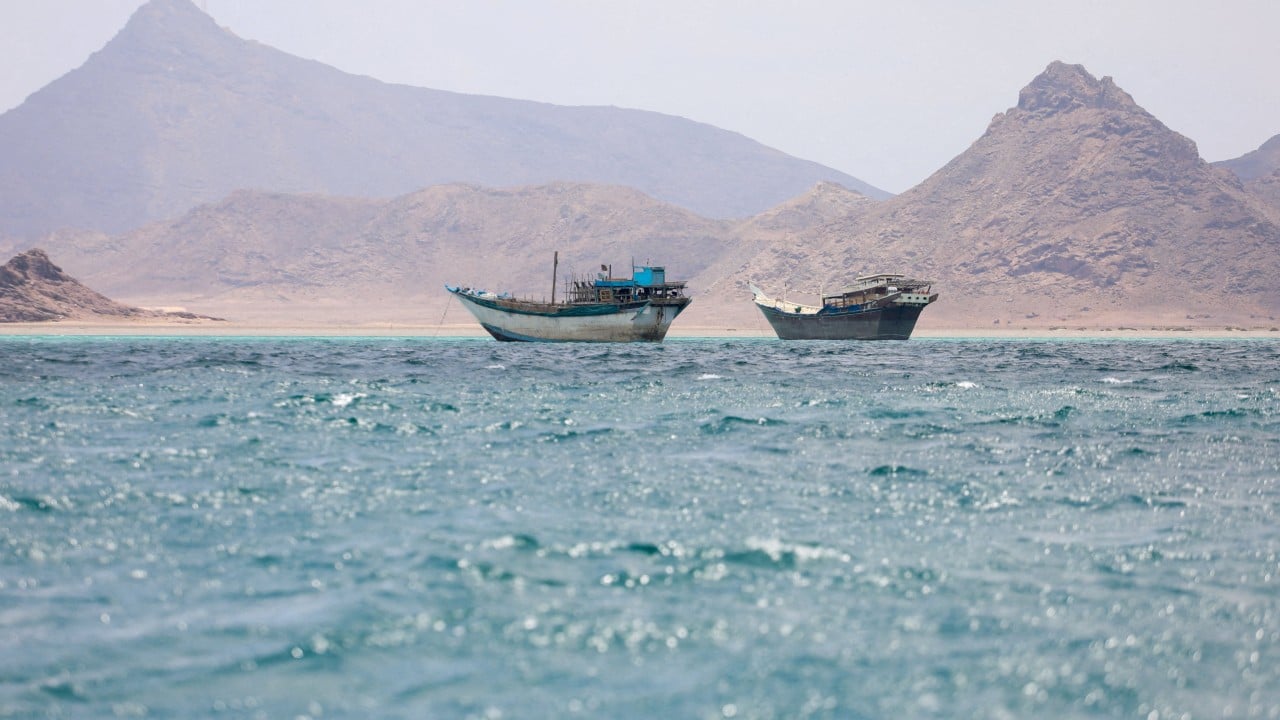
The water off the coast of Yemen was dead calm until the drone hit.
On the bridge of the Encelia, a Saudi-flagged crude tanker carrying hundreds of thousands of barrels of oil, the sirens didn't give much warning. Within seconds, a fireball tore across the bow. Smoke billowed into the dark morning air, masking the blue waters of the Bab el-Mandeb Strait. The crew evacuated safely, but the flames on the ship signaled something far larger than a damaged vessel.
Thousands of miles away, a morning commuter in Ohio stared at a digital pump display clicking relentlessly past four dollars a gallon.
That is how global geopolitical crises enter ordinary lives. Not through diplomatic cables or high-level summits, but through a red digital counter spinning at a local gas station.
When Houthi forces launched drone and missile strikes against two Saudi oil tankers—the Encelia and the Layla—they weren't just targeting ships. They were closing a valve on the global economy. By imposing a naval embargo on Saudi Arabia's Red Sea ports, the Yemeni militant group clamped down on the secondary artery the kingdom had been using to bypass the blocked Strait of Hormuz.
Within hours, international oil benchmark Brent crude shot past $100 a barrel.
The Chokepoint Dilemma
Geography is unforgiving.
For months, as conflict choked off movement through the Strait of Hormuz in the Persian Gulf, Saudi Arabia adapted. The kingdom diverted millions of barrels of crude per day across its desert interior via pipeline, pumping the liquid energy to the Red Sea port of Yanbu. From Yanbu, tankers could slide down through the narrow Bab el-Mandeb Strait into the Indian Ocean, keeping global factories running and gas stations supplied.
It was a clever detour. But detours rely on open roads.
By striking tankers along this southern corridor, Houthi forces effectively locked the back door. Analysts call it a double choke. For a global economy already operating on thin margins, it felt like an iron fist squeezing a throat.
Consider what happens next: when 25% of the world's transit routes face simultaneous threats, panic replaces planning. Shippers turn their vessels around. Insurance premiums for maritime transit skyrocket overnight. Traders bid up the price of every remaining barrel of crude on the open market, terrified of what tomorrow's headline might bring.
Chaos. Pure and simple.
The Threat of "Major Punishment"
From Washington, the reaction was swift and fierce.
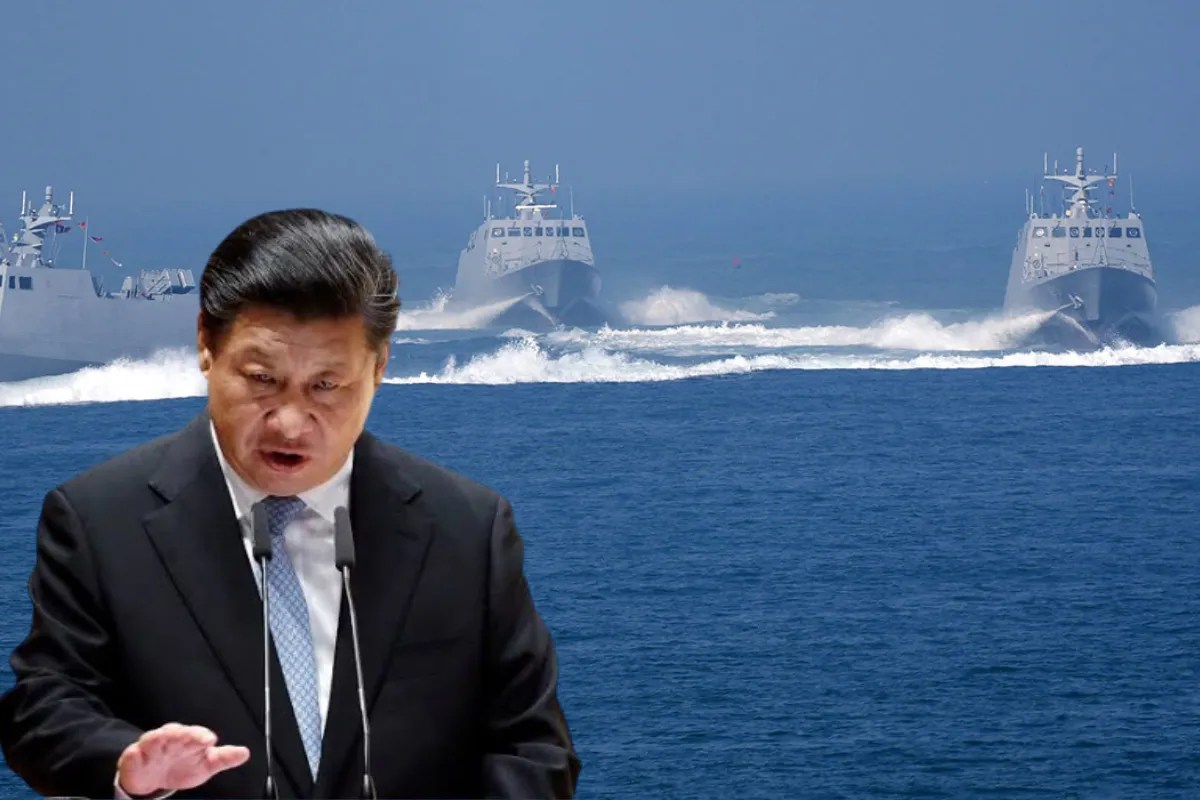
United States President Donald Trump took to social media to deliver a sharp warning to both Yemen's Houthi fighters and their primary sponsor in Tehran. Trump declared that the U.S. would hold Iran directly accountable for any continued proxy aggression in the Red Sea, promising "major military punishment" if the maritime assaults did not stop immediately.
"I am considering a massive attack," Trump stated shortly after. "Bigger than ever before. I am close to making a decision."
The rhetoric marked an intense escalation following twelve straight nights of U.S. strikes against Iranian military infrastructure, drone storage depots, and coastal surveillance sites. Meanwhile, Secretary of State Marco Rubio underscored the administration's stance, noting that the economic and military price paid by Iran would grow steeper every single night until attacks ceased.
Yet, military threats do not instantly fill empty oil pipelines.
Markets react to risk, and right now, the risk is structural. With central bank interest rates climbing and stock markets sliding, the financial shockwaves of a hundred-dollar barrel are washing over middle-class households worldwide.
Beyond the Numbers
Numbers on a ticker screen can feel abstract. A seven percent surge in Brent crude sounds like a technical adjustment for Wall Street traders.
It isn't.
Oil is the foundational input for human civilization. It is the diesel in the tractor harvesting wheat in Kansas. It is the fuel powering the container ship carrying electronics across the Pacific. It is the asphalt on the road and the plastic in the IV bag at a local hospital.
When crude crosses $100, everything gets more expensive. Food costs rise because freight charges increase. Airline tickets spike. Manufacturing plants recalculate their monthly overhead, forced to choose between raising prices or cutting jobs.
The human cost of conflict in the Middle East is measured first in lives lost and communities shattered. But its secondary ripple effect reaches every kitchen table on Earth.
A sailor dodging fire on a burning ship in the Red Sea and a parent deciding whether they can afford a full tank of gas to drive their kids to summer camp are connected by an invisible thread. That thread is the global energy supply chain—fragile, volatile, and currently stretched to its absolute breaking point.
The Dark Horizon
Naval vessels now patrol the narrow waters of the Red Sea, their radars sweeping the horizon for approaching drones. On the water, crew members scan the sky, knowing that a single unmanned aircraft carrying a few dozen pounds of explosives can disrupt the commerce of entire nations.
Back in Washington, military planners weigh target maps while energy analysts calculate strategic petroleum reserves.
The immediate future hangs on a knife-edge. If military deterrence reopens the sea lanes, prices may cool. But if the strikes continue and the Bab el-Mandeb remains a shooting gallery, the hundred-dollar barrel of oil won't be a temporary spike. It will be the new baseline.
Night falls over the Red Sea. Somewhere off the coast, a tanker captain stares into the dark, watching the water for the faint glint of an incoming missile.