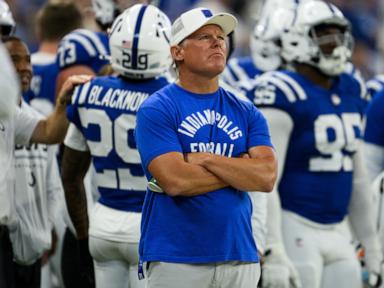
Everyone is writing the obituary for the Indianapolis Colts. Again. The lazy consensus says firing Chris Ballard mid-season or right as problems pile up is a panic move that guarantees another wasted year, a fractured locker room, and an uphill battle nobody can climb.
Wrong. Completely wrong.
A mid-season or late-season firing isn't the anchor dragging a franchise down. Waiting years to pull the plug on stale processes is. When a front office loses its edge, keeping the same voice in charge of roster construction, cap allocation, and draft philosophy doesn't preserve stability. It compounds mistakes.
I have watched organizations cling to "continuity" like a life raft while taking on water from every side. You burn cap space on safe extensions. You draft for traits over production because you are trying to prove an old evaluation model still works. You talk yourself into average because average feels safer than starting over.
Let's strip away the melodrama and look at what is actually happening when a general manager gets shown the door in Indianapolis.
The Myth of "Saving the Season" After Firing the GM
When a headline claims a team faces an uphill battle to save its season because the general manager was fired, it usually confuses short-term optics with actual football operations.
A general manager does not call third-and-six. A general manager does not set blitz protections or adjust coverage shells at halftime. On a week-to-week basis, the head coach, coordinators, and players on the field decide whether a game is won or lost. Firing the GM removes the architect of the roster, not the people currently executing the game plan.
In fact, removing a long-tenured executive often changes the internal temperature in ways pundits ignore. Interim leadership and remaining coaches no longer have to filter every decision through a rigid organizational hierarchy or defend past personnel bets. Urgency replaces inertia. When players realize nobody's job is insulated by past draft capital or historical loyalty, complacency evaporates fast.
That does not mean a team suddenly turns into a juggernaut overnight. It means the season isn't dead just because the suit in the front office cleaned out his desk.
Why "Continuity" Is Often Just Expensive Denial
NFL analysts love the word continuity. It sounds smart. It sounds patient. Most of the time, it is just an excuse for avoiding hard decisions.
Consider how general managers operate when their seat warms up. Self-preservation creeps into roster building. Draft picks skew toward high-floor veterans or familiar archetypes rather than high-upside swings. Free-agent dollars go toward short-term band-aids to patch holes the front office created two years earlier.
Bill Walsh and Ron Wolf didn't build dynasties by protecting old assumptions; they built them by ruthlessly evaluating talent, adapting to league trends, and refusing to fall in love with sunk costs. Even Bill Belichick, famous for rigid control, constantly churned the bottom of the roster so nobody got comfortable. When a front office stops refreshing its convictions, continuity becomes stagnation in a nicer suit.
What People Actually Ask When a GM Gets Fired
Whenever a move like this happens in Indianapolis, the same questions flood search bars and sports talk radio. Most of them start from a broken premise.
"Does firing Chris Ballard mean the Colts are punting on the rest of the season?"
No. Punting is trading away veteran contributors for Day 3 picks in April while waving a white flag in the locker room. Firing a general manager changes who owns long-term roster decisions; it does not force the head coach to tank on Sunday.
Players play for tape, bonuses, pride, and next contracts. Coaching staffs coach to keep their own jobs. If the team still has a mathematical path or pride to play for, the locker room's immediate incentive structure doesn't flip to surrender just because the GM is out.
"How much damage did past draft and free-agent misses do to the current roster?"
More than apologists admit, less than doomers claim. Every NFL roster is a patchwork of hits, misses, injuries, and cap compromises. You cannot undo a bad contract or a missed second-round pick on a Tuesday afternoon.
What you can change immediately is snap distribution. When a new voice or interim structure evaluates the depth chart with fresh eyes, young players stuck behind "pedigree" or "draft status" often get real reps. Sometimes you discover a starter hiding in plain sight. Other times you confirm who isn't part of the future before wasting another month of snaps.
"Can an interim GM or remaining staff actually fix roster flaws mid-stream?"
Mid-season roster magic is mostly a myth. Waiver wire pickups rarely transform a franchise. Practice squad call-ups provide depth, not salvation.
The real value in the immediate aftermath isn't blockbuster transactions. It is clarity. Ownership finally admits the current blueprint isn't delivering. Evaluation for the next regime starts early. Instead of spending November and December debating whether the process works, the organization spends those weeks stress-testing every player, coach, and system under real pressure.
The Real Problem the Colts Have Been Avoiding
Here is the uncomfortable truth the conventional narrative dances around: firing a general manager never fixes quarterback volatility or structural roster imbalances by itself.
If a team lacks consistent high-level quarterback play, pass rush off the edge, or reliable perimeter separation, changing the title on the third floor doesn't magically invent those traits. Drafting well helps. Free agency helps. Cap discipline helps. None of those replace finding the right quarterback and pairing him with an offensive ecosystem that maximizes his strengths.
Imagine a scenario where a franchise spends six or seven seasons drafting solid depth pieces, managing the salary cap cleanly, and hitting on occasional mid-round value—yet still hovers around mediocrity because the biggest positional levers never fully clicked together. On paper, the front office looks "reasonable." In reality, reasonable doesn't win titles in a quarterback-driven league. Reasonable keeps you stuck in the middle where you aren't bad enough for a top-three pick and aren't good enough to scare contenders in January.
I've seen front offices get trapped in that exact purgatory. Every move looks defensible in isolation. Together, the ceiling stays capped.
A Better Way to Evaluate Roster Moves (And Where My Take Can Backfire)
If you want to judge whether a franchise is actually turning a corner after firing a GM, stop looking at press conferences and start tracking incentives and allocation.
- Audit snap counts against future value. Are unproven players with upside earning real evaluation reps when games get out of hand, or are aging veterans getting hollow snaps?
- Watch how cap space and future picks are treated. Desperation looks like mortgaging tomorrow to win a meaningless game today. Discipline looks like protecting flexibility while competing hard with what you have.
- Separate scheme flaws from talent flaws. A play-caller running predictable concepts doesn't automatically have a bad roster, and a bad roster doesn't automatically have a terrible play-caller. Diagnose the bottleneck honestly.
- Demand accountability at every level. If the GM goes, the evaluation of coaching, scouting, and medical/conditioning processes has to be just as honest. One scapegoat isn't a strategy.
Now, let's be honest about the downside of my own argument. Cutting ties with a general manager can blow up in your face. If ownership has no clear succession plan, no aligned football philosophy, or a habit of meddling without expertise, a firing can spark chaos instead of clarity. New decision-makers can overcorrect—trading away good young players just to put their own stamp on the roster, or chasing splashy free agents that wreck future cap health.
A bad change is worse than no change at all. Getting rid of the wrong leader doesn't guarantee hiring the right one.
Stop Mourning the Old Plan and Start Demanding a Real One
Feeling sorry for a team because it moved on from a general manager who wasn't getting the job done is backwards. The real uphill battle wasn't created by the firing. It was created by letting years slip by without getting over the hump.
Championship teams are built on ruthless self-scouting, sharp cap management, elite quarterback play, and zero attachment to past mistakes. If firing Chris Ballard forces Indianapolis to confront hard truths instead of hiding behind polite excuses, it isn't the end of anything worth saving.
It's the first honest step they've taken in a long time.