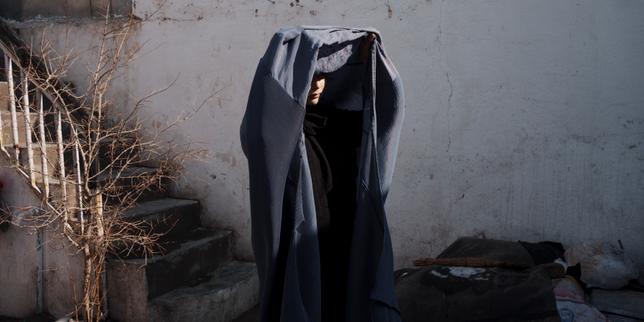
August 15, 2021, remains etched in global memory as the day the Western coalition's twenty-year engagement in Afghanistan collapsed in real time. As Kabul fell to the Taliban, airport tarmac footage of desperate citizens clinging to departing military cargo planes shocked the international community. Half a decade later, the immediate chaos of evacuation has faded from daily foreign headlines, leaving behind a stark reality for the millions left behind. Women and girls bear the heaviest burden of this geopolitical retreat, navigating a systematic erasure from public life that defies international human rights standards.
The institutional dismantling of female agency in Afghanistan did not happen overnight, yet its speed caught international diplomats off guard. Within months of seizing power, the de facto authorities issued a cascade of decrees restricting education, employment, movement, and expression. Secondary schools and universities slammed shut for female students. Offices, beauty salons, and public parks vanished as accessible spaces for women. This systematic exclusion constitutes a unique form of systemic oppression recognized by legal scholars as gender persecution. Meanwhile, you can read similar developments here: Why Counting Tonnage In Gaza Humanitarian Aid Is A Dangerous Illusion.
Understanding the current crisis requires examining the mechanics of economic collapse that accompanied the political transition. Foreign aid, which previously financed up to three quarters of the public sector budget, froze overnight. Central bank reserves held abroad were blocked, triggering a liquidity crisis that crippled domestic commerce. International sanctions, designed to pressure the regime, inadvertently strangled the broader civilian population. Amid this financial devastation, women who once sustained households as civil servants, journalists, and entrepreneurs found their livelihoods systematically legislated out of existence.
Beneath the macro-level policy changes lies a vast web of underground resistance and adaptation. Deprived of formal education channels, underground schools operate in private living rooms across Kabul, Herat, and Mazar-i-Sharif. Teachers risk imprisonment to instruct teenage girls in mathematics, literature, and science using smuggled textbooks and digital applications. These clandestine networks demonstrate extraordinary resilience, yet they remain fragile, operating under the constant threat of neighborhood surveillance and brutal enforcement by religious police. To understand the bigger picture, we recommend the excellent article by The Washington Post.
The psychological toll on this generation of Afghan women is profound and largely unquantified. Sleep disorders, chronic anxiety, and severe depression run rampant in communities cut off from social outlets and professional purpose. Mental health professionals note that the erasure of future aspirations creates a distinct collective trauma. Mothers watch their daughters grow up with horizons intentionally narrowed to the interior walls of their homes, fostering an atmosphere of quiet desperation that permeates daily life.
Diplomatic engagement with the Taliban administration presents a persistent dilemma for the international community. Western governments maintain a policy of non-recognition while attempting to deliver humanitarian aid through multilateral agencies. However, humanitarian delivery mechanisms face constant interference. Restrictions on female aid workers severely hamper the distribution of food and medical supplies, creating an impossible ethical bind for international organizations operating on the ground. Compromising on staffing principles risks complicity in exclusionary practices, while withdrawing entirely ensures starvation and medical neglect for vulnerable populations.
Regional geopolitics further complicate any coordinated response. Neighboring states prioritize border security and economic stability over human rights advocacy, often engaging pragmatically with the administration in Kabul to curb narcotics trafficking and manage refugee flows. This fractured international consensus robs Afghan civil society of the unified pressure necessary to force concessions on basic civil liberties.
Economic survival strategies have forced many families into desperate measures. Child marriage rates have risen sharply as impoverished households struggle with debt and food insecurity. Informal economic niches, such as home-based tailoring and carpet weaving, provide meager incomes but offer little protection against arbitrary enforcement of movement restrictions. The informal economy absorbs millions, yet it lacks legal protections, leaving workers vulnerable to exploitation and extortion.
The narrative of total defeat promoted by external observers obscures the stubborn persistence of local resistance. Women continue to find innovative ways to assert their presence, whether through digital advocacy from exile or localized mutual aid networks inside the country. These efforts remind the world that agency cannot be completely legislated away, even under the most repressive conditions imaginable.
Five years after the collapse of the republic, the situation in Afghanistan defies simple categorization. It is neither a settled political reality nor an active crisis receiving sustained international attention. It is a slow-motion human rights emergency where millions are systematically silenced behind closed doors. The international community faces an ongoing test of its commitment to universal human rights, while the women of Afghanistan continue to endure an unprecedented test of endurance in the ruins of their former lives.