Commercial aviation relies on a fragile trust. You step onto a metal tube, push away from the gate, and place your life entirely in the hands of two people sitting behind a locked flight deck door. You assume they are there to fly you safely to your destination. You rarely stop to think about what happens if one of them decides to turn against the passengers.
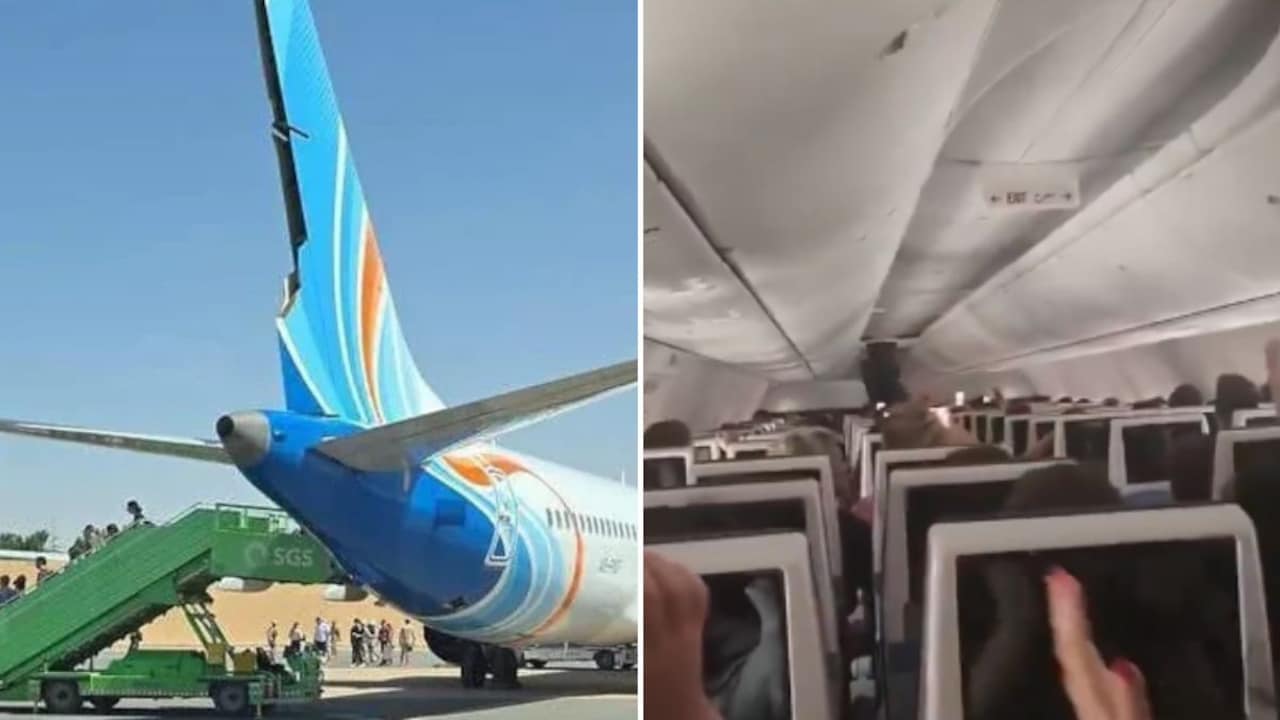
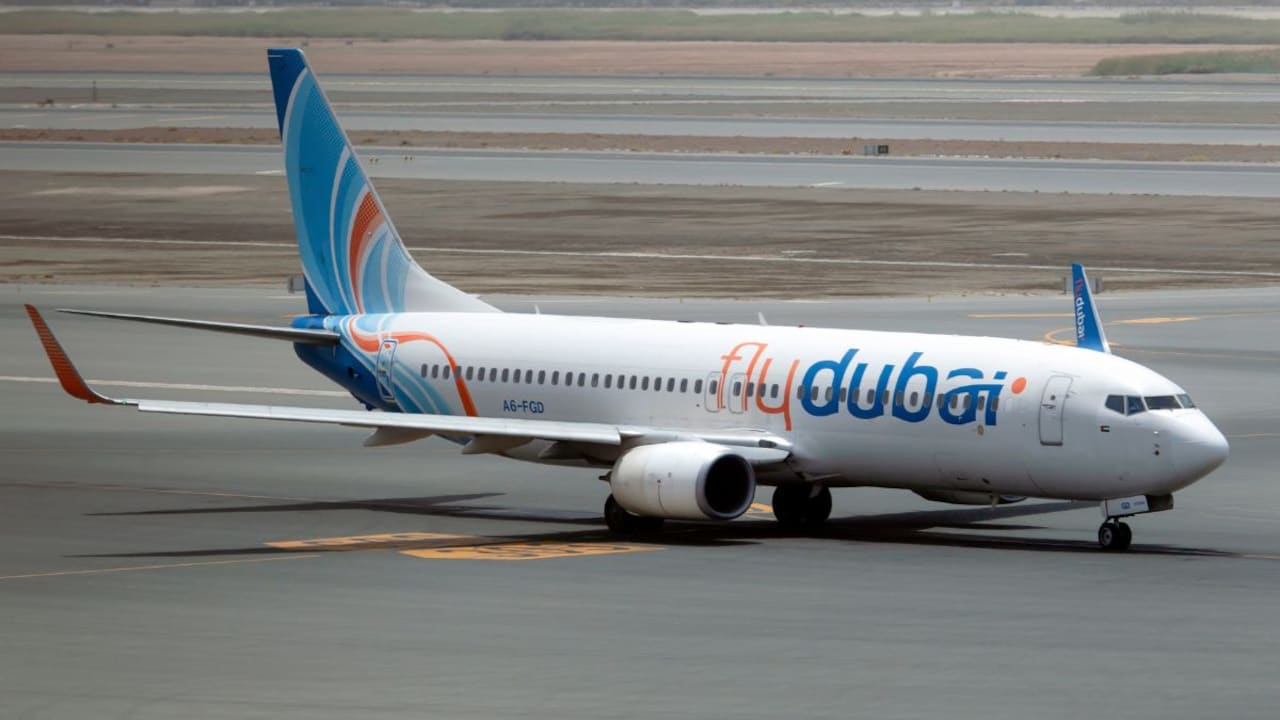
When reports surfaced about an extreme mid-air disturbance on a flydubai flight where a pilot allegedly attempted to take control of the aircraft, the immediate panic centered on the worst-case scenario. Was it a terror attack? Was it a rogue employee? Aviation authorities scrambled to contain the narrative, but the incident ripped open a conversation the industry has tried to sweep under the rug for years. Cockpit security changed forever after September 11, but hardening the door against outside threats created a brand new nightmare. Expanding on this theme, you can find more in: Stop Blaming Ibiza For The Inevitable Realities Of Aging Abroad.
You locked the potential terrorist out. But what happens when the threat is already inside?
The Flawed Logic Of The Fortress Cockpit
Let us look at how commercial aviation security evolved. Following the tragedies of 2001, airlines worldwide rushed to install reinforced cockpit doors. These heavy barriers feature electronic deadbolts, bulletproof materials, and peepholes designed to withstand physical assault from the cabin. Analysts at Al Jazeera have also weighed in on this matter.
The strategy worked brilliantly against hijackers trying to breach the flight deck from passenger seating. Yet, it created an unintended consequence. Flight decks became isolated islands.
If a pilot suffers a sudden mental health crisis, experiences a psychotic break, or deliberately attempts to sabotage the aircraft, the other crew member faces a terrifying obstacle. Breaking back through a reinforced cockpit door from the inside or outside is nearly impossible without codes or heavy tools. The fortress protects the pilots from the world, but it also protects a compromised pilot from everyone else.
Aviation experts have warned about this loophole for over a decade. Tragedies like the deliberate downing of Germanwings Flight 9525 in 2015 proved that an isolated flight deck can become a weapon. Despite those warnings, regulatory bodies have been painfully slow to mandate structural changes that address insider threats.
What Actually Happens When A Pilot Snaps
Incidents involving pilot incapacitation or erratic behavior are terrifyingly rare, which is precisely why airlines are unprepared for them. When a pilot experiences severe medical emergencies, cognitive impairment, or acute psychological distress at thirty thousand feet, standard operating procedures are tested to their absolute limits.
In typical multi-crew environments, cross-monitoring is the safety net. Pilot A flies while Pilot B monitors instruments and communicates with air traffic control. If Pilot A acts erratically, Pilot B is supposed to intervene, take control, and lock the other pilot out or restrain them.
Reality is rarely that clean.
In the flydubai incident, reports indicated a sudden struggle for control of the flight controls. When physical violence or sudden resistance occurs inside a confined space the size of a walk-in closet, standard CRM (Crew Resource Management) protocols break down instantly. You cannot calmly execute a checklist when a colleague is actively fighting you for the yoke.
Flight attendants are trained to handle unruly passengers in the cabin. They receive virtually no training on how to break into a fortified cockpit or subdue a trained pilot who has gone rogue. If the remaining pilot in the cockpit is overpowered or confused, the aircraft becomes entirely unguided.
The Mental Health Taboo In Commercial Aviation
We need to talk about the elephant in the room. Pilot mental health remains heavily stigmatized across the global aviation industry.
Pilots work grueling schedules. They cross multiple time zones, suffer from chronic sleep deprivation, and shoulder immense pressure managing hundreds of lives while dealing with technical malfunctions, severe weather, and unruly passengers. Yet, if a pilot admits to experiencing anxiety, depression, or personal trauma, the consequences are immediate and brutal.
They risk losing their medical certificate. They risk losing their livelihood, their career, and their identity.
Because the system punishes vulnerability, pilots learn to hide their struggles. They mask symptoms, push through mental exhaustion, and avoid seeking therapy. When mental health issues go untreated and unsupported due to fear of career destruction, minor stress can snowball into a catastrophic crisis.
Airlines and regulatory agencies like the FAA and EASA offer peer support programs, but many pilots view them with deep suspicion. Until airlines create a confidential, supportive pathway for mental health treatment that does not automatically end a pilot's career, incidents involving sudden psychological distress will continue to happen.
How Airlines Must Fix This Vulnerability Immediately
You cannot completely eliminate human unpredictability. People crack under pressure. However, aviation security can and must adapt to handle insider threats rather than pretending they do not exist.
Airlines must rethink cockpit access protocols. Relying solely on a two-person rule—where a flight attendant must enter the cockpit anytime a pilot steps out to use the lavatory—is a band-aid solution. It introduces new security vulnerabilities by opening the heavy door mid-flight.
Instead, the industry should accelerate research into remote override capabilities and advanced biometric monitoring systems. Ground-based operations centers already monitor aircraft telemetry in real-time. Developing secure protocols that allow authorized personnel on the ground or senior management to override certain autopilot functions or lock out compromised controls during verified emergencies could save hundreds of lives.
Furthermore, psychological screening needs a radical overhaul. Annual checkups should look beyond basic physical fitness and test for acute stress indicators, cognitive burnout, and emotional stability.
Flydubai and other carriers escaped disaster this time because crew members and surviving personnel fought back and regained control before the situation passed the point of no return. Relying on sheer luck is not a safety strategy. Fix the blind spots before the next emergency turns fatal.