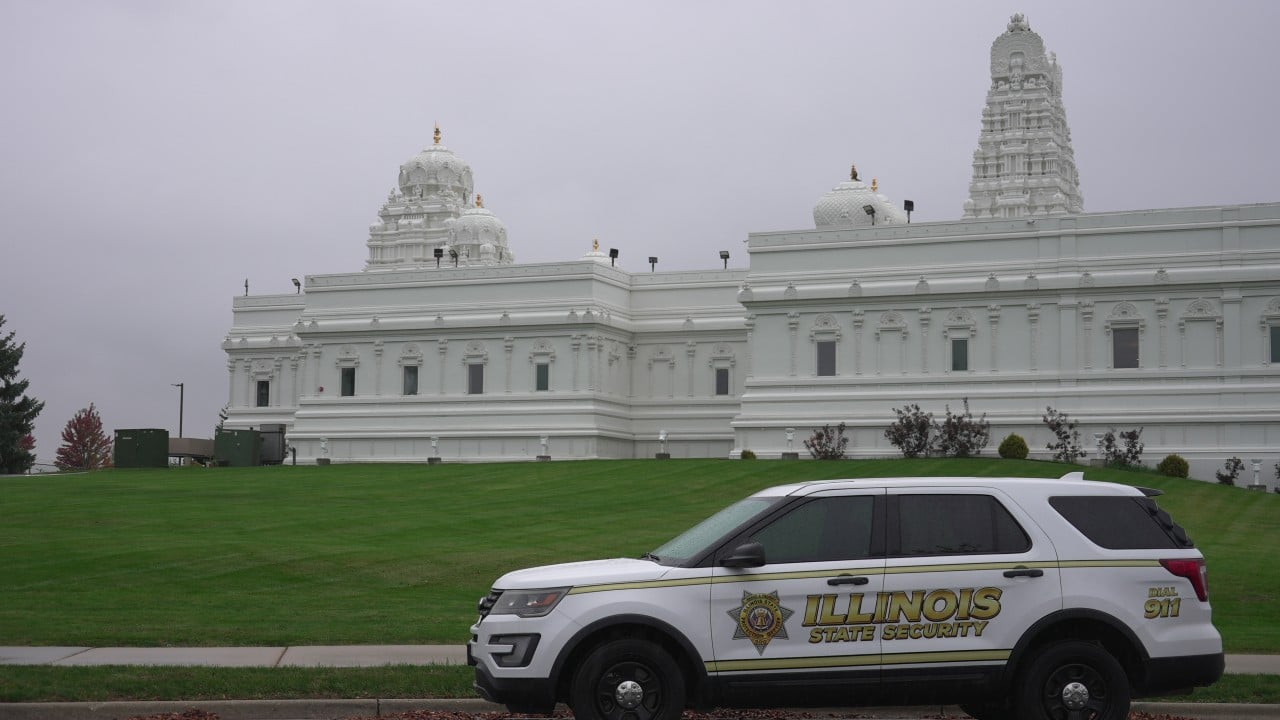
A jammed rifle stopped a tragedy on October 11, 2026, when a 19-year-old suspect allegedly arrived at a Hindu temple in suburban Aurora, Illinois. The mass shooting plot targeting a US Hindu temple has since pulled back the curtain on two years of alleged planning, an eight-page extremist manifesto, and a grand jury indictment loaded with terrorism counts.
When a gun malfunctions at the exact moment someone tries to take lives, it feels like pure luck. Still, luck only got the community halfway home. A Taco Bell coworker's quick call to police after receiving alarming messages and tactical photos is what actually got Alexandros Paporakis off the street before he could try again.
How the Alleged Hindu Temple Attack Unfolded
October 11 wasn't a random date on the calendar. Prosecutors and police say it marked the opening day of Navaratri, a major Hindu festival that draws families and worshippers together. Investigators believe Paporakis, a Palatine resident working as a Taco Bell cashier, had been nursing this plan for roughly two years.
Surveillance footage reportedly captured a red Acura RDX sitting in the temple parking area near Aurora for about 13 minutes that day. Authorities allege Paporakis showed up armed with a modified AR-style rifle with a barrel under 16 inches, 300 rounds of ammunition, tactical armor, gasoline cans, and swastikas, intending to kill a large number of people of Indian descent.
Instead of gunfire, the rifle jammed. According to investigators, he bolted from the scene without being spotted. Back home, he allegedly looked up how to clear a jammed firearm online and reached out to a colleague, sharing his intent to carry out a mass shooting and sending photos of tactical gear alongside an eight-page manifesto titled Why I Fought: A.K.A. (Aurora Shooter's Manifesto).
Palatine and Mount Prospect police moved fast and arrested him as he was leaving his residence that afternoon. A search turned up the rifle, ammunition, body armor, and a white supremacist patch. A Cook County grand jury later indicted Paporakis on 27 additional charges, including six counts of terrorism and ten counts of making a terrorist threat. His defense attorney, Fedor Kozlov, stated he plans to plead not guilty and filed a motion for a speedy trial, with allegations still untested in court.
Why Coworker Tips Matter More Than Slogans
Law enforcement leaders and community groups love to talk about vigilance, yet most people freeze when a colleague starts acting strangely. Honestly, that's the biggest mistake folks make when confronted with warning signs. You talk yourself out of calling because you don't want to ruin someone's life over a "bad joke" or an edgy phase.
Here, the coworker didn't wait around to see if Paporakis was bluffing. Once photos of weapons and extremist writing show up, hesitation is dangerous. In my experience covering community safety and threat response, bystander reporting is one of the few reliable speed bumps before an attack reaches a crowd—far more dependable than hoping a weapon jams on its own.
Palatine Police Chief William Nord noted that detectives did not find an ongoing public threat tied to the incident after the arrest, while stressing how serious the alleged plot was. FBI Chicago's acting head, Lucas Rothar, framed the case around protecting constitutional rights and stopping intimidation aimed at people practicing their faith.
What the Data Shows About Anti-Hindu and Anti-South Asian Hate
If you treat this case as an isolated fluke, you're missing the broader picture. FBI data cited in reporting on the case shows reported anti-Hindu hate crimes rose from 25 in 2024 to 32 in 2025. Meanwhile, human rights advocates and researchers tracking online hostility have pointed to surging anti-South Asian rhetoric, a rise in white supremacist messaging, and sharp spikes in online hate speech.
Let's be real, though: hate crime numbers are notoriously messy. Underreporting happens all the time because victims worry nothing will change, fear retaliation, or aren't sure how an incident will be classified. On the flip side, spikes in online slurs don't automatically translate into physical violence for every user who posts them.
That tension explains why advocates and lawmakers are pushing so hard right now. U.S. Rep. Raja Krishnamoorthi and South Asian community leaders have urged authorities to pursue federal hate crime charges, while organizations such as the Hindu American Foundation, the Hindu Mandir Empowerment Council, and the Coalition of Hindus of North America have called for stronger protections and vigilance. No federal hate crime indictments had been announced as of mid-November 2026 while local prosecutors and the FBI continued their work.
Practical Steps for Temples and Everyday Bystanders
Good intentions don't keep a parking lot or prayer hall safe during a crowded festival. A few practical habits make a real difference without turning a place of worship into a fortress.
- Treat alarming messages as urgent, not awkward. If a coworker, classmate, or acquaintance shares weapon photos, violent fantasies, or extremist manifestos, step away from the chat and contact local police or the FBI immediately.
- Audit festival entry and parking routines. Major holidays like Navaratri bring unfamiliar faces and heavy traffic. Coordinate clear sightlines, dedicated volunteer observers, and direct communication channels with local police ahead of peak hours.
- Document every slurs-and-threats incident. Encourage members to save screenshots, license plate details, and timestamps, and report bias incidents to both local law enforcement and civil rights or community organizations so patterns aren't lost.
- Run short, calm drills with staff and volunteers. You don't need dramatic fear-mongering to practice locking doors, calling 911 quickly, and guiding visitors toward safe exits.
A jammed trigger gave one suburban congregation a second chance, not a permanent shield. Real protection starts when neighbors speak up early and communities prepare before a crisis hits.