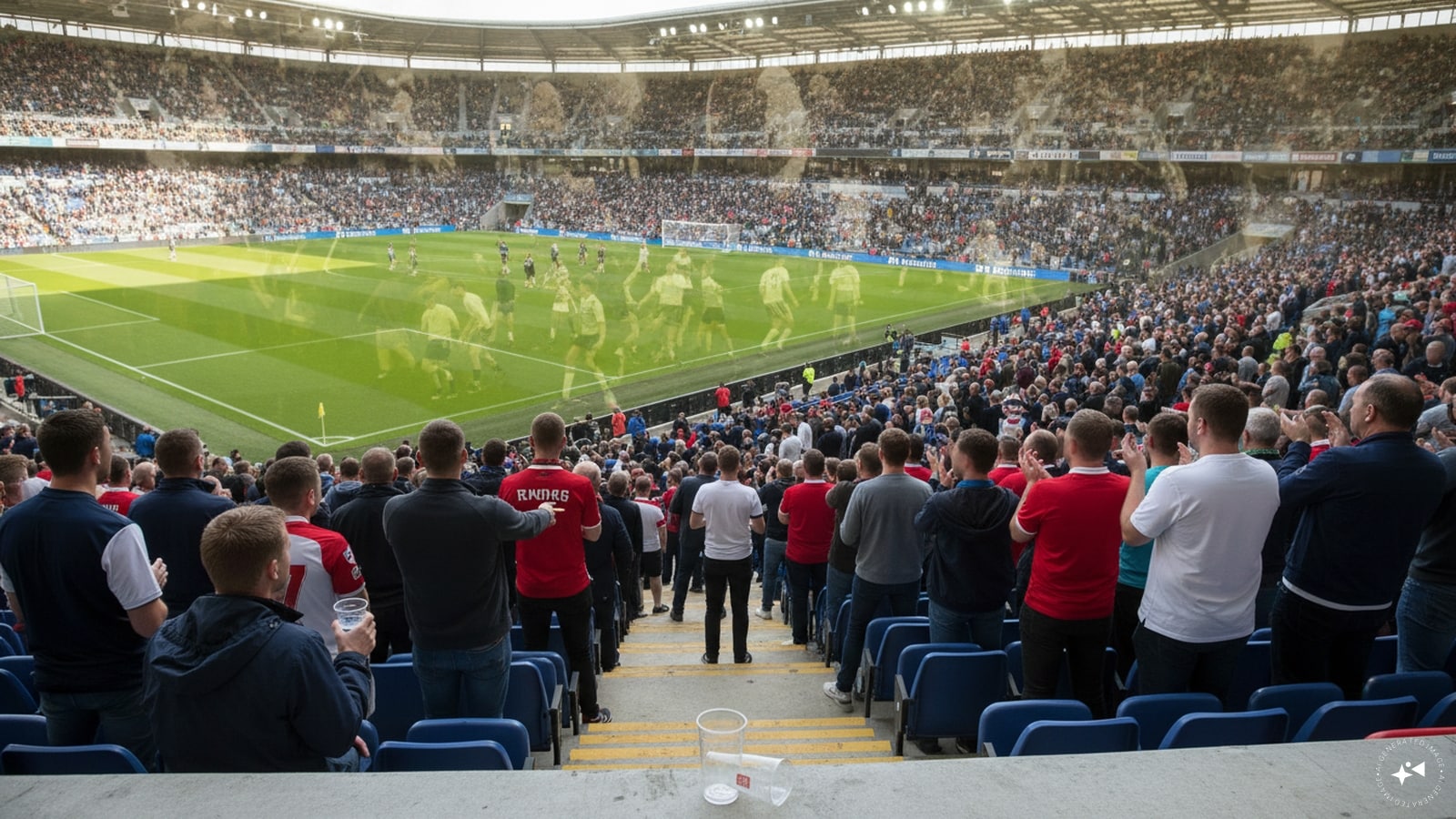
The sports media industrial complex loves a clean narrative. A player comes forward with a trauma narrative, the headlines scream for solidarity, the executives issue standard corporate press releases condemning abuse, and within forty-eight hours, everyone goes back to counting broadcast revenue. Andy Carroll revealing that he was sexually assaulted in 2021 during a stag do in Dubai is treated as an isolated shock to the system, an aberration in an otherwise healthy sporting culture.
That framing is a lie.
The shock is not that a professional footballer was assaulted. The shock is that anyone expects a multi-billion-dollar athletic machine designed to crush vulnerability to handle trauma with anything other than institutional self-preservation. When a high-profile athlete speaks out about sexual violence, the reaction from the industry follows a predictable algorithmic decay: initial panic, calculated PR management, and a swift return to the status quo. We treat these disclosures as moral awakenings while ignoring the structural architecture of locker rooms that makes silence a survival mechanism.
Football culture is built on a foundational myth of hyper-masculinity and emotional armor. From academy days, boys are taught that pain is currency, that endurance is virtue, and that any crack in the facade is an invitation for exploitation by fans, rivals, and management. When an athlete experiences trauma outside the lines, that armor does not protect them; it suffocates them. The delay between the assault in 2021 and the public disclosure years later is not an anomaly. It is the exact timeline required for an individual to realize that the institution they serve will view their victimization as a liability rather than a tragedy.
Look at how the ecosystem responds to distress. If a player breaks a metatarsal, they get a medical team, a rehabilitation schedule, and public sympathy. If a player breaks psychologically or suffers a violation of bodily autonomy, they enter a shadow economy of private fixers, club lawyers, and career calculus. The primary objective of the modern football club is asset protection. A player with an unresolved trauma narrative is a volatile asset. The system does not fail to protect victims out of sheer incompetence. It fails because protection requires accountability, and accountability disrupts the product.
We need to dismantle the illusion that awareness campaigns and sensitivity workshops change the underlying incentives of professional sports. Modern clubs operate like multinational corporations where brand equity supersedes human welfare. When Carroll spoke about being groped and humiliated, the immediate reaction from casual observers focused on the absurdity of the incident or the environment of a stag do. That misses the forest for the trees. The environment was hyper-masculine, intoxicated, and lawless, yes—but those are the exact conditions that elite sport implicitly normalizes as bonding rituals until a line is crossed so publicly that it cannot be ignored.
The public demands contrition from the abusers, but we rarely interrogate the ecosystem that breeds impunity. Locker rooms are insular cultures governed by omertá. To speak up is to betray the group. To seek justice is to invite scrutiny that can derail a career faster than a torn ACL. When an athlete steps forward years after the fact, they are not just fighting their assailant; they are waging a guerrilla war against an entire industry that prefers its stars silent, compliant, and marketable.
Consider the economic incentives at play. A club's valuation depends on stability, sponsorship appeal, and player performance. A scandal introduces friction. Friction costs money. Therefore, the institutional reflex is containment. If you have spent a decade inside elite sports environments, you recognize the quiet machinery of suppression immediately. It looks like PR teams handling damage control before police reports are even filed. It looks like teammates advising quiet compliance because "the club will look after you." Except the club looks after the balance sheet first, the manager second, and the player only if doing so aligns with public relations imperatives.
Andy Carroll’s revelation should force a reckoning, but it won't. The news cycle will chew it up, repurpose it for clickbait analysis, and move on to the weekend fixtures. The machinery is too efficient at absorbing shocks. Until athletes are given independent representation outside the financial orbit of their clubs—legal and psychological safety nets completely divorced from club ownership—every statement of support from governing bodies remains empty corporate PR.
Stop pretending that a sensitivity training seminar or a helpline number on a stadium wall solves a systemic crisis of power. Power in football flows downward from oligarch owners and broadcast executives, through managers and agents, crashing down onto players who are treated as depreciating assets with legs. When you build an industry that commodifies the physical body to an extreme degree, you create an environment where bodily boundaries become negotiable.
Andy Carroll broke the silence, but the silence was never accidental. It was engineered. Until we are willing to break the economic and social structures that reward institutional secrecy, every headline about a player's trauma is just another performance staged for an audience that refuses to look in the mirror.