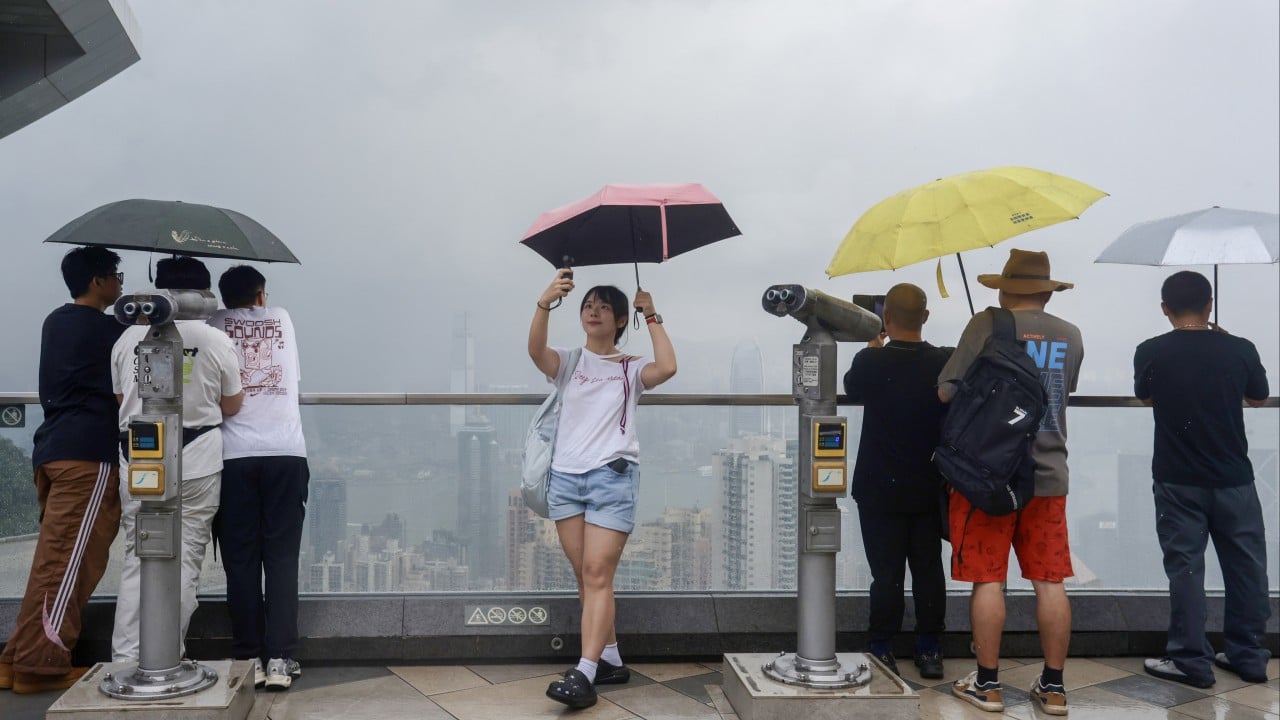
The air inside the terminal smells of damp wool and roasted chestnuts. Outside, a fine autumn mist clings to the harbor, blurring the steel skeletons of skyscrapers into soft charcoal smudges. Inside, the sound is staggering. It is not the dull roar of a crowd, but a sharp, percussion-heavy clatter. Thousands of leather soles, rubber sneakers, and high heels striking polished granite all at once.
Step. Pause. Shuffle. Repeat.
Across Victoria Harbour, the storefronts glow with the amber and chrome of global luxury brands. Gold leaf lettering catches the fluorescent glare of atrium ceilings. For months, the retail corridors had worn a quiet, anxious dignity. Store associates stood at attention behind empty counters, folding cashmere sweaters that nobody touched, checking their watches, watching the dust motes drift through shafts of afternoon light.
Then came October.
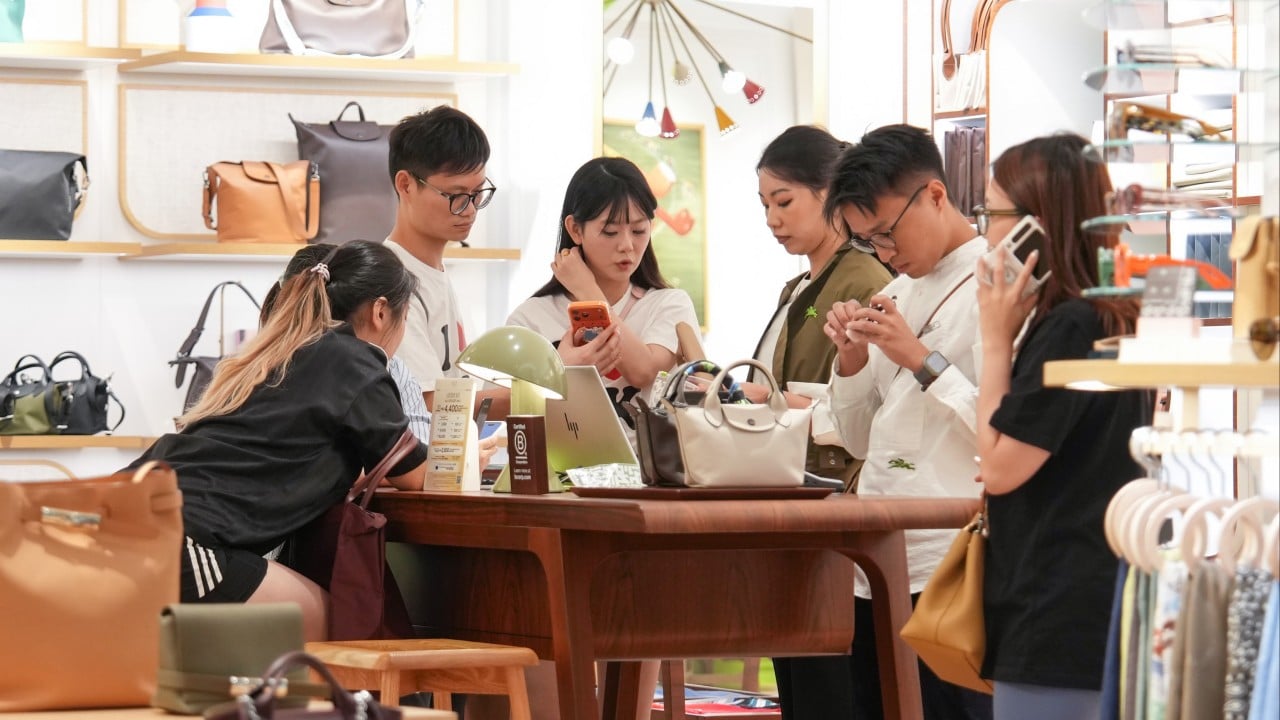
To look at a spreadsheet is to miss the human weight of it. A percentage increase on a quarterly earnings report feels weightless, like a cloud viewed from an airplane window. But walk the concourse of a Tsim Sha Tsui shopping center during the National Day Golden Week, and weight becomes the dominant physical sensation. You are swept along in a current of families, tour groups, and solo travelers rolling empty suitcases designed to return heavy.
Consider Mei, a fictionalized composite of countless young professionals visiting from Shenzhen. She stands before a window display showcasing designer handbags that cost more than two months of her rent. Her breath fogs the exterior glass for a split second before the air conditioning strips it away. She adjusts the strap of her canvas tote, shifts her weight from one tired foot to the other, and pulls out her phone. She is not just shopping. She is participating in a ritual of return.
For three years, the borders were defined by barriers, green health codes, QR checkpoints, and the heavy psychological friction of separation. Cities that once served as weekend backyards for millions felt distant, almost mythical. When restrictions lifted, the initial wave was cautious—a trickle of curious explorers testing the waters.
Now, the floodgates are wide.
The statistics tell one story. Millions of border crossings in a matter of days. Hotel occupancy rates climbing back toward pre-pandemic peaks. Queues forming outside Michelin-rated dumpling houses that snake down stairwells and spill out onto narrow sidewalks.
The emotional story is entirely different. It is about relief. It is about the simple, profound human hunger to move freely across space, to spend hard-earned money in physical places rather than behind the glowing rectangle of a smartphone screen.
Retailers learned hard lessons during the quiet years. E-commerce proved efficient, clinical, and utterly devoid of texture. You can click a button to buy a watch strap in Beijing, but you cannot smell the roasted egg waffles from a Mong Kok street cart while you wait for the receipt. You cannot hear the linguistic clash of Cantonese and Mandarin echoing off terrazzo pillars. Commerce, at its core, is a social act. It requires bodies in rooms, eye contact across glass counters, and the shared, kinetic energy of a crowd moving toward a destination.
As the afternoon sun dips behind the hills of Hong Kong Island, the light inside the malls shifts from daylight to theatrical amber. The escalators hum continuously, carrying upward streams of shoppers clutching shopping bags adorned with minimalist logos.
Down on the lower level, an elderly man rests his back against a concrete pillar, holding a small paper cup of milk tea. His wife sits beside him on a low stone planter, sorting through receipts, tucking each one neatly into a leather wallet with methodical care. They are tired. Their feet ache. They have walked miles today, zig-zagging through labyrinthine corridors of commerce, tasting a city that feels both familiar and newly rediscovered.
They did not come here merely to acquire goods. They came to test the boundaries of their own world again, to prove that distance can be bridged by a train ride and a passport scan.
The crowd surges forward, a living, breathing organism of commerce and motion, sweeping past the glass storefronts and out into the cooling evening air.