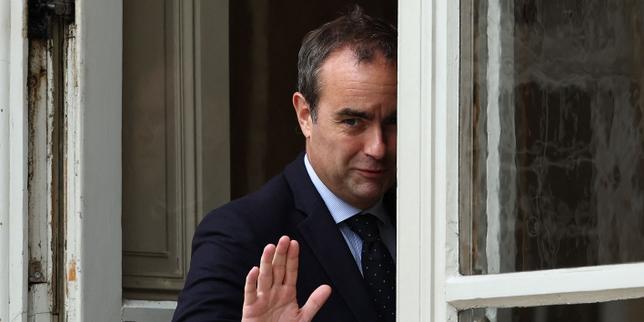
The race for the Elysée Palace hasn't officially kicked off, but the battle lines are already being drawn in places most voters never see. Sébastien Lecornu is stepping directly into the spotlight next week. The Prime Minister is holding a highly anticipated press conference specifically focused on foreign interference and its threats to the upcoming 2027 presidential election.
This isn't just another routine government briefing. It's a calculated political maneuver and a stark warning to outside powers trying to destabilize French democracy.
The timing tells you everything. With the country heading toward a massive political showdown in 2027, the internal and external pressures on France are reaching a boiling point. By grabbing the narrative now, Lecornu wants to show that his government is actively defending the voting booth before the first ballots are even printed.
The Silent War on French Sovereignty
When we talk about foreign interference, it's easy to think of spy movies or classic espionage. The reality in 2026 is much more mundane, psychological, and dangerous. We're looking at sophisticated disinformation campaigns designed to pit citizens against each other, targeted cyberattacks on critical public infrastructure, and mysterious financial backing for extremist political movements.
France has been a prime target for years. Think back to the "Macron Leaks" back in 2017, or the weird, coordinated social media campaigns during recent civil unrest. Moscow, Beijing, and Baku have all been accused by intelligence agencies of poking at the fault lines of French society.
Lecornu's upcoming press conference will likely lay out specific, recent threats that state agencies like Viginum—the national watchdog for digital foreign interference—have caught in the wild. The goal isn't just to inform. It's to build a psychological shield around the electorate.
Politics by Other Means
Let's look at the elephant in the room. Lecornu isn't just the Prime Minister managing state security; he's a central figure in the conversation about who will lead the political center in 2027. Some political insiders are already betting on his ambitions, even if Matignon publicly downplays them.
By leading the charge on national sovereignty, Lecornu accomplishes two things at once:
- He positions himself as the ultimate protector of the Republic, a serious leader dealing with existential threats while other candidates argue about local budgets.
- He puts opposition parties on the defensive, forcing everyone to clarify where they stand on foreign funding and alignment with authoritarian regimes.
It's a classic power play. It changes the conversation from domestic economic complaints to national survival.
What to Watch Next Week
When Lecornu takes the podium, don't just listen to the prepared statements. Watch for the operational details. An effective strategy against these threats requires concrete action, not just political speeches.
Keep an eye out for updates on how France plans to secure the digital voting systems used by citizens living abroad. Look for stricter transparency rules on how political campaigns are financed online, especially regarding targeted ads. We should also expect tougher penalties for platforms that refuse to cooperate with French intelligence when disinformation networks are uncovered.
If you want to track how this affects the 2027 campaign, start monitoring how the major political parties react to Lecornu's announcements next week. The groups that stay quiet or try to minimize the threat of foreign interference will tell you exactly what you need to know about the changing political landscape.