The fragile calm that settled over northern Ethiopia after the 2022 Pretoria Agreement has shattered. For months, families who survived one of the century's bloodiest conflicts have watched hopes of rebuilding evaporate as the specter of all-out war returns to Tigray. If you have been following the Horn of Africa, you know that peace deals signed on paper mean very little when the underlying political grievances remain completely unaddressed.
The Breakdown of the Pretoria Framework
When the Tigray People's Liberation Front and the federal government in Addis Ababa agreed to halt hostilities, millions breathed a sigh of relief. But the fundamental structural issues were never truly fixed. Power struggles, delayed regional elections, and disputes over disputed territories created a ticking clock. Read more on a similar issue: this related article.
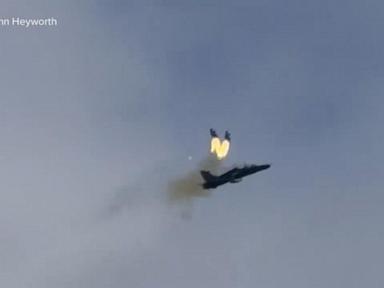
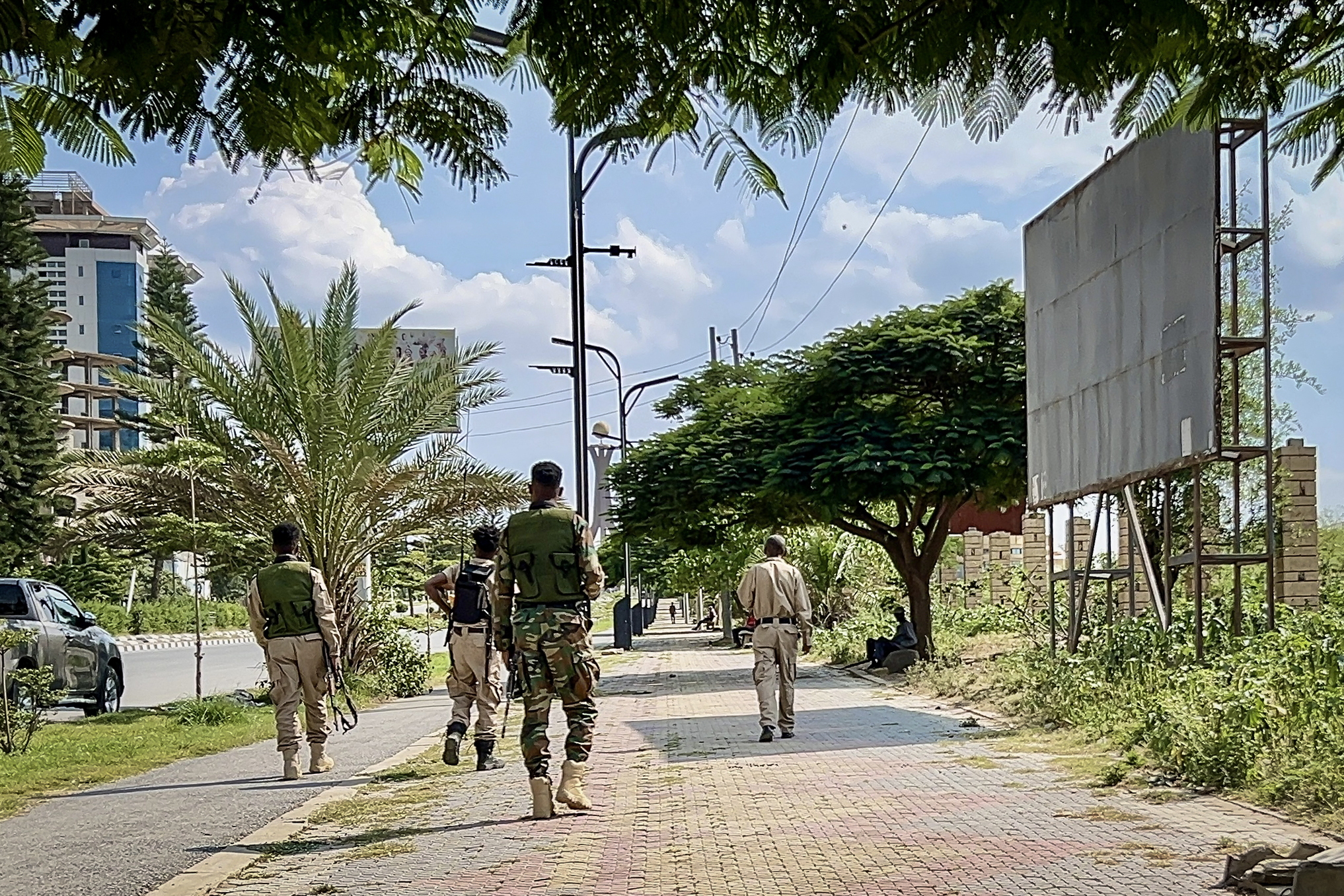
The situation deteriorated rapidly as military escalations flared up. Clashes erupted, key regional airports were seized, and federal drone strikes returned to the skies over Tigray. When armed factions mobilize and federal forces respond with heavy artillery, the civilian population pays the highest price.
Most people miss the internal friction tearing Tigray apart from the inside. It is not just a binary fight between Addis Ababa and Mekelle. Disillusioned former fighters and emerging political factions have formed alternative groups, arguing that the old political elite does not represent the future. Forced recruitment drives and crackdowns on dissent have left ordinary citizens trapped between warring factions once again. More journalism by BBC News highlights comparable views on this issue.
Humanitarian Toll and the Crisis of Displacement
Behind the geopolitical headlines are human beings whose lives remain completely on hold. Hundreds of thousands of displaced families cannot return to their homes because their towns remain unsafe or entirely destroyed.
Healthcare infrastructure, which barely recovered from the initial years of devastation, faces severe shortages of medicine and basic supplies. When clinics run out of essential treatments, preventable ailments become life-threatening emergencies.
Young people who abandoned their university studies to fight in the initial 2020 conflict are now staring down the barrel of a second round of mobilization. They don't want to pick up rifles again; they want to find jobs, finish their education, and live normal lives. Instead, they are caught in a cycle of institutional failure and renewed violence.
Regional Spillover Risks
This is no longer just an internal Ethiopian crisis. The instability threatens to drag neighboring countries into the abyss. Relations between Ethiopia and Eritrea have deteriorated sharply once more, with diplomatic ties severed and mutual accusations flying over border incursions.
At the same time, regional dynamics involving Sudan and external powers like Egypt add gasoline to an already volatile fire. When domestic conflicts intersect with regional proxy rivalries, containment becomes nearly impossible. International monitors and human rights organizations have repeatedly warned that the collapse of the peace framework could destabilize the entire Horn of Africa.
Solving this crisis requires more than temporary ceasefires or military offensives that only breed the next generation of grievances. True stability demands inclusive political dialogue that respects local populations and addresses the root causes of ethnic federal tensions. Until leaders prioritize civilian protection over political dominance, the threat of war will loom over Tigray.