French high schools are heading into the new school year completely unprepared, and the government simply doesn't care.
President Emmanuel Macron wants smartphones out of classrooms. Following years of restrictions in primary and middle schools, the policy is expanding to high schools as part of a broad pushback against youth screen addiction. Government spokesperson Maud Bregeon confirmed that Macron has officially signed off on the text.
The legal framework exists. The political will is absolute. But on the ground, headmasters and principals are staring down an organizational nightmare because they have zero time to adjust.
The Logistical Nightmare of a September Rollout
Schools reopen in days, yet institutions are expected to suddenly enforce a complete ban without changing their official internal regulations. François Resnais, national secretary of the SNPDEN-UNSA school leadership union, didn't mince words when talking to reporters. He called the timing terrible, pointing out that schools simply are not ready.
To legally ban phones, individual high schools have to update their internal rules through formal boards and councils. Doing that over summer break while campuses are empty is impossible.
Paris expects compliance immediately, but local authorities haven't provided the necessary infrastructure. Where do teenagers put hundreds of expensive devices all day?
- Secure lockers cost money.
- Anti-radiation pouches require funding.
- Regional councils have barely started supporting voluntary pilot programs.
Without hardware or updated rulebooks, enforcement will vary wildly from one town to the next.
Why the Push for a Phone-Free High School Exists
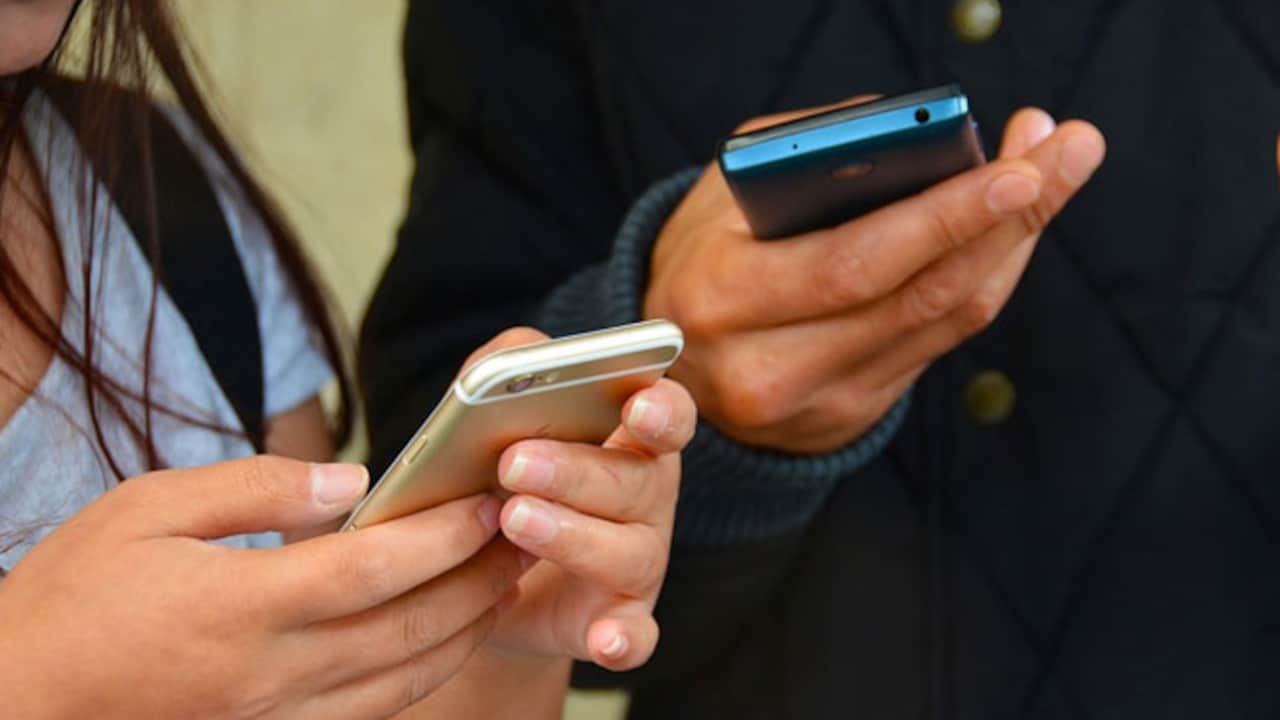
The political urgency comes from a mounting panic over youth mental health and plummeting attention spans. French health data shows that roughly half of all teenagers spend two to five hours a day glued to smartphone screens. Lawmakers argue that constant notifications destroy academic focus and fuel anxiety.
Middle schools already proved that physical separation changes student behavior. Kids talk to each other during breaks instead of staring at glowing panes of glass.
Yet transitioning adolescents aged fifteen to eighteen is entirely different from managing eleven-year-olds. High schoolers treat total bans as challenges to bypass. Punishments ranging from simple device confiscation to formal disciplinary hearings now fall squarely onto exhausted teachers and administrators who already have enough on their plates.
A Jagged Legislative Path
This messy rollout follows a major legal setback for the administration. Earlier in August, France's Constitutional Council struck down the government's flagship proposal to ban social media access for anyone under fifteen, ruling it an infringement on free expression.
While the high school phone ban survived that judicial chop because it was treated as a separate provision, the whole digital policy package feels rushed and bruised. Prime Minister Sébastien Lecornu has been tasked with redrafting the social media restrictions by next spring, leaving the phone ban to act as the sole frontline defense for now.
Implementation will be messy, fragmented, and heavily dependent on whether local principals decide to look the other way while scrambling to catch up.