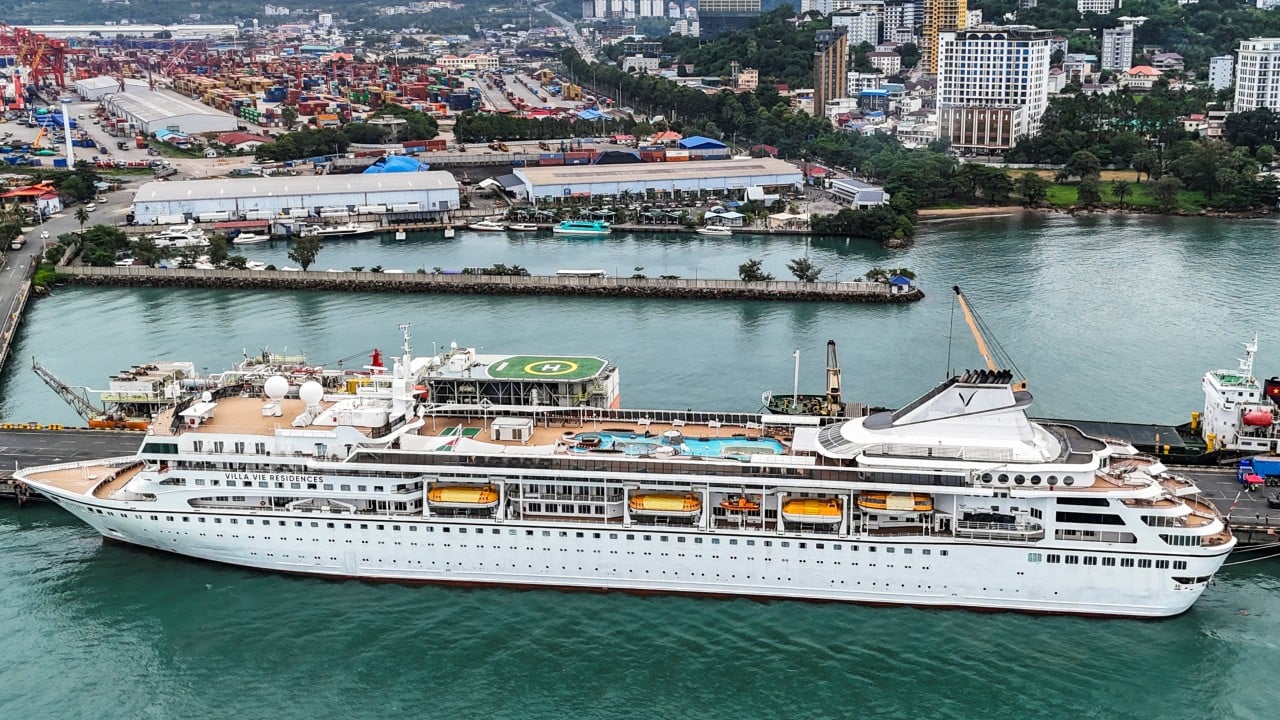
When a cruise ship suspends a global voyage in a port like Cambodia and hundreds of passengers disembark mid-itinerary, rising fuel prices are rarely the whole story. Bunker fuel costs expose fragile cash flow, thin operating margins, and rigid contract terms across long-haul maritime travel.
Passengers watching suitcases line up on a pier in Sihanoukville or another regional stop often assume an operator simply ran out of cash for diesel. Maritime economics does not work quite that cleanly. A global cruise itinerary stretches across months, ties up capital across multiple jurisdictions, and commits a vessel to tight port slots, crew rotations, and provisioning schedules months before the first embarkation whistle blows. When marine fuel spikes unexpectedly, the shock hits a balance sheet already stretched by fixed overhead. You might also find this connected article insightful: Why Hong Kong Prioritises Public Transport at Huanggang Port Over Halloween Weekend.
How Bunker Fuel Turns Thin Margins Into Operational Paralysis
Commercial ships run on heavy marine fuel oil or marine gas oil rather than pump gasoline. Unlike an airline that can adjust flight paths daily or a trucking fleet that can park half its rigs for a week, an ocean liner burning tens of metric tons of fuel per day faces immediate, non-negotiable cash burn whenever its engines run or its hotel systems hum at berth.
Operators manage this volatility through fuel surcharges, hedging contracts, and voyage charters. None of those tools offers complete immunity. A fuel surcharge written into passenger terms may be capped, legally contested in certain consumer jurisdictions, or too slow to recover spot price jumps on a multi-month round-the-world sailing. Hedging works when a carrier has enough scale, creditworthiness, and counterparty access to lock in forward prices. Smaller operators or chartered vessels frequently buy fuel closer to the spot market, leaving them exposed when regional supply tightens or geopolitical disruptions push crude and refined marine distillates higher. As reported in latest reports by Condé Nast Traveler, the results are notable.
Fuel is also a cash-upfront expense in ports along the route. Bunkering requires liquidity right now. If fuel invoices jump by thirty or fifty percent mid-voyage, a tight treasury has to make a brutal choice: pay the bunker barge to keep moving toward distant ports, or halt the long-range leg before funds run dry.
Consider a hypothetical example of a mid-sized operator running a ninety-day global itinerary with moderate occupancy. Suppose the company budgeted bunker fuel at a steady baseline and lacked deep forward hedges. A sharp jump in fuel prices adds hundreds of thousands of dollars in unbudgeted operating cost across the remaining legs. Port fees, crew wages, insurance, and provisions still come due on schedule. Suspending the remainder of the global voyage in a country like Cambodia stops the longest, thirstiest open-ocean segments before cash reserves evaporate.
Why Cambodia Becomes a Practical Stopping Point
Ports in Southeast Asia sit along major shipping corridors, yet a suspension there usually reflects timing, logistics, and cost control rather than any flaw in the host country itself.
When a cruise ship suspends a global voyage in Cambodia, several practical factors align. A long-haul route moving between Asia, the Middle East, Europe, or the Americas faces massive fuel burn on trans-oceanic crossings and extended repositioning legs. Halting a global circuit in Southeast Asia cuts off high-burn legs while keeping passengers in a region with international airport connections, established hospitality infrastructure, and relatively accessible consular and travel support.
Port economics plays a role too. Berthing dues, pilotage, tug services, agency fees, and local provisioning costs vary widely around the world. An operator trying to preserve cash needs a port that can handle passenger disembarkation cleanly without trapping the ship in exorbitant daily demurrage or complex customs bottlenecks.
There is also a commercial reality many travelers overlook. Around-the-world cruises are often sold in segments. Some guests book the entire global arc, while others buy shorter regional legs. When a carrier suspends the broader global continuation, it is often severing a long, fuel-heavy tail of the itinerary that no longer pencil out financially.
What Happens When Hundreds of Passengers Disembark Early
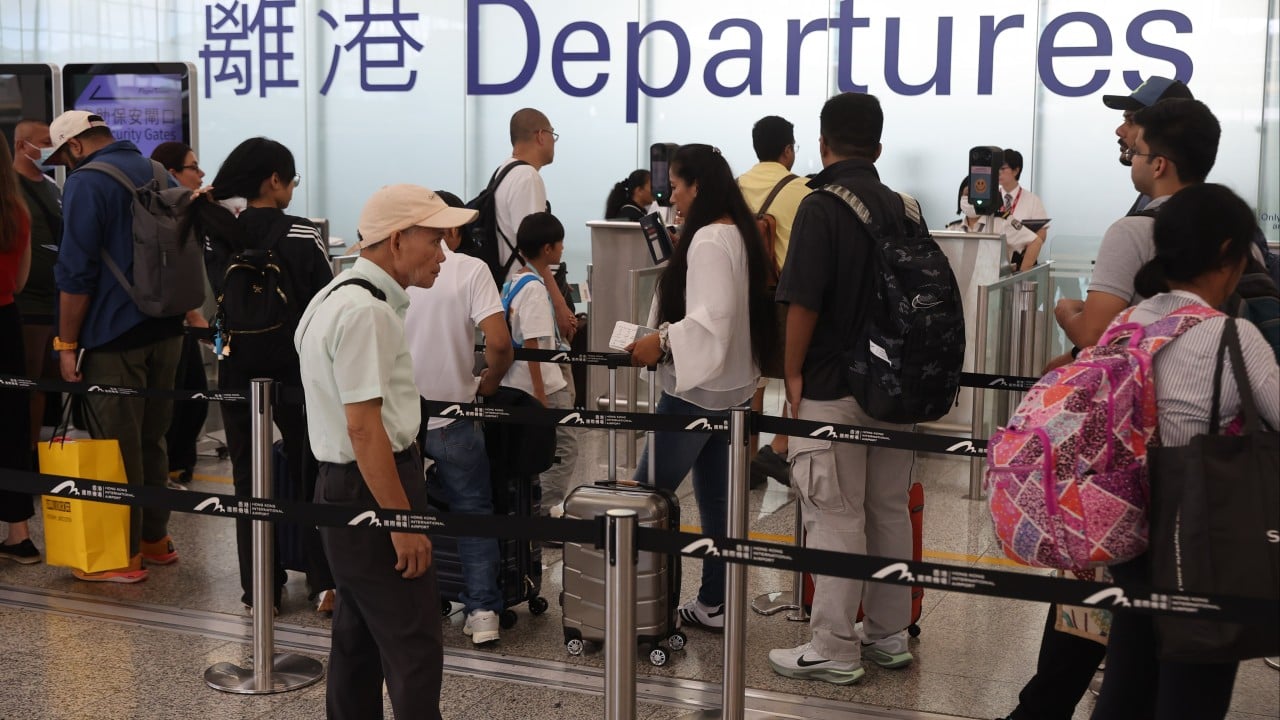
For travelers standing on the dock with luggage tags in hand, accounting spreadsheets mean very little. The immediate shock is logistical and emotional.
A global cruise is a planned life event. Retirees sell leases, sublet homes, pause medications with physician guidance, and clear months from their calendars. Having that journey cut short hundreds or thousands of miles from home turns a dream trip into a sudden repatriation puzzle.
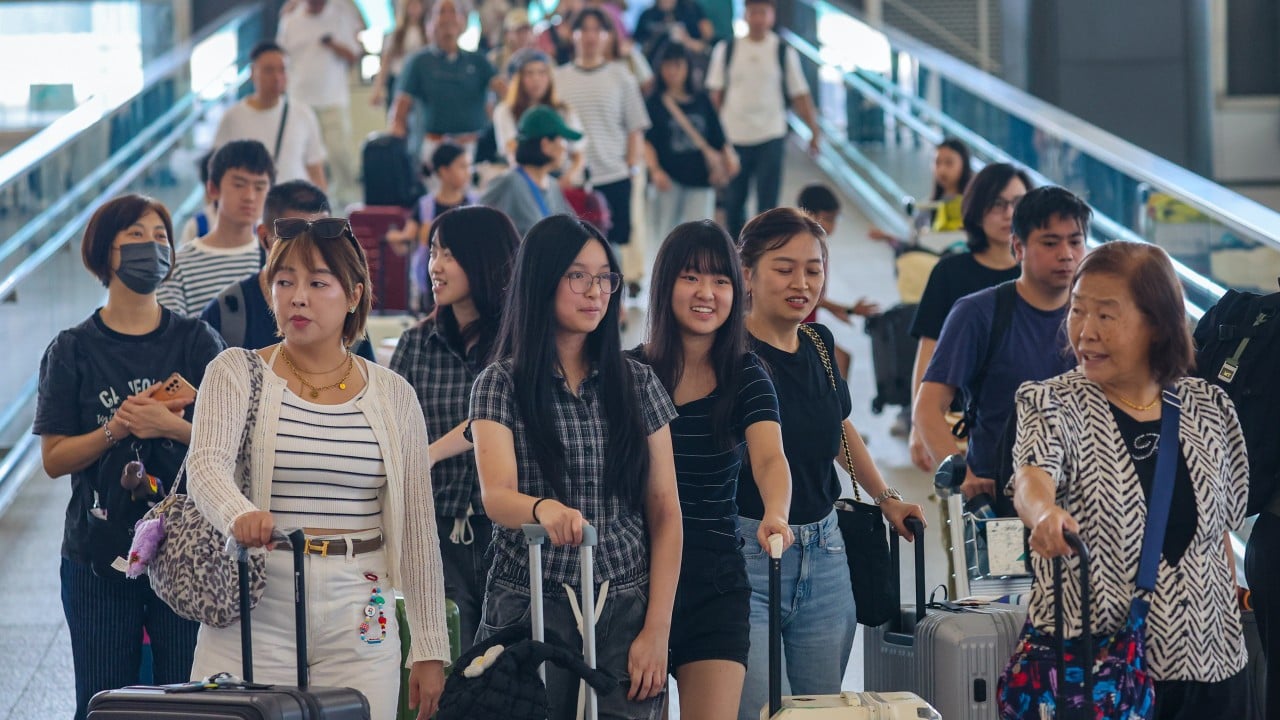
Disembarking hundreds of people at once strains commercial aviation capacity out of nearby hubs. Last-minute one-way airfares across continents are expensive and sometimes scarce during peak travel seasons. Hotels near the port fill quickly if flights require overnight connections. Travelers with mobility limits, medical equipment, or travel insurance exclusions face added friction trying to piece together alternative routes home.
Refunds and credits rarely solve the immediate sting. Even when an operator promises pro-rated refunds for unused days or future cruise credits, cash tied up in disputes or vouchers does not pay for today's plane ticket or extra hotel night. Under maritime and consumer law, passenger rights depend heavily on where the ticket was sold, which flag the vessel flies, how the contract defines force majeure or operational suspension, and whether the carrier remains solvent enough to honor payouts.
The Hidden Fragility of Charter and Niche Voyages
Not every global cruise is run by a giant publicly traded cruise line with billions in liquidity and diversified fleets. Many long-haul or specialty voyages operate through ship charters, small boutique operators, or newly formed tour ventures.
In a charter arrangement, one company owns or manages the vessel and crew, while another company markets the cruise and collects passenger fares. That split creates friction under stress. Fuel bills, charter hire payments, port charges, and ticket refunds sit in different buckets. If ticket sales fell short of projections or deposits were already spent on marketing and upfront port commitments, a sudden spike in fuel prices can push a thin operation past the breaking point.
Smaller vessels also have less wiggle room on fuel efficiency. Older hulls, less efficient propulsion plants, and smaller fuel tank capacities mean more frequent refueling stops and higher fuel cost per passenger-day. A mega-ship spreads fixed and variable costs across thousands of berths. A smaller ship spreads those same fuel shocks across a few hundred guests.
What Travelers and Industry Watchers Miss
Coverage of a sudden voyage suspension usually focuses on dramatic dockside scenes and angry social media posts. The deeper story is about how modern long-distance travel prices risk.
For years, travelers grew accustomed to predictable fares and smooth itineraries. Behind the scenes, maritime logistics remained exposed to commodity swings, war-risk premiums, canal bottlenecks, and port congestion. Fuel is not just an energy input; it is a stress test on the entire business model.
There is a gray area in assigning blame when a voyage stops mid-stream. A fuel price surge is an external market shock, not a mechanical failure or a navigation error. Yet a well-capitalized operator with disciplined hedging and conservative cash reserves absorbs shocks that force a leaner operator to pull the plug. Calling a suspension purely "bad management" ignores real commodity volatility, while calling it "unavoidable" excuses poor risk planning.
Consumer protections also lag behind modern multi-leg travel. Flight passengers have established statutory frameworks in several regions for delays and cancellations, though enforcement still varies. Cruise passengers often navigate dense contract terms where operators reserve broad discretion to alter routes, skip ports, or suspend sailings when operating conditions change. Travel insurance helps with certain disruptions, yet policies vary wildly on financial default, itinerary suspension, and non-refundable pre-booked arrangements outside the cruise line's control.
Practical Checks Before Booking Long-Haul Cruises
Anyone planning an extended ocean voyage—especially a multi-month global route or a smaller-ship charter—can protect themselves better by looking past glossy brochures.
- Check who actually operates the ship. Distinguish between a major established line and a chartering tour operator or startup brand, and look at how long the operator has run similar long-haul routes.
- Read the cancellation and suspension clauses. Look closely at how the contract handles itinerary changes, early termination, refunds versus credits, and repatriation assistance.
- Verify insurance coverage for trip interruption and insolvency. Standard medical policies do not cover stranded logistics or operator cash crunches, and some policies exclude specific financial triggers.
- Keep a flexible cash buffer for flights. Long-range sailings sometimes end earlier or elsewhere than planned, and having liquid funds ready for last-minute airfare reduces panic at the pier.
When a cruise ship suspends a global voyage in Cambodia over fuel prices, the real lesson is how quickly rising operating costs can turn a leisurely ocean crossing into a high-stakes logistics scramble for hundreds of people at once.